Whilst there is plenty to love about the summer months, there are also several downsides that make me resent spending more time in my swimming costume. Namely, contending with ingrown hairs and KP bumps, alongside being much sweatier than usual. However, glycolic acid has quickly become the hero multi-use product to tackle almost every summer skin woe you could think of.
"Glycolic acid is an alpha hydroxy acid (AHA) derived from sugar cane," explains Dr Nora Jaafar, Dermatological doctor. "It exfoliates by dissolving the bonds between dead skin cells, helping to improve skin texture, brightness and overall smoothness."
By gently chemically exfoliating, it directly targets the causes of keratosis pilaris, prevents ingrown hairs, and can even lower the skin's pH which can stop odour-causing bacteria growing. Here's what the experts want you to know about using glycolic acid this summer, and how to do so safely.
Why is glycolic acid so popular?
"It's one of the most effective ingredients for improving skin texture, smoothing rough patches and giving the skin a brighter, healthier appearance," explains Dr Anna Andrienko, Dermatologist & Aesthetic Doctor at Dr Ducu Clinics. This, coupled with its gentle formula, make it a brilliant multi-tasker that can suit most skin types.
Is glycolic acid good for dry, rough skin?
"Glycolic acid is excellent for areas like the elbows, knees and heels where dead skin can build up," says Dr Andrienko. "By gently exfoliating the surface, it helps smooth roughness and allows moisturisers to penetrate more effectively."
But it's important not to go overboard with it, particularly if it's new to your routine. "Overuse can worsen dryness, so it should always be paired with a good moisturiser," says Dr Nora.
Can it help keratosis pilaris (KP)?
"Glycolic acid helps break down the excess keratin that blocks hair follicles, reducing the rough bumps associated with keratosis pilaris. Consistent use is needed, as KP is a long-term genetic condition," explains Dr Nora. Although you shouldn't expect overnight results, you're likely to notice a big difference over time.
Does glycolic acid help with ingrown hairs?
"Glycolic acid can be very helpful for preventing ingrown hairs. By keeping the skin exfoliated, it reduces the likelihood of hairs becoming trapped beneath the surface. It's particularly useful on the legs, bikini line and underarms, but it shouldn't be used straight after shaving or waxing as this can cause irritation," says Dr Andrienko.
Moreover, "it may also help fade the dark marks left behind after ingrown hairs heal," explains Dr Nora. Although it isn't guaranteed to eradicate these problems completely, it can make a huge difference as a regular part of your routine.
Can glycolic acid help with body odour?
"Glycolic acid lowers the skin’s pH, making it a less favourable environment for odour-causing bacteria. While it’s not a replacement for deodorant, many people find it helps reduce underarm odour," says Dr Nora.
Dr Andrienko notes that "glycolic acid doesn't stop you sweating," but explains that "some people find it helps reduce odour when used on areas such as the underarms, but it should only be applied to healthy, unbroken skin and not immediately after shaving."
Is glycolic acid safe to use during summer?
"Glycolic acid can be used safely in summer as long as you wear a broad-spectrum SPF 30-50 every day. It can make skin more sensitive to UV light, so sun protection is essential," says Dr Nora.
Dr Andrienko agrees, noting that "it's best applied in the evening, and sunscreen should always be worn on exposed areas during the day. If you're spending prolonged periods in strong sunshine, it's sensible to reduce how often you use it to avoid irritation."
Who should avoid glycolic acid?
"Those with eczema, rosacea or a damaged skin barrier should use glycolic acid cautiously, as it can cause irritation. It’s best introduced gradually, starting once or twice a week," says Dr Nora.
Mistakes to avoid
Although it can be tempting to start slathering glycolic acid on your whole body, approach with caution. "One of the biggest mistakes is using glycolic acid too often or combining it with several other active ingredients, such as retinoids or strong exfoliating acids, in the same routine. This can damage the skin barrier and lead to redness, dryness and sensitivity. Start slowly, use it a few times a week, and increase frequency only if your skin tolerates it well," says Dr Andrienko.
Shop glycolic acid
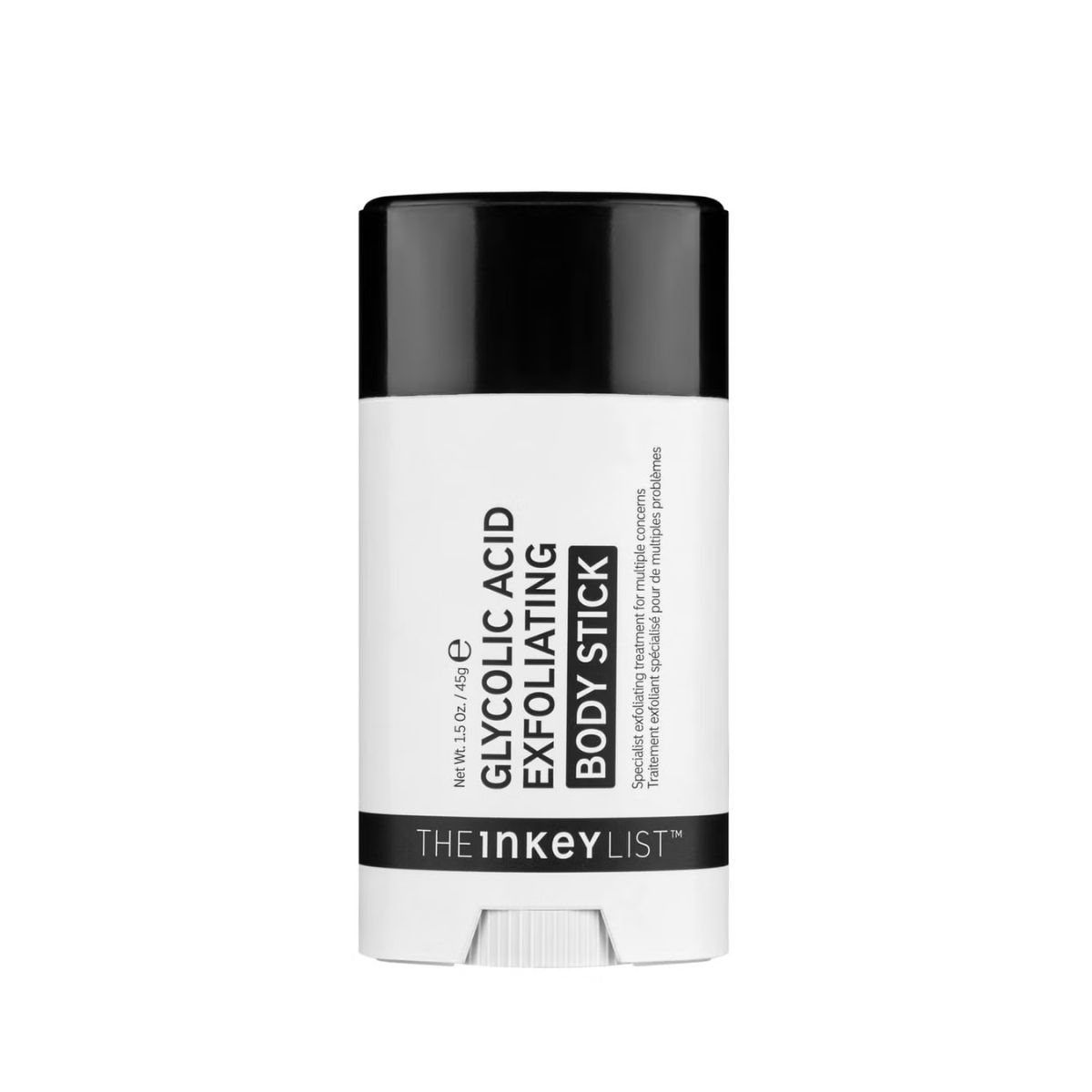
The Inkey List glycolic acid comes in this extremely easy to use stick, ready to apply directly to any areas that need it. It glides onto the skin with zero messiness, and the combination of glycolic acid and salicylic acid (known to unclog pores) makes it a brilliant skincare all-rounder.
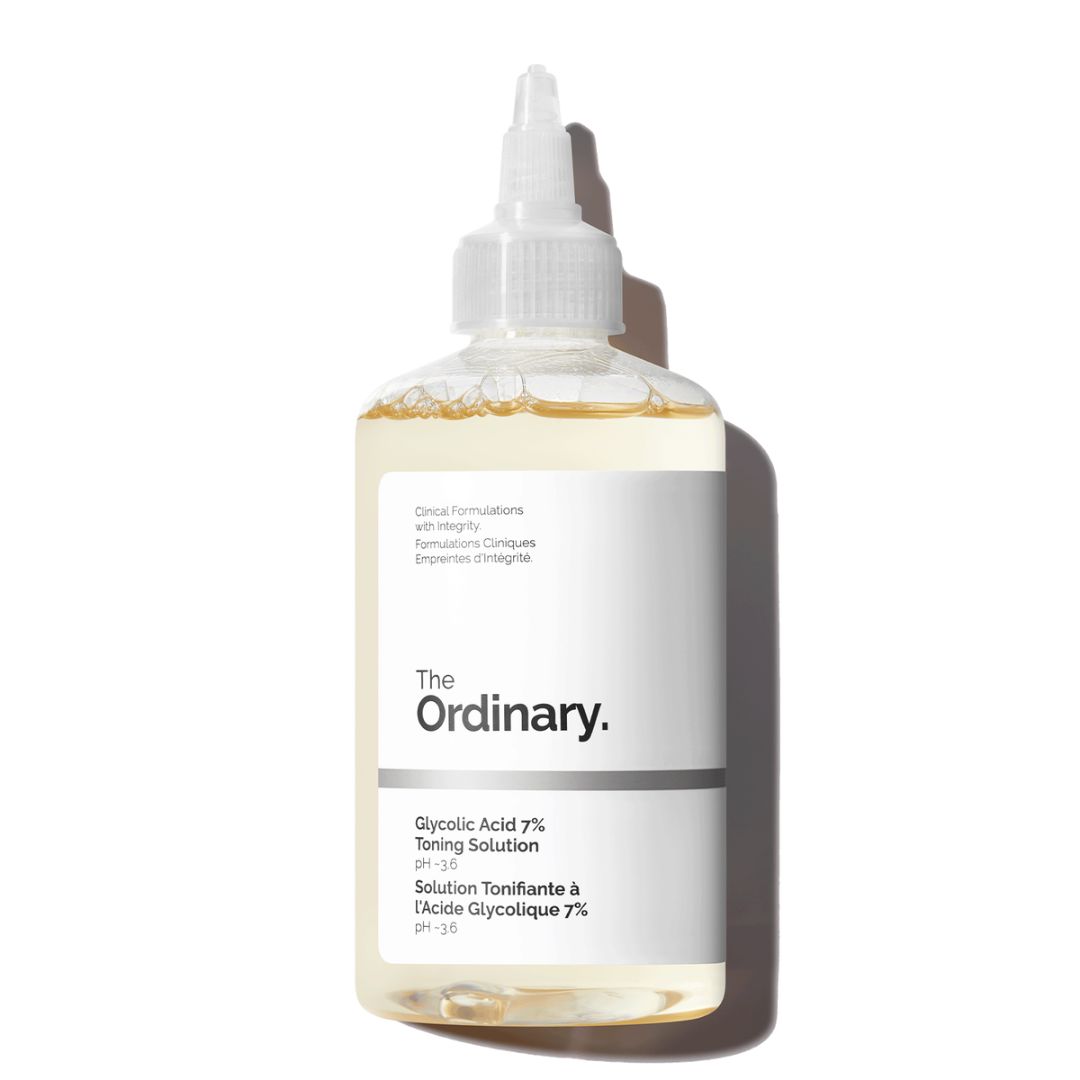
The Ordinary's liquid formula can be patted directly onto the skin, or applied to a cotton pad first. I prefer this product for my underarms as it sinks straight in and doesn't leave any residue. It also works wonders to dry out breakouts.
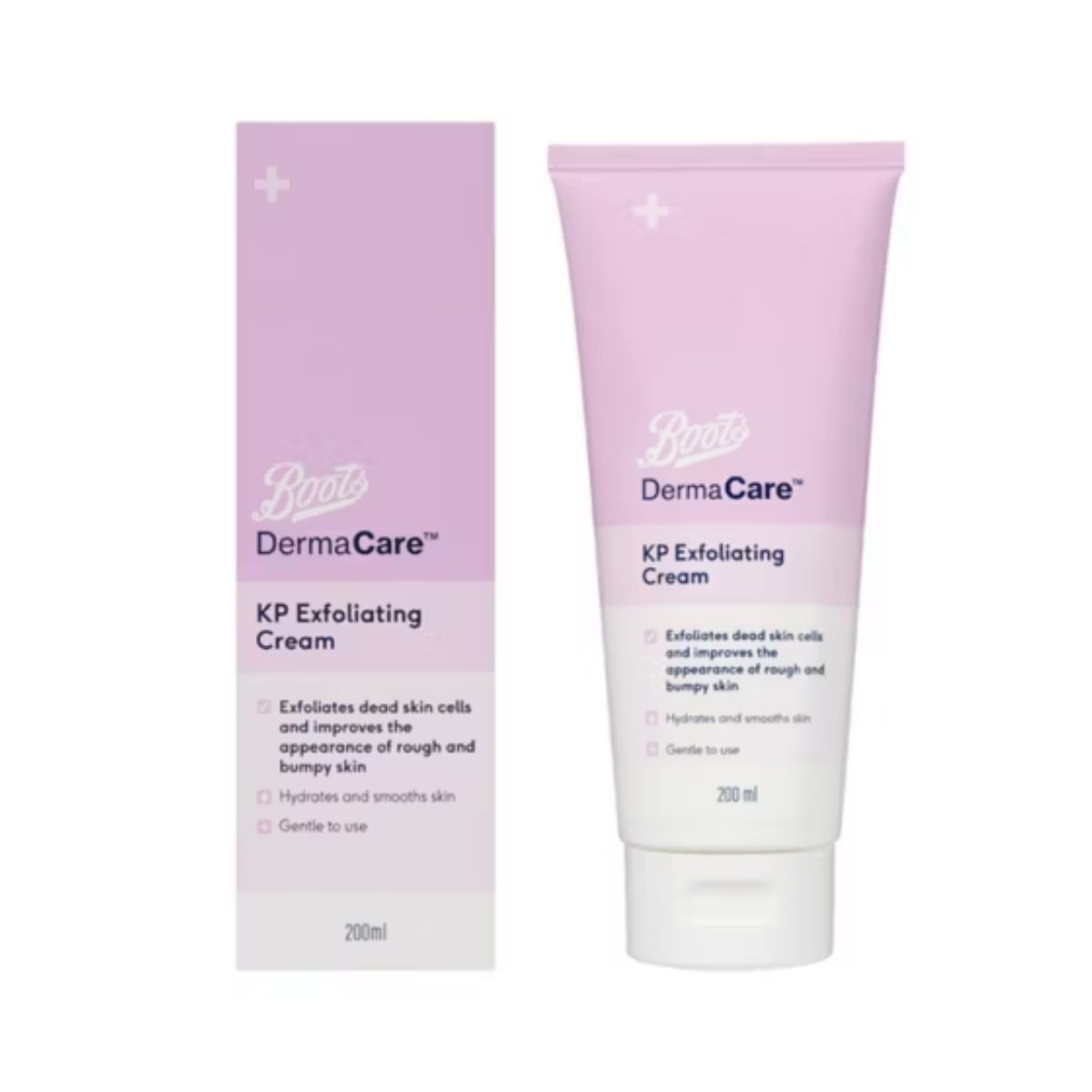
With an impressive 10% glycolic acid, this cream nourishes the skin whilst exfoliating and unclogging pores. Although it targets KP specifically, the percentage of glycolic acid is high enough to work on other areas of the body too.
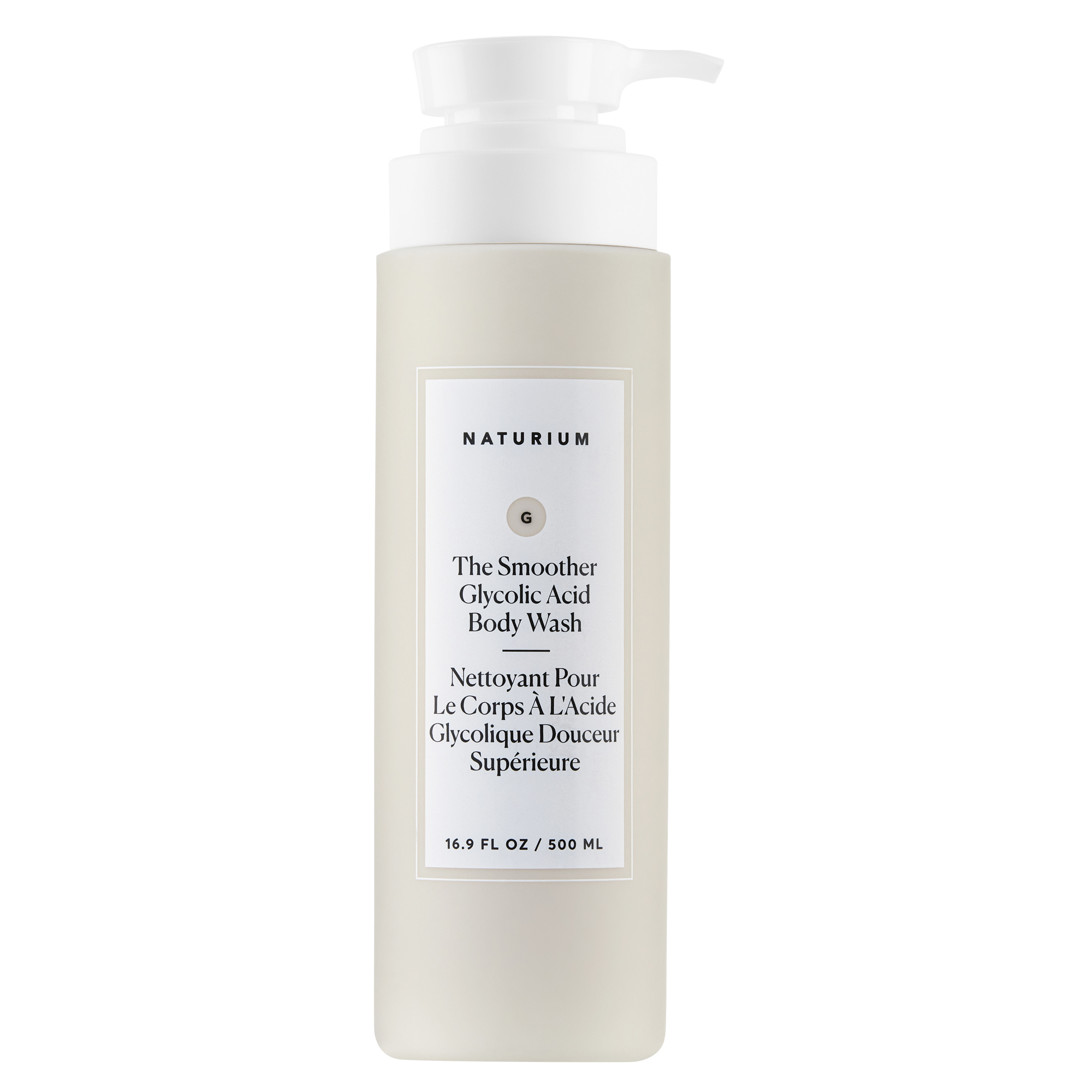
With a 5% AHA blend, this body wash is a slightly gentler formula that can even be used on the face. Despite being washed away in the shower, the actives in the formula cling to the skin to provide the exfoliating and resurfacing results you're after.





0 Commentaires