The advice around going on our phones before bed is pretty clear: don't do it. And yet, somehow, there I am at 10 pm almost every night, checking one thing that inevitably turns into another, then another, and so it goes...
It’s not even that I particularly enjoy the habit – more that, after a long day, reaching for my phone has become the path of least resistance. The problem is, phone time – and more specifically, doomscrolling – before bed isn't a particularly healthy habit.
"It means more blue light exposure, algorithm-driven social media and increased mental stimulation,” explains Dr Amanda Mwale, clinical psychologist at The Good Sleep Clinic. “But to fall asleep, our nervous systems should be shifting into ‘rest and digest’ mode, rather than becoming more stimulated.” Research backs her up, too: one randomised trial found that people who avoided their phones for 30 minutes before bed fell asleep faster and reported better sleep quality and mood.
But rather than simply banning my phone and leaving a 20-minute void I’d inevitably resent, I wanted to replace the habit with something that actually felt appealing. Enter my new bedtime wind-down ritual: ten minutes of gentle stretching followed by ten minutes of journalling – two things I already know make me feel calmer, but I rarely prioritise at the end of the day.
For two weeks, I committed to making the swap every night, curious to see whether it would change more than the time it took me to nod off. Would I feel less wired before bed? Calmer during the day? More energised in the mornings? And, perhaps most importantly, could a deliberate 20-minute ritual finally make my evenings feel like an actual transition into rest rather than one last extension of the day?
I Swapped My Evening Scroll for a 20-Minute Wind-Down Ritual—It’s Been a Game-Changer
What is a bedtime wind-down ritual?
A bedtime wind-down ritual is exactly what it sounds like – a handful of familiar habits that help you move from doing to resting. As James Wilson, aka The Sleep Geek, explains: “A wind-down ritual is simply a bridge between the busyness of the day and sleep. It is not a magic routine that makes you sleep. The aim is to reduce physical and emotional alertness so you feel relaxed and secure enough to let sleep happen.”
Interestingly, Wilson points out that there’s no universal formula here – and yes, your phone could technically form part of a routine if it genuinely helps you relax. For me, though, scrolling tends to do the opposite: I come away feeling more mentally switched on, and sometimes more anxious, too.
What are the benefits of having a bedtime wind-down ritual?
So, how could curating a relaxing wind-down ritual help me exactly? At its simplest, it creates a buffer between the doing part of the day and the bit where we expect our brains to suddenly switch off. Rather than going straight from emails, chores or scrolling to lights out, those few quieter minutes give the body and mind a chance to come down a gear.
That’s a big part of why I chose journalling and stretching for my new wind-down ritual. Both force me to slow down and pay attention to the present moment, rather than ricocheting between thoughts and tasks. “Many of the people I have worked with clinically have found journalling extremely helpful for ‘putting their worries to bed’, but also for recognising their achievements and things that they feel grateful for,” says Dr Mwale.
There's some pretty interesting science around this: a 2018 sleep-lab study found that people who spent five minutes writing a specific to-do list before bed fell asleep faster than those who wrote about tasks they had already completed.
Stretching serves a slightly different purpose for me – getting me out of my head and back into my body. Dr Mwale says gentle stretching can help release some of the physical tension accumulated throughout the day and encourage the nervous system towards a state more conducive to sleep. And a 2024 review of stretching interventions found a positive trend in sleep quality improvement, although the researchers noted that the evidence is still mixed.
Importantly, neither activity is a magic sleep hack. As Wilson puts it, journalling can become “another task” for some people, while stretching isn’t a sleep treatment in itself. His advice? Pay attention to whether your chosen ritual leaves you calmer or more alert. If it's the latter, it doesn't matter how many studies or online articles suggest that it's good for sleep – it's got to work for you.
Swapping doom scrolling for a wind-down ritual: my review
Week one
The first thing I noticed was just how automatic reaching for my phone had become. More than once, I found myself picking it up without consciously deciding to – that familiar urge to just "check" something was surprisingly persistent.
For the journalling portion of my ritual, I initially took inspiration from the research and tried writing a to-do list for the following day. Unfortunately, this had pretty much the opposite of a calming effect on me. Instead of putting those tasks to bed, I climbed into mine still mentally running through everything I'd written down. Useful for organisation? Absolutely. Relaxing? Not so much.
So, I switched tack and tried gratitude journalling instead – and this was a game-changer. Spending a few minutes focusing on what had gone well that day left me just feeling better. Pairing it with gentle stretching worked brilliantly, too. Getting off the couch and onto the floor brought me back into my body, and even though I only stretched for ten minutes, I felt noticeably calmer when getting into bed.

Week two
By the second week, reaching for my phone felt less instinctive, and the ritual itself started to feel like a signal that the day was winding down. I wouldn't say I suddenly became the world's best sleeper – and I certainly wasn't springing out of bed brimming with energy every morning – but I did notice subtle shifts. I felt a little less groggy on waking some days, and generally calmer heading into the evening. I was starting to look forward to my wind-down ritual, which is key.
More importantly, the experiment changed how I think about winding down. I don't think the magic lies in exactly what you do for those 20 minutes. For me, the biggest benefit came from consciously choosing how I wanted to spend them, rather than automatically reaching for my phone and disappearing down a scrolling rabbit hole.
Am I swearing off my phone before bed forever? Probably not. But I do want to be much more intentional about how I use it. I've already got my eye on some of Headspace's wind-down meditations, which feels like a more mindful use of screen time than scrolling.
Two weeks later, that's probably my biggest takeaway: a bedtime routine doesn't need to be perfect or elaborate – it just needs to help you draw a line under the day and give yourself permission to slow down. I'll definitely be sticking to mine.

Shop my favourite bedtime essentials here:
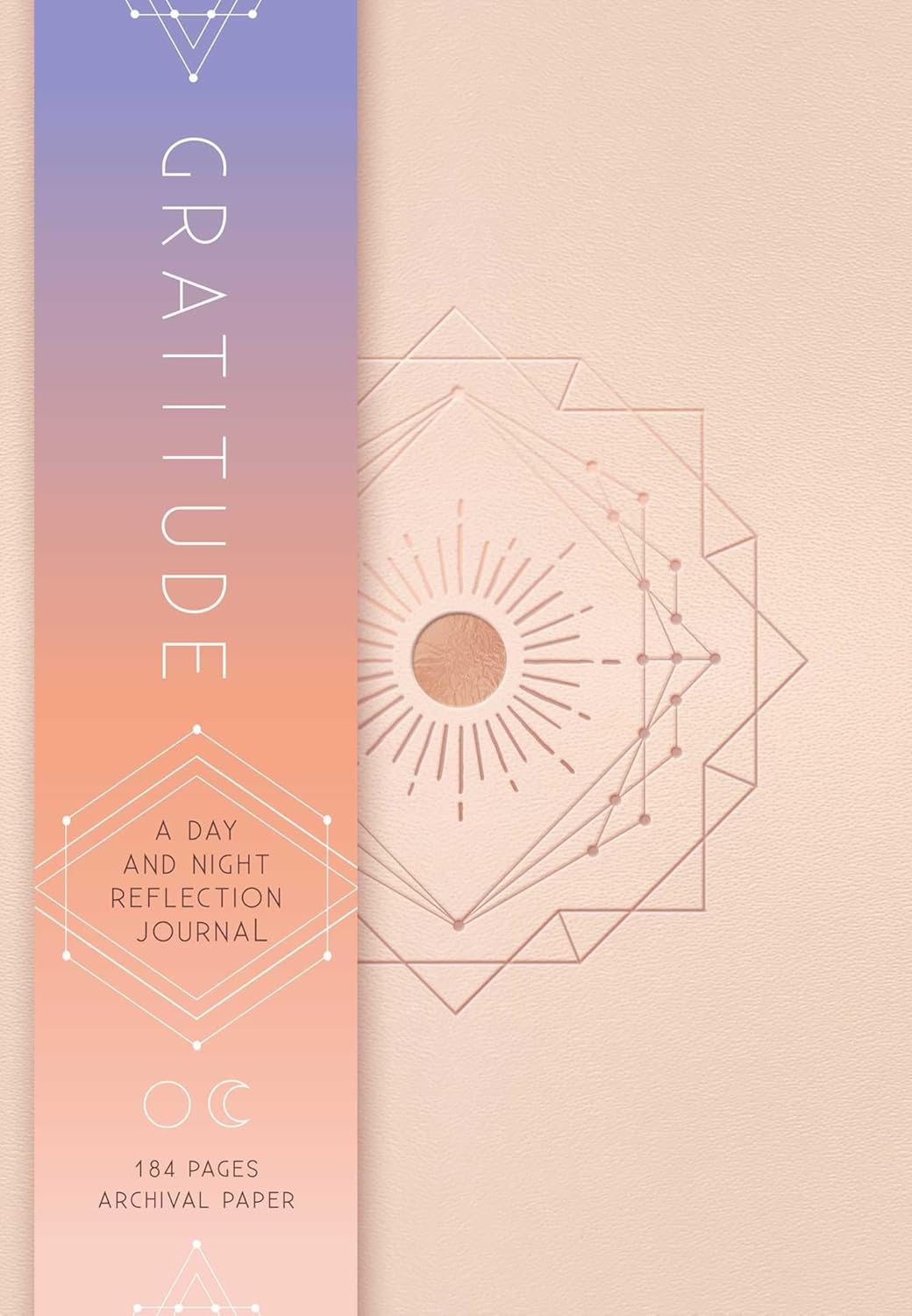
This is the exact gratitude journal that I use, morning and night. My favourite prompt in the night-time journal is 'a positive thought to carry me to sleep'... I love it.

For me, a luxurious spritz of The White Company Spa Sleep Mist has been the perfect treat to end my day with. It's like an instant signal for my brain to relax.

My sleep has had a serious upgrade since I started wearing Loop earplugs. They usually stay in through the night, and do a great job of blocking out noise. Perfect for light sleepers.
How do I create a good bedtime wind-down ritual?
The key to a good bedtime wind-down ritual is that it leaves you feeling relaxed. "It could include taking a bath, skincare, gentle yoga, listening to calming music, meditation or prayer," Dr Mwale says. "It's whatever works for you."
If the idea of turning off your phone 20 minutes before bed feels a little too intimidating, try and change how you're using it. "Scrolling through something relaxing, listening to an audiobook or connecting with somebody you care about could be part of a perfectly healthy wind down," Wilson advises.


0 Commentaires