Frazzled.
If I had a pound for every time that word appeared in my WhatsApp messages, I’d be a rich woman. Between our busy jobs, packed social calendars, complicated family dynamics, constant scrolling and endless notifications, my friends and I regularly convene over our shared sense of freneticism. A lot of the time, we seem to almost audibly buzz with the kind of static charge that might zap us if we got too close.
I’m sure you can relate, on some level. This feeling of being stuck in a state of chronic high alert is so widespread that it’s given rise to a whole new vocabulary. Where two years ago you probably hadn’t discussed your nervous system since GCSE biology, we now encounter it almost daily on our social media feeds, where #nervoussystemregulation has been used over 1.3 million times.
Alongside this growing interest, an entirely new industry has emerged: neurowellness, which the Global Wellness Summit identified as one of the fastest-growing trends for 2026. At one end, it’s a hotbed of technology, with vagus nerve stimulation devices and EEG-guided sleep tools. At the other, it’s sparked a revival of ancient practices that have been part of Eastern cultures for centuries.
Here in the West, we’ve grouped these diverse energetic practices - from acupuncture and ear seeding to reiki, qigong and somatic bodywork - under the rather clunky umbrella of ‘energy healing’. You may have noticed them popping up in wellness studios, spas and hotels, or in adverts for week-long energy healing retreats promising to reunite mind, body and spirit. According to Grand View Research, this formerly niche sector of body, mind and energy healing is worth $156.1 billion, with the market projected to grow to $795.7 billion by 2033.
For many of us, we’re still learning this new energetic vocabulary, which gives the world of energy healing an air of mystery and magic. That’s why I decided to delve into it myself, trying five trending practices to uncover what energy really is, how it gets ‘stuck ’, and whether it’s something we really need to heal.
For more on neurowellness and alternative medicine, check out our guides to somatic healing, vagus nerve tuning and at-home acupressure. It’s also worth reading what one writer learned when she consulted a Chinese Medicine Practitioner about her menstrual cycle and struggles with PMDD.
I Tried Five Popular Energy Healing Practices—and the Emotional Shifts Surprised Me
What is energy?
In her book, Unlock Your Power, tapping expert Poppy Delbridge explains that energy is about far more than how tired or alert we feel. “From a psychological perspective, energy is a communication system,” she writes. “It is a felt-sense of how you are in your body.”
That might sound tricky to get your head around, but as bodywork and integrative practitioner Amanda Tizard puts it, it really means that we are energy. “Just like objects and anything you see in nature, we’re completely made up of energy,” she says. “It’s why you can walk into a room or be around a group of people and feel that energy change.”
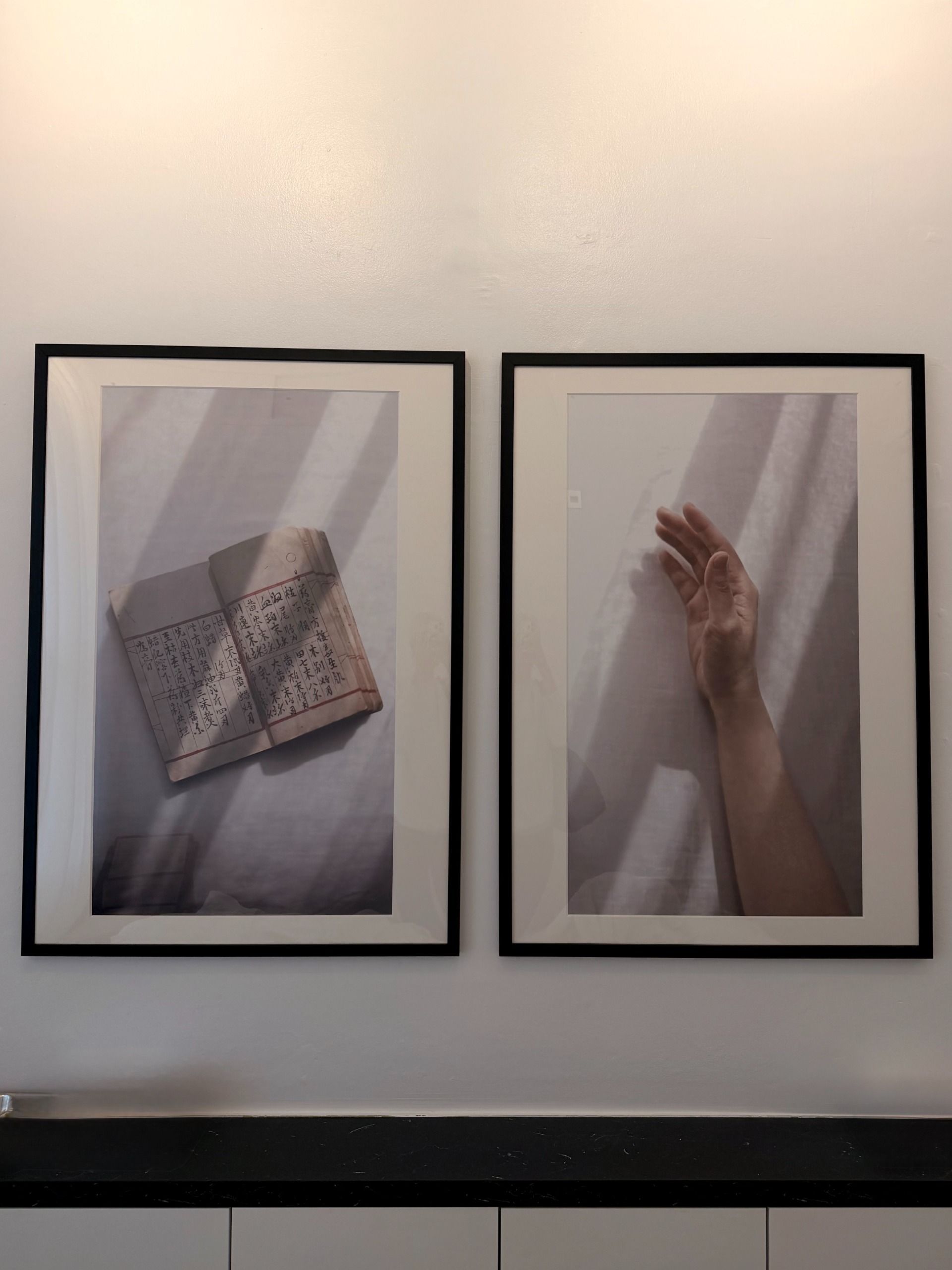
It’s a concept we rarely tap into in Western culture, but one that’s deeply rooted in Chinese medicine. “The character 氣 (qi) is often translated as energy, but it’s actually a much bigger concept,” says Ada Ooi, TCM practitioner and founder of 001 London. “Qi describes movement, process and transformation, and it doesn’t just affect emotion and spirit. It impacts the functioning of the whole body.”
Is energy something we can heal?
If we follow TCM beliefs, the connection between qi and the functioning of the whole body - from circulation, digestion, immunity, mood, sleep, and the coordination between our organs - makes keeping our energy ‘healthy’ quite important.
Interestingly, though, none of the three practitioners is keen on the phrase ‘energy healing’. “A lot of clients resonate with it, but I tend to avoid using it in private practice,” says Tizard. “What we’re really talking about with this work is moving emotion and changing how we feel.”
Moving energy is something Ooi also talks about. “Practices like Qigong move qi through the meridian networks of your body,” she says, explaining that these meridians are maps of how energy and blood move through our bodies. “Each has a direction and territory,” she tells me. “When we work with them, we’re prompting the body to regulate itself. In Western terms, this is described through the nervous system; shifting someone out of a chronic stress state so the body can do the repair work it already knows how to do.”
What are the benefits of working with energy?
‘Energy healing’ practices, for want of a better phrase, are varied and far-reaching, so choosing the right one for you will depend on what you’re struggling with. Broadly speaking, though, many are intended to promote relaxation and shift you from a state of fight-or-flight towards rest-and-digest. With that can come improvements in sleep quality and reductions in tension, fatigue, stress and anxiety, with some practices also being used to manage physical pain.
Acupuncture is one example: research has shown it to reduce symptoms of anxiety and provide relief from chronic stress. There’s also evidence for emotional freedom techniques (EFT), which Delbridge uses in her own method of Rapid Tapping. Studies have found that a single hour of clinical EFT can reduce cortisol levels by up to 24%.
“The act of tapping sends a calming signal to the amygdala - the part of your brain that governs your stress response,” Delbridge explains. “Doing so gives the body the message that ‘this is safe’ whilst we ask your mind to look at the difficult thing.”
I Spent a Month Experimenting With Energy Healing - Five Practices I Tried
Now, to my whistle-stop tour of energy healing. Before we go any further, though, a disclaimer: bouncing between five different practices over the course of a month is unlikely to be the optimal approach, nor is ‘healing your energy’ something you can achieve in a single session.
That said, even in this short space of time, I learned some surprising things. Most notably, I came away feeling more connected to the relationship between my mind and body.
1. Acupuncture
I’ll start with my favourite, because I haven’t stopped thinking about it since. When I rang the doorbell to Ada Ooi’s Marylebone clinic, I had no idea what to expect. I knew I was there for an Integrav Wellness consultation rooted in Chinese medicine, and that Ooi specialises in acupuncture and ear seeding, having previously used her ear seeds at home (more on those later).
What I wasn’t prepared for was how much it would feel like a traditional doctor’s appointment – only better. Unlike many of the wellness practices I’d tried, much of our consultation was spent talking. Ooi was kind but direct, a combination I immediately warmed to. She asked about my diet, exercise routine, bowel habits, emotional state, stress levels and work schedule before asking me to open my mouth so she could look at my tongue. Yes, you read that right.
From the colour and texture of my tongue, along with the teeth indentations at the sides, Ooi explained that she was seeing signs of energy deficiency. My pulse, when she checked it, backed this up.
Having concluded that my overall energy reserves were low - something I knew in my gut but had been ignoring for some time - it was time for the hands-on work. Most of the session centred on acupuncture, with Ooi placing needles around my feet and lower legs, abdomen, scalp and temples. Some definitely prompted more sensation than others, but none were painful, and the whole process was generally relaxing.
What surprised me was how different I felt when I left. My legs felt lighter, the tightness in my chest had eased slightly and, stick with me here, my forehead felt more…spacious?
More than anything, though, I felt like Ooi had really seen me. She’d picked up on things I’d been struggling with without me having to spell them out, then offered kind but firm advice that really resonated. My body felt tangibly better for the experience, and I’m already itching to book another session.
2. EFT Tapping
My tapping appointment with Poppy Delbridge came just 24 hours after seeing Ooi, so it’s worth bearing in mind that I was experiencing the cumulative effects of both sessions.
We met over WhatsApp video, and I was nervous. As someone who’s naturally shy, the idea of tapping on my face while reciting affirmations with someone watching from the other side of a screen sounded, frankly, awful. But having previously tried Poppy’s tapping sessions independently after hearing her on Fearne Cotton’s Happy Place podcast, I had some sense of how powerful the practice could be.
So, with a deep breath, we got into it - following Poppy’s own Rapid Tapping method - which combines elements of EFT with manifestation. She couldn’t have been lovelier, and I was grateful that she did the whole thing with me, which made me feel a little less like a deer in the headlights.
What I like about tapping is the way it can help you bypass negative self-talk. I typically struggle with affirmations, but focusing on the physical act of tapping made it easier to repeat the words without getting caught up in whether I believed them.
I’m not going to tell you I felt magically at ease. I was still self-conscious at times and struggled to be fully present. But what I love is how easily I can keep practising it. Because whilst an initial session with a practitioner is helpful, once you get the hang of it, you can do it independently at home. Delbridge’s recommendation? Ten minutes in the morning before you start your day.
Even after one session, I noticed an emotional shift. I’m not a crier, but the next morning, sitting outside with my coffee, I suddenly had my Cameron Diaz moment (if you haven’t seen The Holiday, never mind). It wasn’t a big sob, but I did feel better afterwards, and I’ve since made tapping part of my morning routine.
3. Emotional somatic release
If you’ve seen the women breaking down into cathartic-looking sobs on your TikTok feed, you’ll have some idea of what emotional somatic release can look like.
For me, it didn’t quite go that way. I didn’t really expect it to. I struggle to let go and express outward emotion at the best of times, so while I secretly hoped for one huge release, I wasn’t convinced it was going to happen.
Instead, I found the whole thing intriguing, if a little confusing. I met my practitioner, Amanda Tizard, at HOME - one of my favourite wellness studios in London. As the name suggests, it feels safe and cosy as soon as you walk in; all wooden floorboards and incense aromas.
Once in the treatment room, Tizard asked me about my history and why I was there. Then we got started. The practice involved entering a deeply relaxed, hypnotic state where I could allow my mind to move towards a particular memory or sensation. Tizard explained that a lot of the time these memories are preverbal, meaning they won’t be photographic, but can show up more as colours and shapes. This was certainly true for me and, as someone who has never done hypnotherapy before, it was an entirely new experience.
At times, I did question whether I was speaking from my younger self or whether my adult brain was simply making the answers up. But each time I shared my doubts, Tizard was gentle and reassuring, encouraging me to trust myself and adjusting to my pace.
At the end, I did get a release of sorts: the giggles. Just like crying, Tizard says laughter can release energy, and going by the way I felt later that evening, I’d say that was the case for me. I noticed my stomach doing somersaults and experienced a butterfly-like sensation, despite having nothing obvious to be nervous about.
The best part? The next morning, at my regular talk therapy session, I felt much more able to speak freely. I usually struggle to articulate my feelings and rarely feel safe enough to share openly, but that day I felt lighter and more in tune with what was going on in my body.
4. Reiki
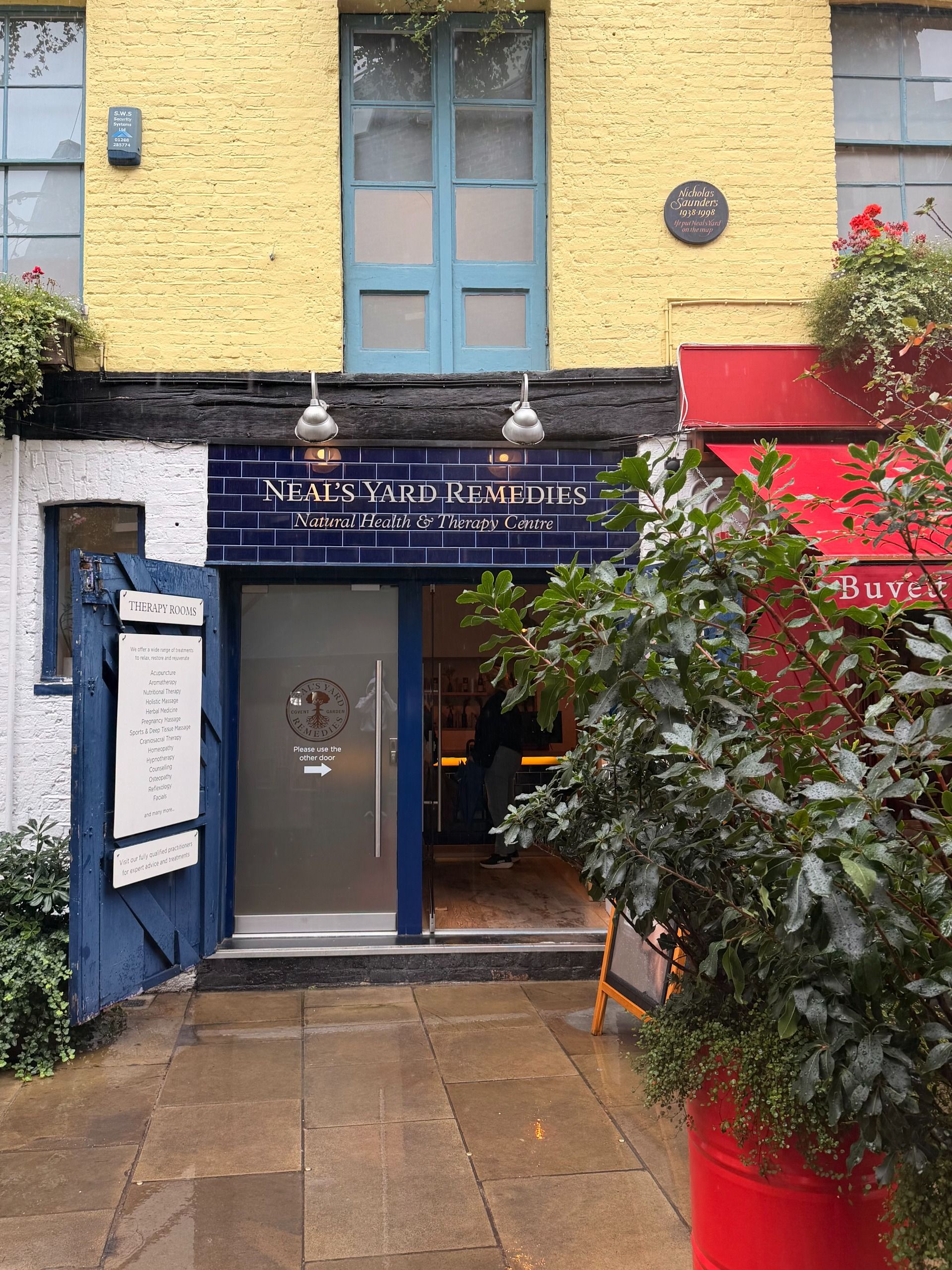
My one-hour Reiki session at Neal’s Yard Remedies in Covent Garden was hands down one of the most relaxing hours of my life. Reiki, a Japanese practice centred on the concept of universal life force energy, is intended to promote relaxation and wellbeing.
It certainly did the former for me, although I didn’t experience any dramatic energy shifts during the hour. As Ooi pointed out when I told her this, these practices aren’t quick fixes - the key is consistency and commitment.
Personally, I can see the appeal of Reiki for everyday stress and tension, but perhaps not for any deeply embedded worries. During my appointment, my therapist combined it with sound healing, massage and breathwork, leaving me in a somewhat dizzy state of drowsiness. At times, I even felt as though my body was being pulled gently in one direction and wondered whether I was visibly moving.
Of all the practices I tried, it was probably the one I’d be least likely to return to. But I know people who absolutely love it, which perhaps says as much about the individual nature of these practices as it does about Reiki itself.
5. Ear seeding
Lastly, ear seeding. Similar to acupuncture, these tiny studs, which look a little like gemstones, are placed on specific points of the ear. In traditional Chinese medicine, the ear is considered a microsystem representing different parts of the body, with different points corresponding to different functions.
I used 001 Acu-Studs, which come with a guide to the different points on the ear. I chose points associated with anxiety, digestion and hormone balance. The idea is to leave the seeds in place for a few days, pressing them periodically for additional stimulation.
It’s impossible to know from my experience alone how much of the effect was placebo, but I did feel noticeably calmer on the days I wore them. I’d often press them when I was feeling overwhelmed by work, and even that became a soothing little ritual.
There’s no doubt I felt a stronger effect from my acupuncture session with Ooi, but for something simple I could incorporate into everyday life, the ear seeds get a tick from me.
The verdict: can energy healing cure an overstimulated nervous system?
It’s been a whirlwind of a month, and at times I’ve felt a little like I’ve been tossed around in a washing machine. But now that I’m finally hanging out to dry, I’ve noticed a significant shift in how my body feels.
As the experts pointed out to me, I think the phrase ‘energy healing’ is ultimately a little reductive, missing much of the nuance between practices that can be vastly different from one another. It also implies a kind of magical fix - and none of these is that.
Instead, they’re an alternative way of unlocking emotions you may have buried deep in your mind and body, and for me, they provided a route into feelings and sensations that I struggle to articulate through talk alone. If you’re someone who finds it difficult to open up in therapy, notices stress manifesting physically, or can’t quite pinpoint what’s bothering you, I think these practices offer another way in.
In short, after a month of experimenting, I’m convinced there’s value in paying closer attention to the energetic frequency we’re operating on - and, for me, tapping into that had a surprisingly significant effect.
Shop MC-UK approved energy healing products now:
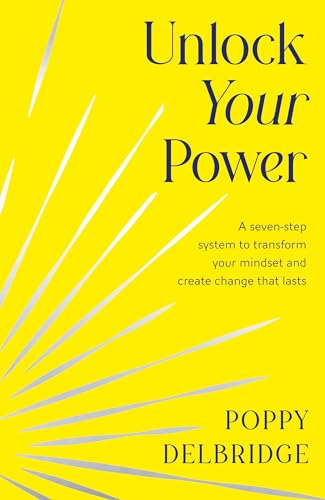
If you’re keen to understand more about energy, your nervous system and your subconscious mind, Delbridge’s book dives into all three. I’m currently midway through and, let’s just say, I’m hooked. With theory alongside practical tools, it’s a great entry point into the world of energetic healing.
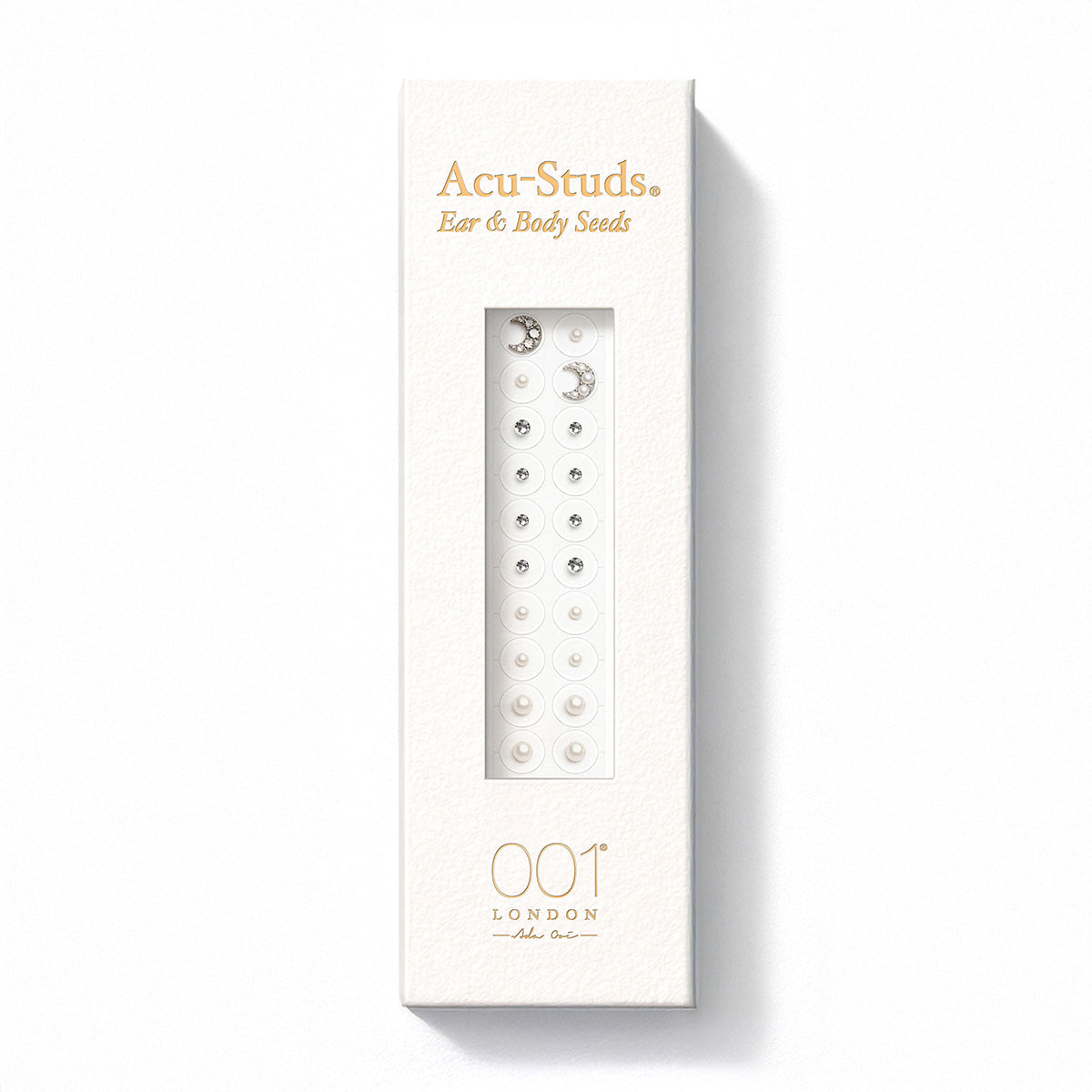
If ear seeding is something you’re keen to try, I’d recommend the acu-studs from 001 London. Created by Chinese medicine practitioner Ada Ooi, they’re rooted in Chinese medicine and therapeutic massage. Each pack comes with a map of your ear’s acupressure points and a pair of tweezers to apply them.
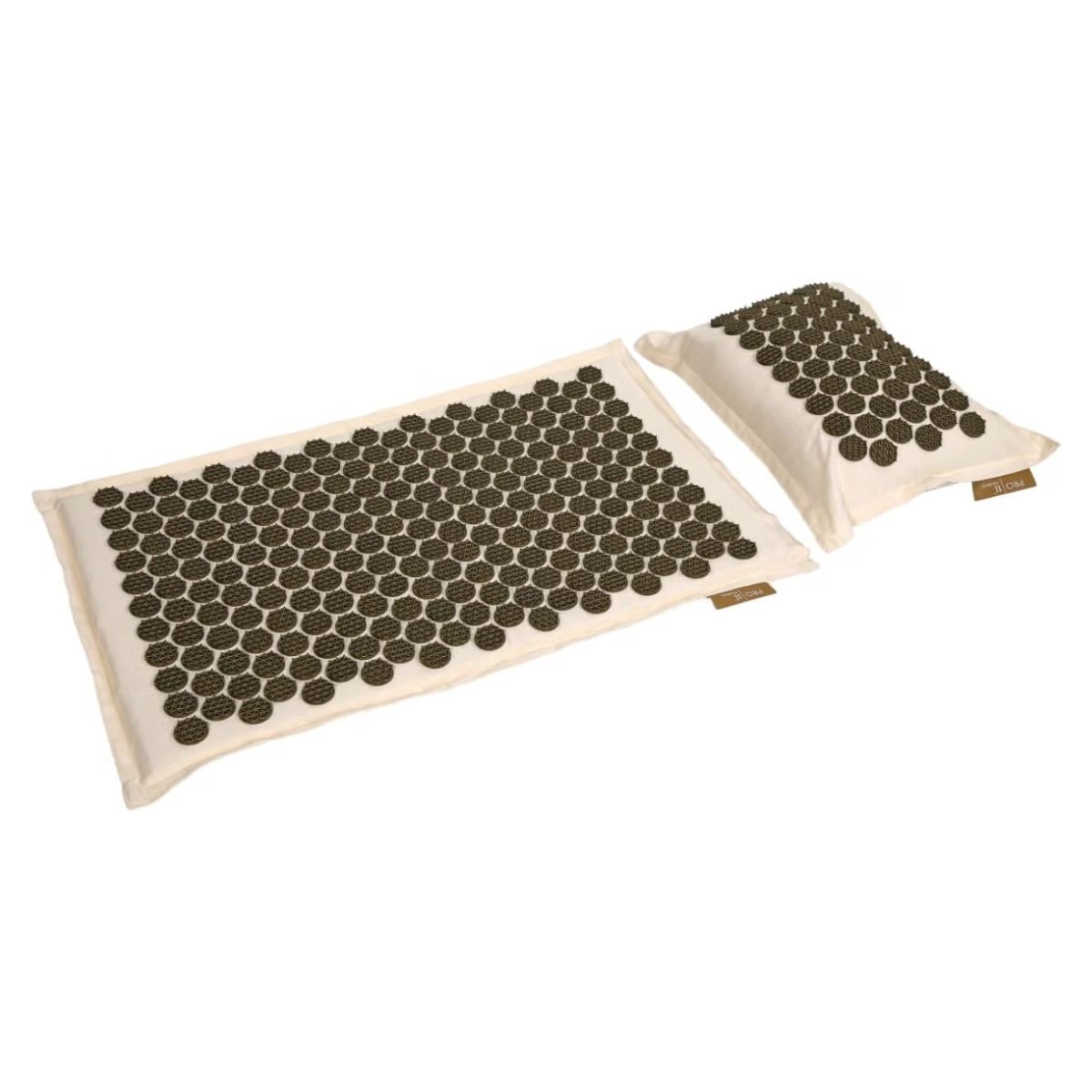
I adore my acupressure mat, particularly during periods of high stress. From easing tension to improving sleep, 20 minutes of lying on one of these mats before bed does wonders for your nervous system.


0 Commentaires