If there’s one thing none of us seems to have enough of right now, we’d wager it’s energy. No matter how much sleep/holiday/downtime we get, it can still feel like we’re wading through treacle come 3 pm – and that’s just on the good days.
The science is compelling here, too: studies (such as this one, published in the journal Behavioural Science) show that we’re not imagining it – modern life has more so-called energy drains than ever, as we’re subjected to near-constant notifications, bombarded with headlines and permanently alerted to whatever your mates are up to every second of the day - and be this good news or bad, it takes its toll on our energy.
Here’s another newsflash for you (sorry): all this stimulation isn’t doing our brains – or our bodies – any good at all. If you’ve ever dealt with a high-stress day in the office only to lose your cool when you can’t open a jar at dinner (not just us, surely?), it’s a sure-fire sign that your capacity for dealing with life’s tiny frustrations has run out.
But there is good news. While it might seem like these things are out of our control (and apologies, we can’t help with your endless to-do list), there are actually a number of ways we can reclaim control of our energy reserves, from sorting life admin to just buying the new socks rather than spending ten minutes each day searching for a matching pair (guilty).
More on this below, but in the meantime, do check out our guides to the best five-minute meditations to boost energy, read about how one Team MC Health Writer fared when she switched her morning coffee for a high-protein breakfast and read all about everyday avoidable energy-draining habits - plus, find out how another Health Writer got on when she opted out of optimisation culture for a month, here.
Always Feeling Drained? These Tiny Life Admin Habits Could Be Secretly Sapping Your Energy
What are life admin habits that drain our energy?
So, what exactly do we mean when we talk about energy drains? It can be helpful to think about your energy as a finite, daily replenishing store; we only have so much to dip into, and pretty much everything we do depletes it – from the obvious (exercise, work, stress, general adulting) to the seemingly more innocuous (think that message from your mum last week you still haven’t replied to).
“Some of our biggest energy drains aren’t from the tasks that are physically demanding," shares psychotherapist and honorary lecturer at the University of Lancashire, Lowri Walsh. "They’re the small, unfinished tasks competing for our attention throughout the day. This can include unanswered emails, messages, forms, appointments, decisions we’ve been putting off, and reminders constantly circling in our minds.
But it's not just about the big things, either. Those tiny, everyday annoyances can build up, too - we're talking about constant clutter, struggling with the same micro-annoyances day after day - you get the gist.
"One of the biggest drains on mental energy is not necessarily the notifications, emails or everyday admin themselves, but our tendency to tolerate things that repeatedly cause us stress," agrees psychologist and wellbeing expert Audrey Tang. "We can become focused on wellness practices such as breathing exercises or meditation as a way of feeling better, without addressing the underlying issue. There is a difference between managing stress and avoiding it."
Let's take a look at those common energy drains.
1. Task switching
First up, one we think most of us can relate to: constantly switching from one (ultra-important, obviously) task to the next. When life gets busy, it's easy to feel overwhelmed with where or how to start - and that's when flitting from job to job kicks in.
"If you're constantly checking notifications, procrastinating over something you know you need to do, carrying a mental list of things you must remember, repeatedly checking unread emails, putting off booking an appointment or continually moving the same task from one day's to-do list to the next, individually these things might seem insignificant," explains Liz Howard, chartered psychologist, executive coach and founder of Up2eleven. "Collectively, however, they can create a sense of mental clutter and leave us feeling overwhelmed and depleted.
“One reason is that our working memory and attention have limited capacity. When lots of things are competing for that capacity, even relatively simple tasks can begin to feel harder.
“Constant switching is particularly relevant. Research into attention residue suggests that when we move from one task to another, particularly before we've properly finished the first, our attention doesn't always move with us completely. Part of our thinking can remain with what we were doing before. So checking a notification might only take 30 seconds, but the disruption to our concentration can last longer than the notification itself."
2. Endless notifications
Another one we are all exposed to every. Single. Minute. If you haven't silenced those notifications yet, consider this your sign.
"One of the biggest everyday drains on our energy is something many of us don’t recognise as a form of stress: constant cognitive stimulation," shares Dr Mihaela Gulyas, medical doctor and founder of SKNCode London. "From the moment we wake up, we’re exposed to notifications, emails, messages, social media, podcasts, phone calls and an endless list of small decisions. None of these things necessarily feels particularly stressful in isolation, but together they can leave the brain with very little genuine downtime."
"Every time a notification interrupts us, or we switch from one task to another, our attention has to disengage and refocus. Even after we put the phone down, part of our attention can remain with what we have just seen or read. Over the course of a day, this constant switching can contribute to the feeling of being mentally exhausted despite not necessarily having done anything physically demanding."
3. Procrastination
"Procrastinating on small tasks can create a similar drain on your energy to task switching and endless notifications," continues Dr Gulyas. "An email you know you need to answer, an appointment you haven’t booked, a bill you need to pay or something you’ve been meaning to order can continue occupying a small amount of mental space. When you have ten or twenty of these unfinished tasks simultaneously, the cumulative effect can feel surprisingly heavy. Often, it’s not the amount of work that’s exhausting us; it’s having too many things competing for our attention at once."
4. Constant stimulation
Closely linked to both task switching and notifications, but subtly different, consider this: when was the last time you weren't watching, reading or listening to something?
"Another modern habit I think we underestimate is our inability to tolerate moments without stimulation," agrees Dr Gulyas. "We stand in a queue and immediately check our phones. We walk while listening to a podcast. We exercise while watching something. We call somebody while travelling from one place to another. Even activities that historically gave the brain a natural opportunity to wander and decompress have become filled with information."
5. Unfinished goals
To-do lists as long as your arm? We hear you - but it's worth ticking off those tiny chores, for the sake of your emotional energy bank.
“There's a psychological cost associated with things we haven't dealt with," shares Howard. "Unfinished goals can remain mentally active and intrude on what we're doing. Interestingly, research suggests we don't necessarily have to complete everything to reduce that interference. Making a clear plan for when and how we're going to deal with something can help."
What is the impact of constant energy drains?
While individually, these micro-drains might seem insignificant, their cumulative effect on our nervous systems can be (at best) annoying and even debilitating.
“These habits can leave us in a state of hyper-vigilance, where the brain is continually scanning, remembering, switching and anticipating things," warns Walsh. "That makes it difficult to truly settle, even when we’re supposed to be resting. When we continually push ourselves to tolerate situations that feel unacceptable, the cumulative impact can become overwhelming.
“Over time, this can contribute to irritability, reduced concentration, anxiety, poor sleep and that persistent feeling of being ‘behind’. It can also make it harder to enjoy the things that genuinely restore us, such as hobbies, meaningful activities and time with friends and family.”
@nicolegonzalezwrites episode 22 is up — routines are great and decluttering your life is a necessity
♬ original sound - Nicole Gonzalez LLC
How can we reduce our daily energy drains?
The good news is that there are steps we can all take to reduce our leaky energy and reclaim control – but you have to start by identifying your own personal drains, as it’s all subjective.
“If something repeatedly causes us physical discomfort, we would usually take steps to fix it, so we should apply the same thinking to our mental wellbeing," shares Walsh. "A useful question to ask is, ‘How am I benefiting from not addressing this?’ Even recognising that we are choosing to tolerate something can restore a sense of control. Making a decision to change the situation can be surprisingly empowering.”
Not sure where to start? There are some fairly universal things we can all do to help - the experts advise trying the following:
- Externalise your mental to-do list. Write tasks down somewhere visible, rather than relying on your brain to keep track of them.
- Turn off non-essential notifications to reduce unnecessary interruptions.
- Try grouping similar tasks together and creating dedicated blocks of time for them. For example, an hour for emails, 30 minutes for a walk or an hour for focused work.
- Break down tasks you're avoiding into smaller, more manageable steps. Rather than trying to clear out an entire cupboard in one go, for example, tackle it for 20 minutes at a time.
- Don't respond to everything immediately. Setting realistic boundaries around response times can protect your attention and energy - you don’t have to be constantly available.
- Try the Eisenhower Matrix: do what is urgent and important, delegate what is urgent but less important, delay what is important but not urgent, and delete or mute what is neither.
- Create periods of downtime in the day, especially before bedtime. Reduce notifications, put your phone away and avoid unnecessary work to help establish a clearer distinction between daytime activity and recovery.
Shop MC UK's favourite wellbeing essentials now:

Now, we know that self-care runs way deeper than a long, luxurious soak, but a fancy bath oil is a great place to start. We love the Olverum range and think you will, too.

Ignore those notifications just a little longer and curl up in this gorgeous Varley set. Loungewear, but make it luxe.
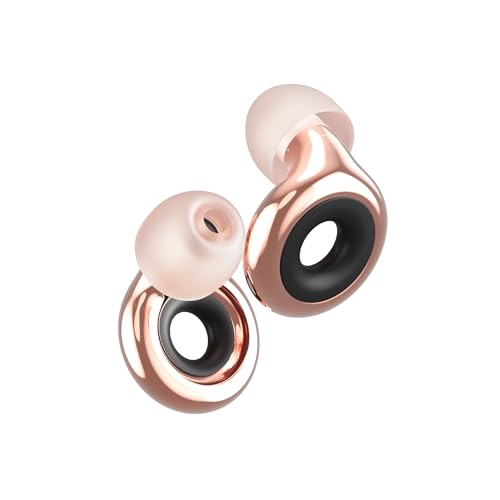
Struggling to block out the world? We love Loop earplugs for helping us to focus and reconnect with ourselves, while still remaining aware of our surroundings. Perfect for muting that distracting background noise, plus the range of colours is top-tier, too.
How can we address our energy drains and still be productive?
We know what you're thinking - it's not as simple as eliminating stressors, because you have stuff to do, right? Agreed - but it's about identifying those areas that just need a little tweak, rather than unrealistically overhauling your to-do lists.
“The goal isn’t to become perfectly organised or eliminate every distraction," notes Walsh. "It’s about recognising where your energy is going and making a few intentional changes to your routine. Pay attention to your own patterns: at the end of the day, reflect on what felt energising and what felt burdensome. Identifying your personal ‘energy leaks’ is the first step towards doing something about them.”





0 Commentaires