A few years ago, you might have dropped an objectively "eye-watering" amount on a, say, a handbag because you saw it on the Olsens, got caught in the cross-hairs of a persuasive shopping assistant or hoped it would last a lifetime. Nowadays, however, customers are looking for something that you might expect to be listed on a dating profile: emotional connection.
The Business of Fashion's recent report, The State of Fashion: Face to Face With Luxury Clients, which was produced in collaboration with consultancy firm McKinsey & Company, found the following: "Emotional connection is the number one driver of luxury brand desirability in both the US and China — above craftsmanship, heritage and logo recognition." A customer still expects quality but wants more besides.
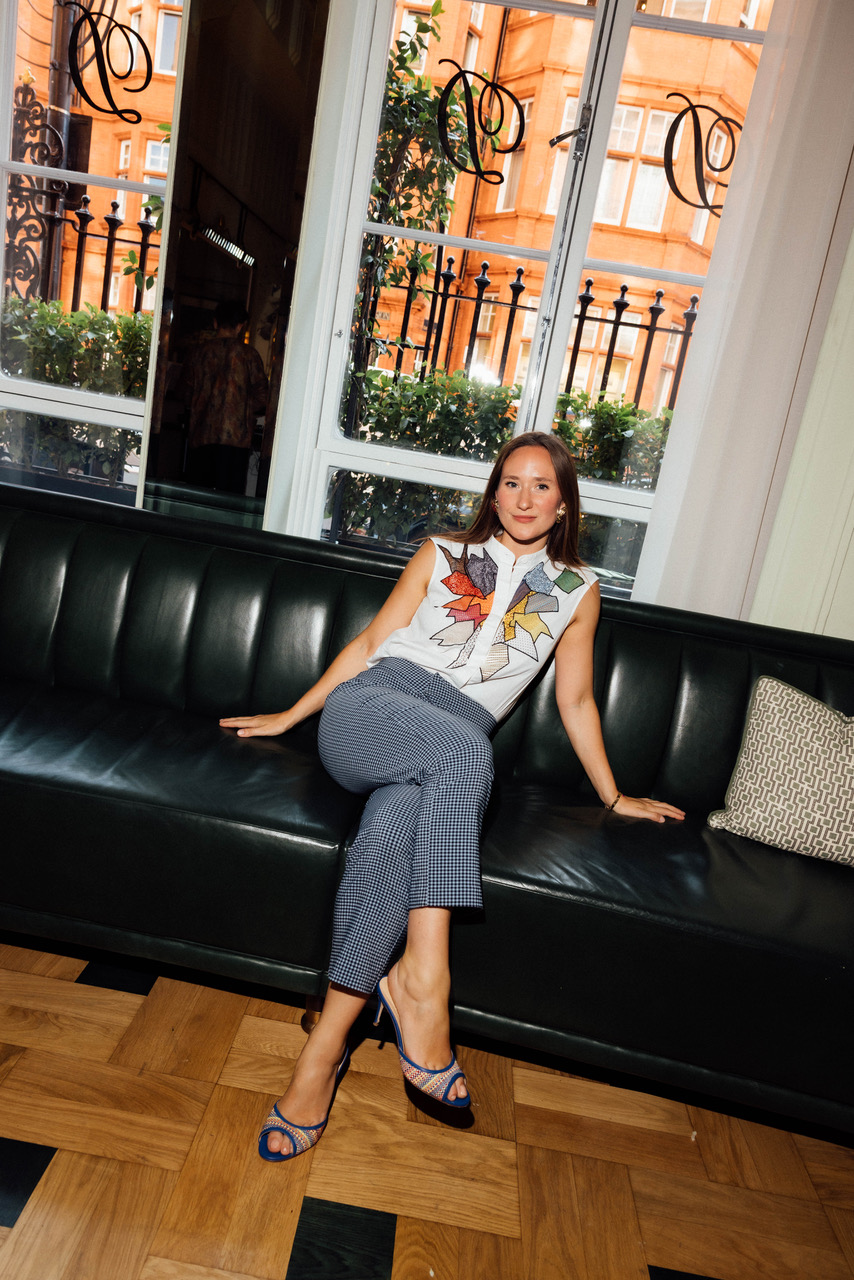
"Things like beautiful imagery, exceptional product, operational slickness, high-touch customer service are par for the course—on top of that consumers now need to feel like they are buying into something," says luxury brand advisor Alexandra Carello. "The brand has to work hard to create something that people want to be a part of. This is not about pushing out information and product anymore this is about pulling people in and enveloping them in your world," she says.
The BoF report uses the case study of Chanel, interviewing the brand's president of fashion, Bruno Pavlovsky, about how it's managing to grow in a difficult luxury climate (2025's operating profit was $4,712 million, an increase of 5% compared to 2024). Pavloksky cites Matthieu Blazy, the new artistic director, and his vision—of a future that's rooted in a storied past—as the reason why customer interest has been reinforced. "Chanel, the brand, never stopped generating interest. Matthieu’s arrival has reinforced that interest. He has perfectly integrated the heritage of Mademoiselle Chanel, of Karl. But his work also makes space for more freedom, more audacity in an intelligent way."
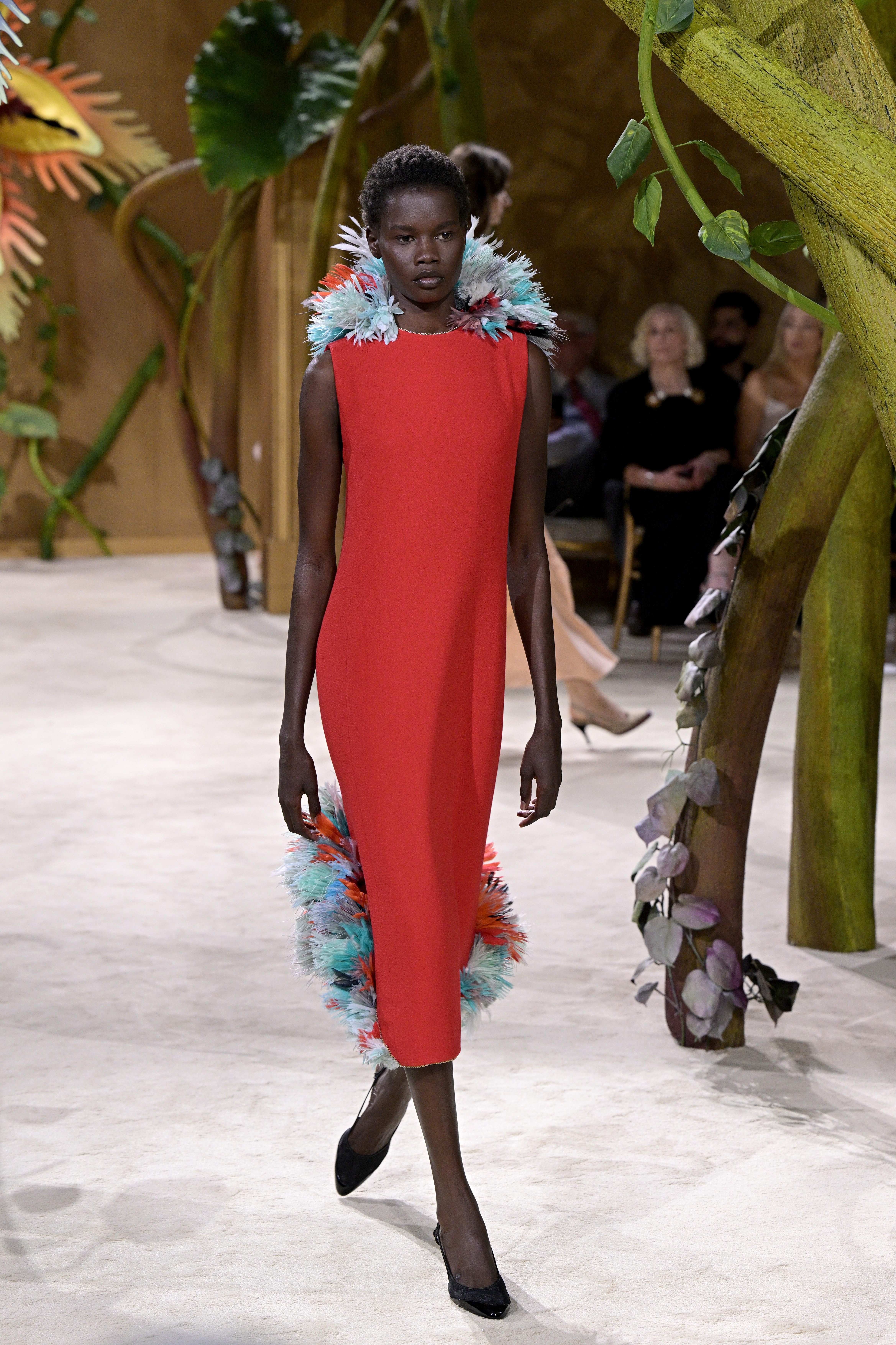
Celine is another brand that has recently undergone a changing of the guard, with a new custodian in the form of creative director Michael Rider. Having previously worked at the maison under, arguably, its most venerated creative director, Phoebe Philo, Rider's design language is steeped in the lore of what the internet refers to as "old Celine" Similarly to Blazy, however, he's using that history and knowledge to move forwards, taking the brand into exciting territory that has got fans re-excited by a new Celine.
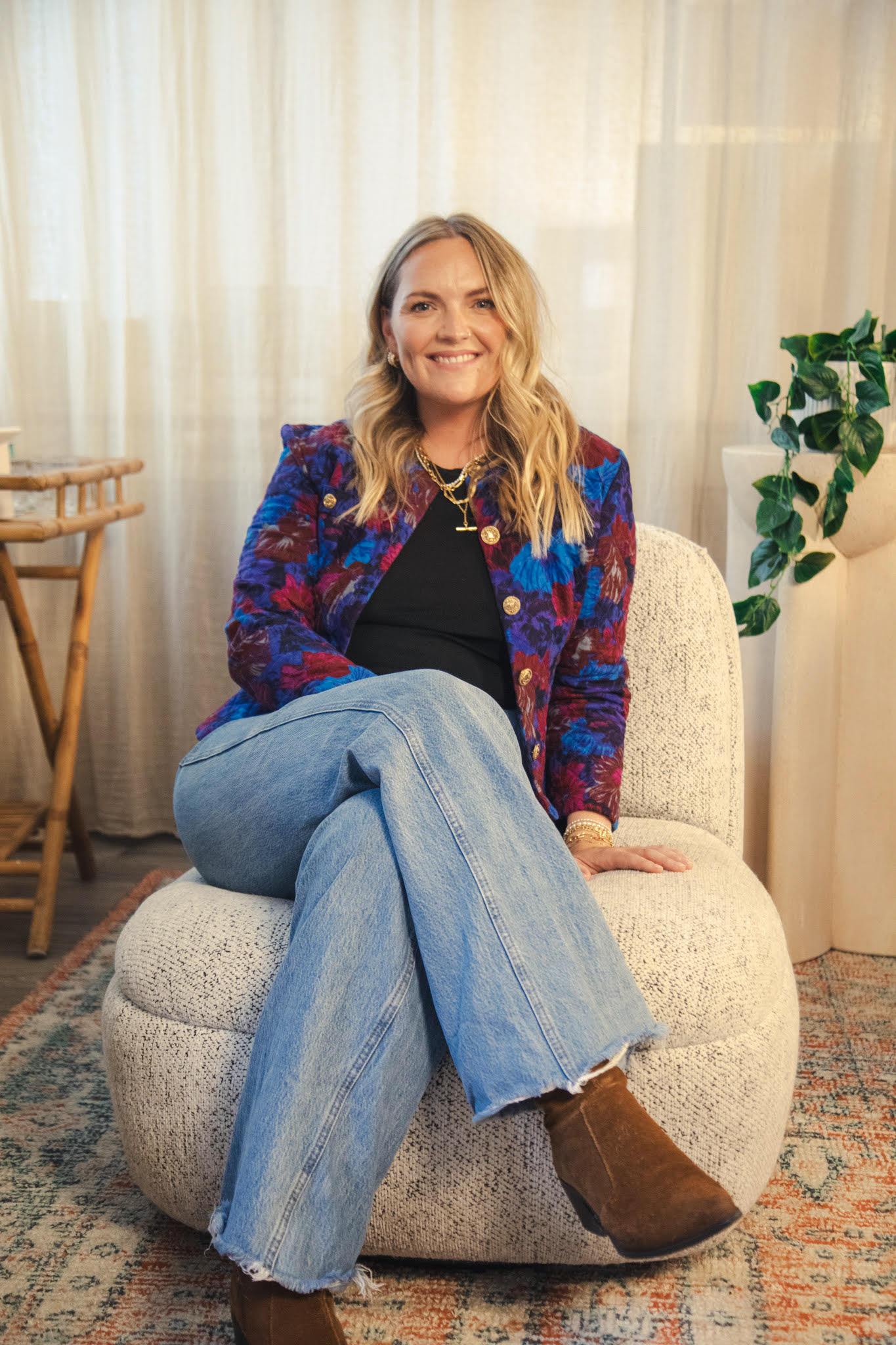
This new territory is where the luxury shopping experience goes beyond the transactional. How brands in more contemporary price brackets have managed this is by treating the product as just the starting point. "I've always believed the best brands create relationships, not just sales," says the co-founder and creative director of Daisy London, Ruth Bewsey. "That's what inspired the Daisy Summer Club, a series of pop-up experiences with aligning brands, at places our community already loves to spend time. Rather than simply selling jewellery, it's about creating moments to meet people, have conversations and hear their stories." The goal is to be part of someone's life instead of passing through one of its phases.

"It's never just about selling a necklace, it's about creating something that becomes part of someone's story," says the founder of jewellery brand By Alona, Alona Shelemy, who regularly talks to her long-standing customers via Instagram DM. "One of my favourite things is when customers come back years later asking us to refresh or re-plate a well-loved piece."
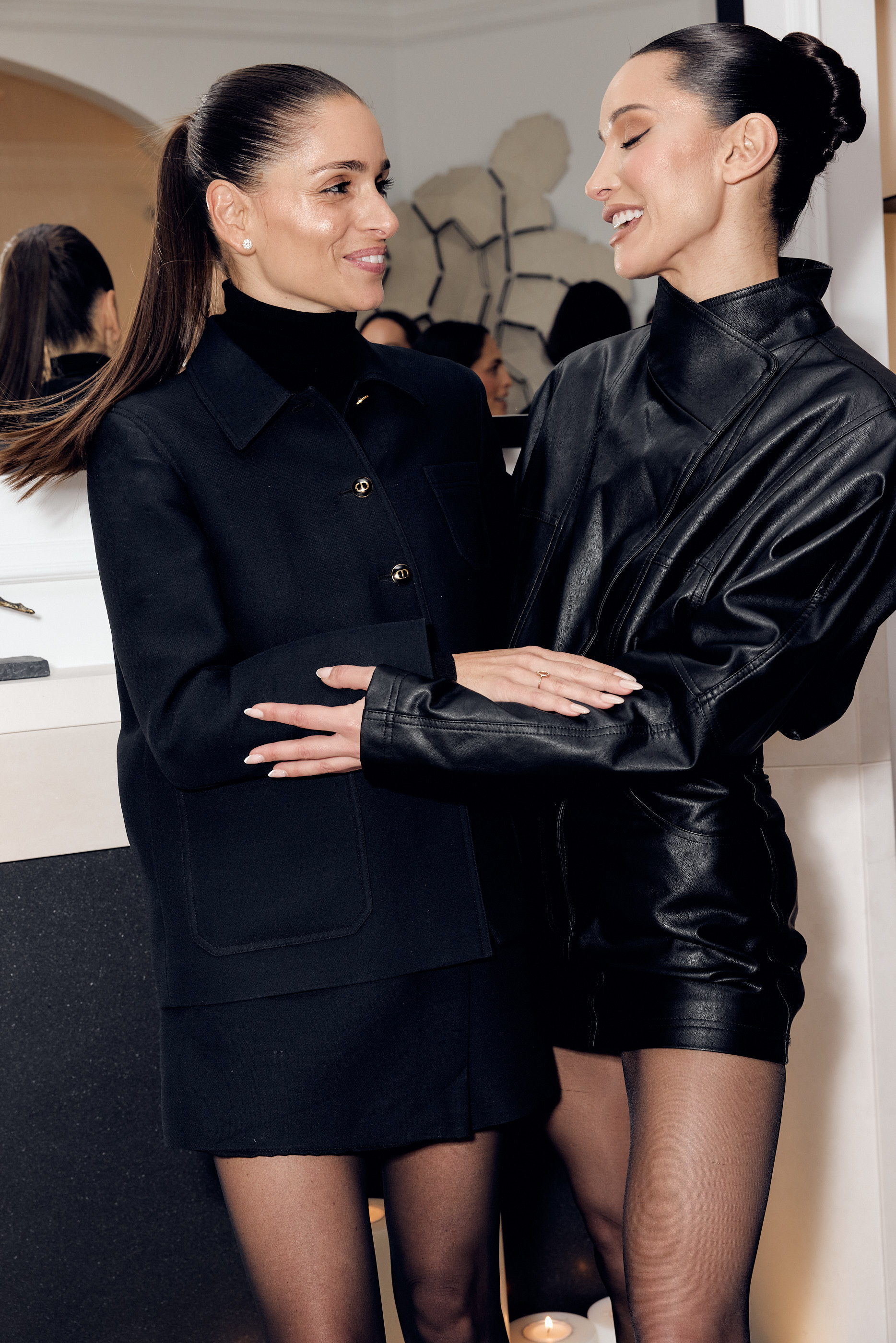
Traditional loyalty schemes that usually reward customer spend are similarly being rethought. "Rather than asking customers to earn access over time, we welcome them into our world from the very beginning," says Jennifer Chamandi, founder of her eponymous shoe brand, who opened a salon-style meeting space, The Apartment, in October 2024. "We involve them in the brand's journey through intimate events, workshops and masterclasses, creating meaningful experiences beyond the product itself. Over time, many of our most loyal clients naturally evolve into brand ambassadors with whom we build even deeper relationships."

Before you envelope your customer, however, it helps to know who they are. At Freja, a handbag label based in New York, its customer can be summed up in seven words: "women in the pursuit of something meaningful." Thoughtfulness is how the brand's founder, Jenny Lai, weaves her own worldview into Freja; "it’s how my parents showed love to me growing up. Not with praise or gifts, but attention. Noticing things and helping in a quiet way," says Lai, whose bags, "quietly make your life a little bit easier without you needing to ask. Key leashes, intuitive pockets, flap shoulder straps, and long strap drops. It all calls back to my foundational definition of care and love."
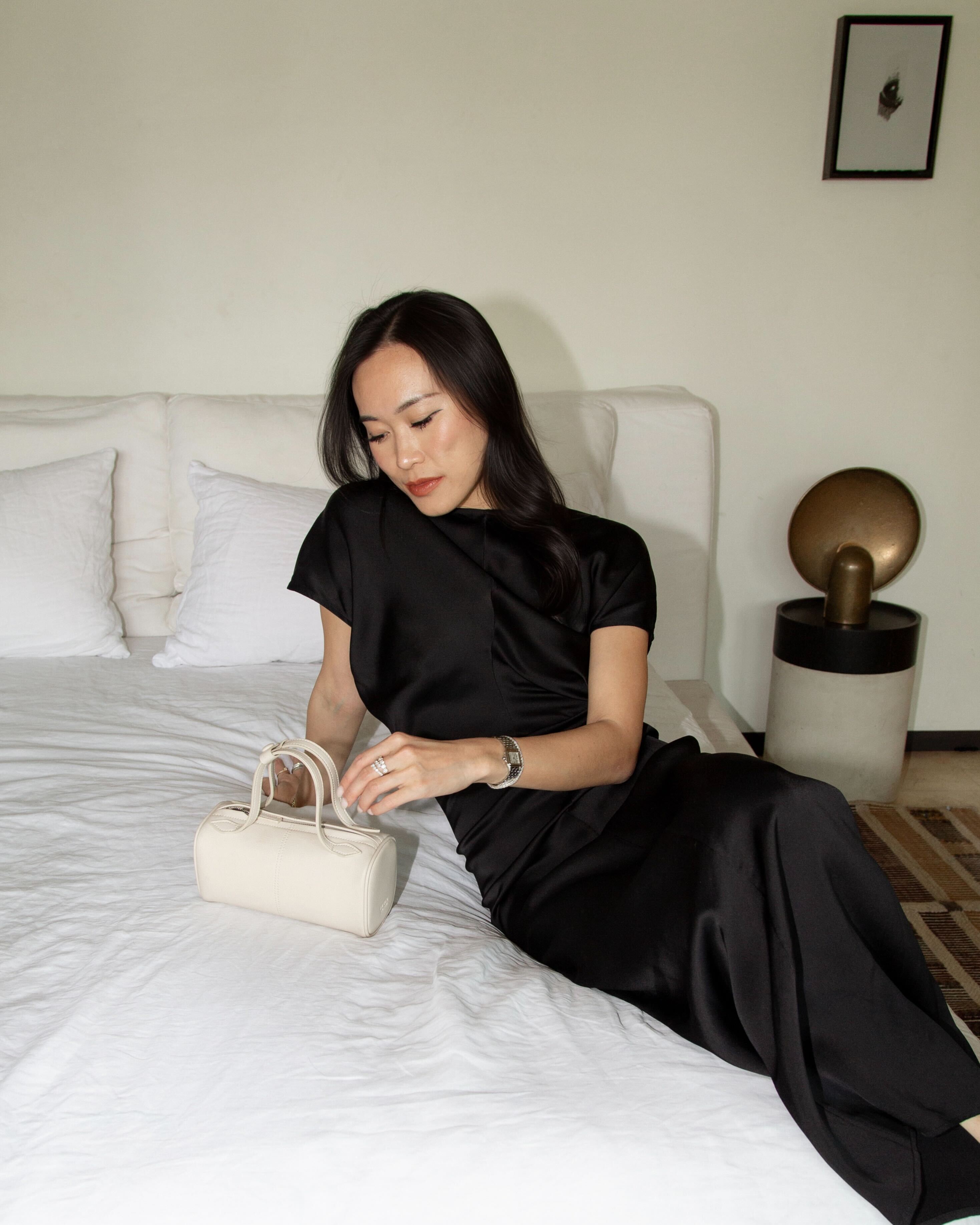
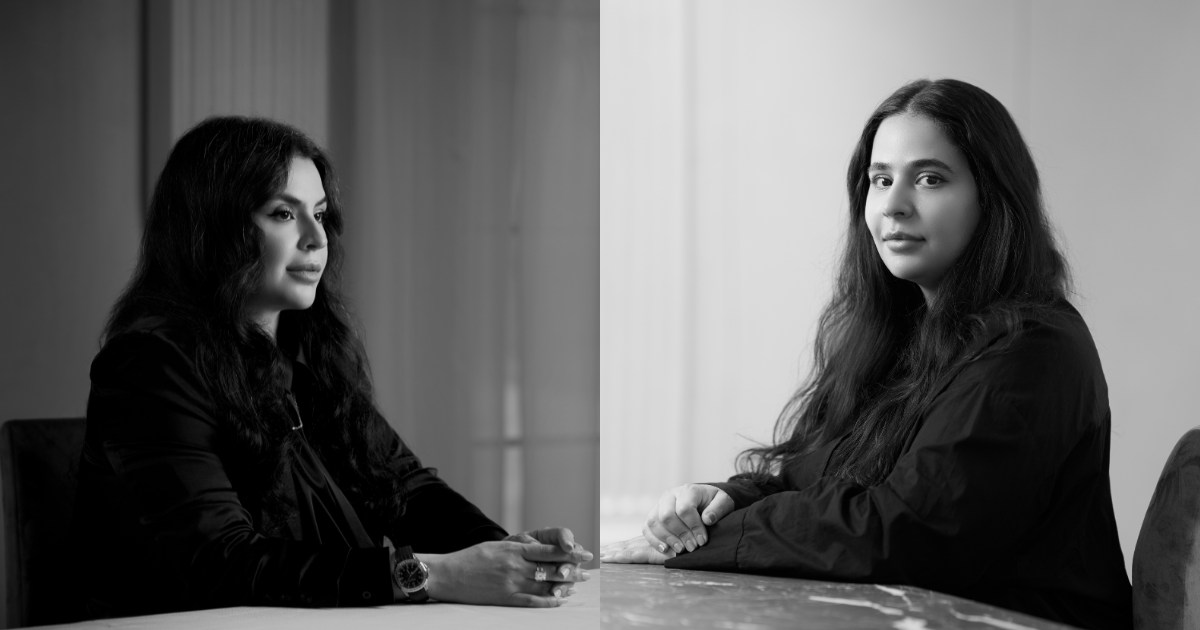
This kind of ethos can't just be at the foundation of a brand; it has to be woven throughout. "For us, culture isn’t something we consciously place into a collection. It’s already there. It lives in our instincts, our eye and the way we approach design. Every silhouette, fabric and detail carries that perspective," says the co-founder of Noon by Noor, Shaikha Noor.
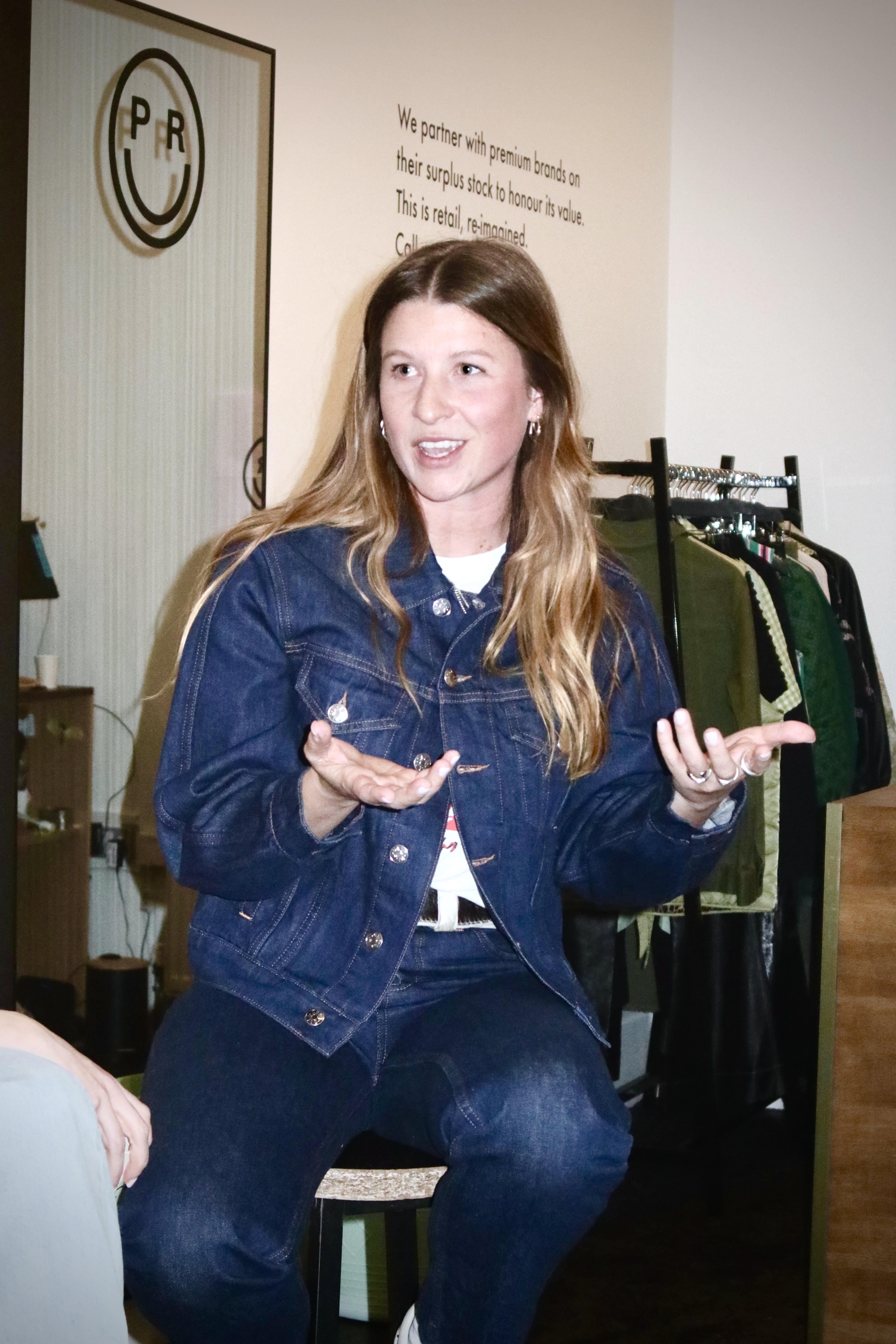
Above all, it's about humanising the customer; taking an interest that goes deeper than niceties. "Seeing people in the clothes, how they style them, learning about their lives—that's why we do this," says the founder of denim brand DALA, Rosie Ingleby. "Denim has such a history and a function—I love to find out what people do and then imagine how their jeans will look in 10 years—the fade will be so specific to their life and becomes very personal."





0 Commentaires