Ladies, for years I thought strength training for women came with an unspoken disclaimer: whatever you do, don’t get too strong.
Growing up in the early 2000s, the women I saw celebrated in magazines, on TV and even in my own circles weren't chasing muscle - they were chasing “toned”. The goal was lean, chiselled but, above all, not too visibly powerful. Having defined arms was one thing; actually wanting to build muscle felt like you were breaking some unspoken rule.
There was always this slightly irrational fear that one dumbbell curl too many and you’d wake up looking like a competitive bodybuilder overnight (if only building muscle worked that quickly). Strength was something to admire in athletes, but not necessarily something women were encouraged to pursue for themselves. Looking back, it’s strange that we spend so long treating strength as something to fear, rather than something to aspire to.
Thankfully, that narrative is changing. More women are embracing lifting heavier, understanding the value of muscle and realising that strength isn’t just about how your body looks - it’s about how your body functions. In fact, the benefits of upper-body training go far beyond aesthetics: a 2024 study involving more than 400,000 adults found that women who regularly strength trained had a 30% lower risk of cardiovascular death compared with those who didn't.
That’s exactly why fitness expert Stef Williams, founder of Weglow, believes upper-body training deserves far more attention than it gets. Building stronger arms, shoulders and back isn’t simply about aesthetics. According to Stef, it’s one of the best investments you can make in your long-term health; supporting everything from your posture and bone health to the strength you’ll rely on for decades to come.
So, I decided to take Williams's advice and make upper-body strength a priority for four weeks. What surprised me most wasn’t just the physical changes - it was the benefits I never expected to notice.
5 Benefits I Noticed After 6 Weeks of Arm Workouts
Why upper-body strength matters more than you think
As someone who’s spent years firmly in my Pilates era, I’ll admit it: I thought upper-body strength was basically a one-way ticket to toned arms. How wrong (or, at least, how incomplete) I was.
When I started looking into the research, I realised I’d massively underestimated the upper-body in my fitness regime. Mark my words, mastering the upper-body isn’t just another fitness goal; it’s a marker of health, future independence and how well our bodies age.
“One of the clearest indicators we have of long-term health, beyond the aesthetics, upper-body strength reflects how well your muscles, bones and nervous system are functioning,” says sports scientist Charlotte Gowers.
The numbers are hard to ignore. A 2018 review involving almost two million adults found that people with higher muscular strength had around one-third lower risk of dying from any cause - with the link appearing slightly stronger in women than in men.
One benefit I hadn’t considered? Upper-body strength protects the ageing skeleton, which Gowers says matters more for women. “Two words. Bone health. Women tend to think about osteoporosis when they’re much older, but the foundations are laid decades earlier,” she says. “Bone responds to load, so exercises where you press, pull and carry weights stimulate the bones of the spine and upper body in a way that walking simply doesn’t.”
And this matters as oestrogen declines during menopause, when bones become more vulnerable to loss. “Resistance training can help protect bone density, while low grip strength is linked to a higher risk of osteoporosis and fractures.”
Suddenly, rows, shoulder presses, and heavy dumbbells don’t just look like a route to toned arms; instead, an investment in the body we’re going to want for decades to come.
The Workouts I Followed
Better known to her community of more than two million followers as Stef Fit, Williams's approach to training couldn’t be more different to what I expected. Instead of encouraging me to lift as heavy as possible, she wanted me to slow everything down, focus on my form and make every single rep count.
I’ll admit it, this took some convincing. My usual mindset was simple: heavier weights must surely equal better results. But the two workouts I followed challenged that way of thinking entirely. Rather than racing through reps, I focused on strength, control and time under tension - and surprisingly, my muscles worked far harder than they ever had when I’d simply reached for the next heaviest dumbbell.
As Williams reminded me throughout, strength isn’t just about how much you lift - it’s about how you lift it.
If you'd like to try either of these workouts for yourself, you can access them for free by downloading the Weglow app.
Workout one:
What? A targeted upper-body strength session designed to build stronger, more defined shoulders and back muscles - areas that are often overlooked in women’s training.
Why? For building strength and muscle, Stef generally recommends working within the 12-15 rep range, though this can vary between 8-12 reps depending on the weight you’re using and your experience level.
How long? 20 minutes - a quick but efficient session focused on strengthening the muscles we so often neglect. "Focus on time under tension, aka how long your muscles are actually working under load," explains Williams. "Aim for 3 sets of each workout."
Equipment needed: Dumbbells and a bench.
Workout 2. Fiery Pilates Upper & Core
What? A Pilates-inspired strength flow combining resistance, mobility and core work to help build stability and control. All you'll need is some ankle weights, a pair of dumbbells, and a mat.
Why? “Strength isn’t just about lifting heavier; it’s about building a body that feels capable of holding it," shares Williams. "Don’t shy away from pauses. I personally like to hold for five seconds and release.”
How long? 12 minutes.
How often should you train your upper body?
If you’re wondering how often you actually need to pick up the dumbbells, Williams's advice has a welcome reality check for me: don’t overcomplicate it.
For beginners, she recommends starting with three full-body workouts a week that include upper-body movements.“Three times a week is a nice place to start,” she explains. Rather than splitting your week into strict “upper” and “lower” days, Stef believes there’s often more benefit in weaving upper-body work into sessions you’re already doing.
She’s also a fan of “stacking”, adding a little extra movement onto your existing routine, like finishing a strength workout with a 10-minute Pilates upper-body flow.
Her biggest advice? Keep it simple. “A lot of people think they need to do these really strict splits,” Stef says, but for beginners, that can quickly become “a lot of nothing”.
5 Benefits I Noticed After Prioritising Upper-Body Strength
After four weeks of prioritising upper-body training two to three times a week, I started noticing changes that went far beyond muscle definition…
Of course, there were obvious ones - feeling stronger, lifting heavier and finally understanding why Williams kept telling me that strength isn’t just about what you see in the mirror. But the biggest surprises were the things I hadn’t expected to notice in my day-to-day life.
1. My posture improved (more than I expected)
Posture was probably the first thing I noticed. Like many, I spend far too much time hunched over a laptop, and I’d never really thought about my upper back as something I needed to train.
But Williams says training the back is “massively overlooked” - despite being the key to supporting better posture and helping us stand taller. Strengthening those definitely neglected muscles helped me feel more supported, rather than constantly trying to “fix” my posture.
2. I felt less tension in my body
One unexpected benefit? Feeling less tightness through my shoulders and upper body.
Williams explained that improving posture can help reduce the strain we often carry around the neck and shoulders, while building a stronger core - what she describes as “the heart of your entire body” - can also support the lower back.
3. Tension headaches reduced
This was the one I really didn’t see coming. I often suffer from tension-related headaches that last for hours. Turns out, strengthening those muscles isn’t just about creating more shape - it’s about helping your body work more efficiently.
4. Everyday tasks felt easier
Carrying heavy shopping bags, carrying the dog across the pebbled beach (dog moms will understand this), and moving things around the house suddenly felt less like a challenge.
Williams says this is one of the biggest benefits of strength training: building the kind of strength that transfers into real life - the everyday moments where you need your body to show up.
5. My workout felt stronger overall
But perhaps the biggest benefit wasn’t physical at all - it was the mindset shift. For years, I’d shy away from upper-body because, like so many women, I’d bought into the fear that lifting heavier would somehow make me “bulky”. Williams tells me this remains one of the biggest misconceptions she hears when it comes to strength training - and one that still holds many women back from picking up the weights.
Six weeks later, I no longer see upper-body training as a vanity project. I see it as a building block for a stronger, more capable body - one that can support me not just now, but for years to come.
Because the real benefit I’ve discovered of getting stronger isn’t simply how your body changes in the mirror. It’s how it allows you to move through life.
Shop MC UK's workout essentials now:
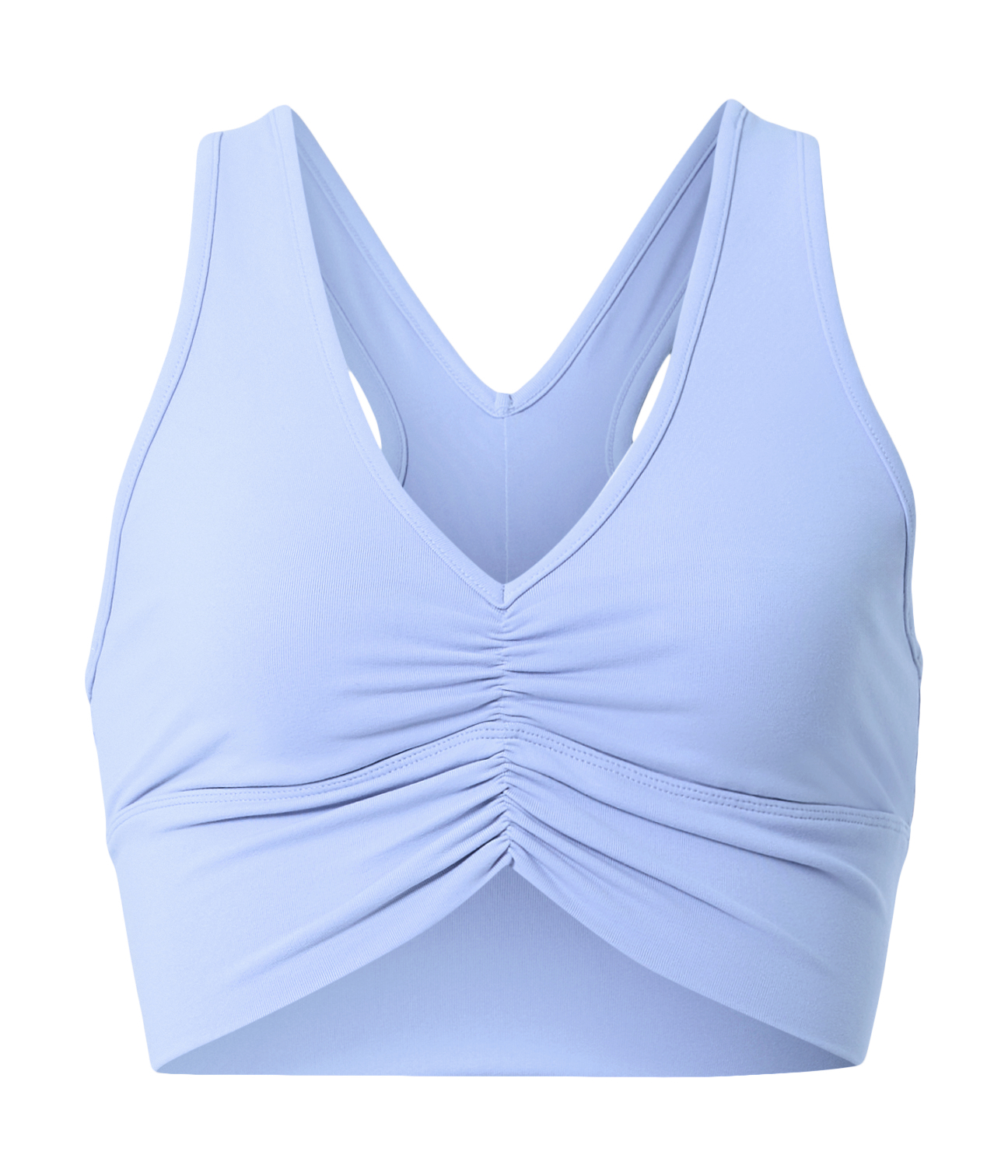
If, like me, you’re more likely to wear your activewear all day than just for your workout, this bra is worth the investment. It strikes the perfect balance between supportive and comfortable, while the crossover back makes it one of those pieces you’ll actually look forward to wearing.
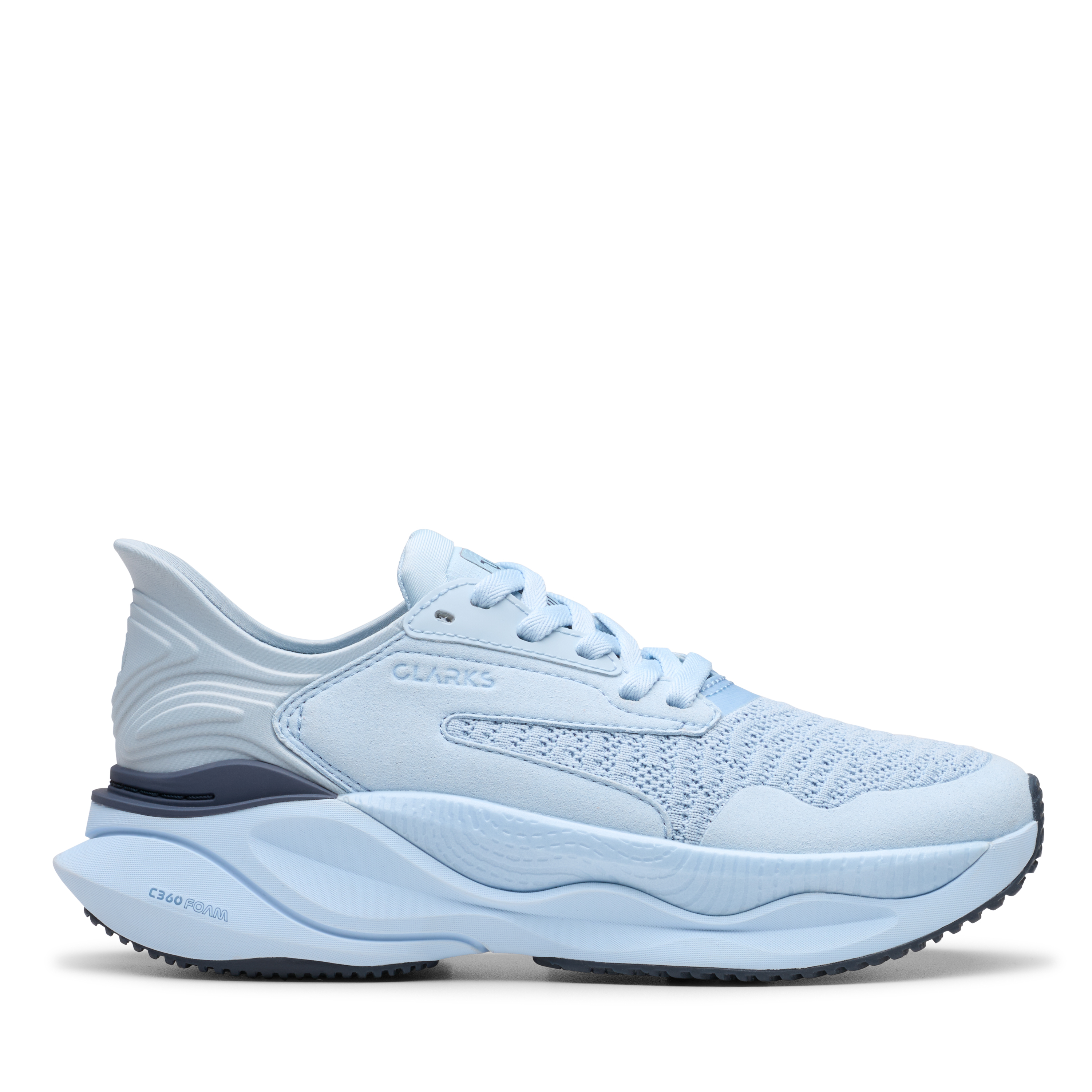
Think of these as the trainers that quietly do it all. Cushioned enough for long days on your feet but stable enough for strength sessions, they’re proof that functional footwear doesn’t have to scream “gym shoe”.
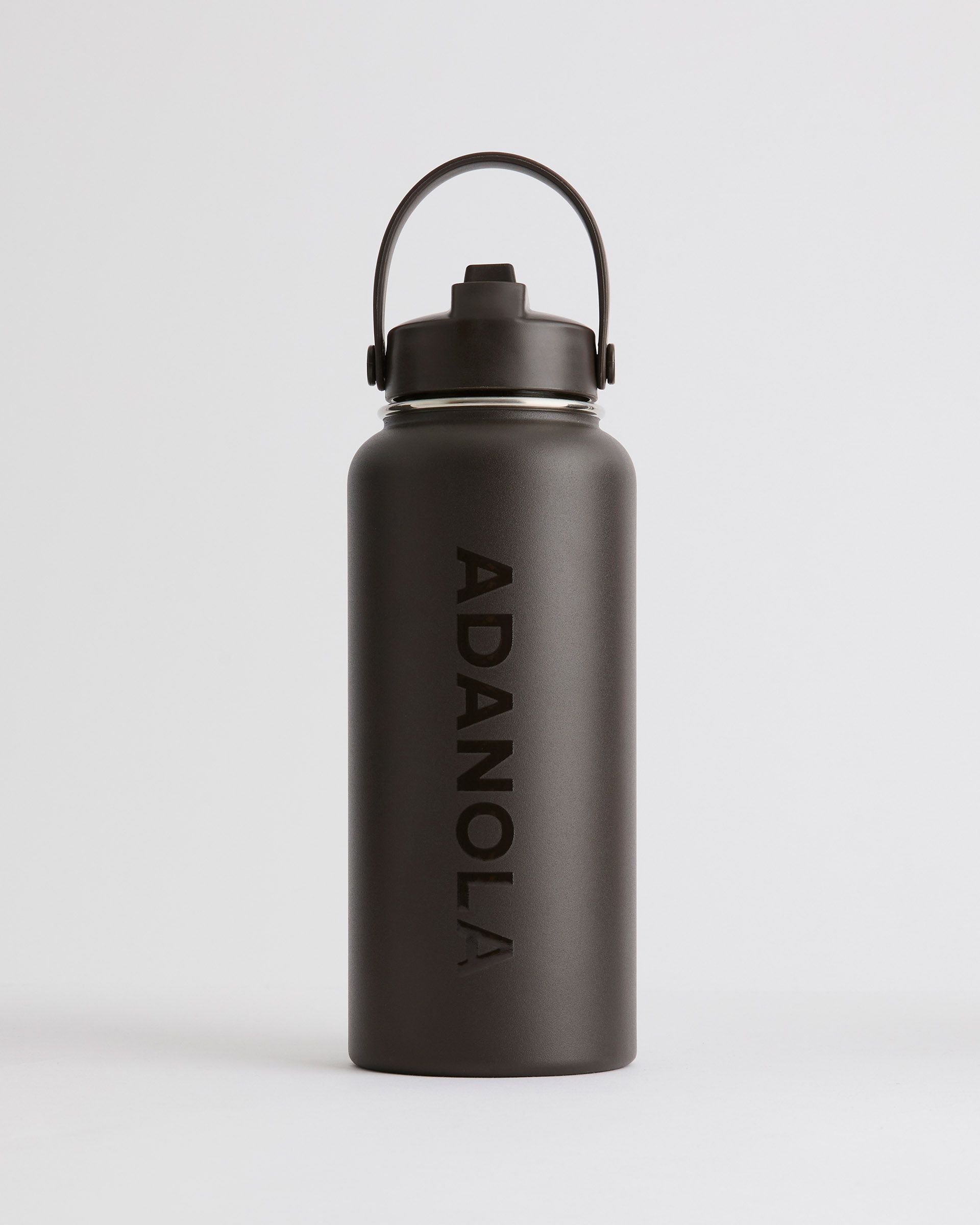
Hydration is hardly groundbreaking wellness advice, but having a bottle you genuinely want to carry around makes it that bit easier to hit your water goals. Bonus points for the sleek design that won’t look out of place on your desk, either.





0 Commentaires