I write about health and wellness for a living, and even I find the sheer amount of advice we're exposed to overwhelming. Take this supplement. Hit this many steps. Eat this much protein. Track your sleep, optimise your morning routine, monitor your recovery – and whatever you do, don't forget about your cortisol. And all of a sudden, living our healthiest lives feels like a full-time job.
I realised I wasn't the only one feeling like this after Steven Bartlett told us that two glasses of wine had ruined the better part of a week for him last month (for MC UK's scoop on that controversy, check out our full take here). I, for one, have been fascinated by the response, and I'll be real: I've been watching the growing backlash against tracking, biohacking and constant self-improvement with a sense of relief.
Women like Liz Moody have been at the forefront of the conversation, vocalising her views on the downsides of optimisation culture. Then there's nutritionist Sarah Ann Macklin, who's explored what happens when our pursuit of health starts creating anxiety rather than alleviating it (relatable, much?). There's even an emerging "unquantified self" movement, which essentially encourages us to stop obsessing over the numbers and start paying attention to how we actually feel.
As someone who recently stopped wearing her Apple Watch because the sleep data became one more thing to worry about, I can relate. And so I started thinking: what would happen if I stopped trying so hard to be "well"? To be clear, I wasn't about to spend a month surviving on wine and takeaway in the name of rebelling against wellness culture. Instead, I wanted to strip things back – move when and how I fancied, eat intuitively, rest when I needed to, and generally embrace a good old-fashioned 80/20 approach to life.
So, for one month, that's exactly what I did. No tracking, no obsessing over whether I'd moved "enough", and no trying to squeeze every last health benefit out of my day. Could taking my foot off the wellness accelerator actually make me feel better? Keep reading to find out.
I opted out of wellness optimisation for a month–why it's one of the best things I've ever done
What is wellness optimisation?
First, let's talk about the difference between wellness and wellness optimisation. Jamie Janko is a breathwork expert, wellness educator and founder of Rewild Breathwork, and she makes an important distinction between the two.
"Wellness is about caring for ourselves, but optimisation suggests there is always something that could be improved. And this is where it can get tricky," she said to MC UK.
When we tag the word optimisation onto the end of wellness, the focus shifts towards improving, measuring and fine-tuning our healthy habits – think sleep scores, step counts, supplements, recovery metrics and carefully honed routines.
As stress, burnout and wellness coach Bianca Topham explains: "When we optimise something, we try to improve it to the best of our ability. Wellness optimisation therefore needs ongoing work, change, enhancing, adjusting and monitoring."
Are there any benefits to wellness optimisation?
Sounds pretty intense, right? Well, before we get into the drawbacks of wellness optimisation, it's worth noting that there could be some benefits here – with the right approach.
After all, paying attention to our wellbeing isn't a bad thing. "When we look after areas such as our sleep, movement, nutrition, stress and emotional wellbeing, it can have a positive knock-on effect on how we feel and function in other areas of our lives," Topham summarises.
There is a case for tracking here, too. Dr Divpreet Sacha of Her Holistic Health points out that "monitoring things like our steps, food or sleep makes you notice things about your own behaviour you'd otherwise miss." One 2018 study of 1,768 people found that self-monitoring can encourage us to reflect on our behaviour and become more aware of our health habits, for example.
And you don't necessarily need months of data to experience some benefit. A 2019 randomised trial found that wearing a fitness tracker for just two weeks had a "statistically small but significant" positive effect on participants' perceived physical health and sense of accomplishment.
So, wellness optimisation isn't inherently the villain of this story. The sweet spot seems to be using these tools to support how you feel, rather than allowing the numbers to dictate whether you've had a "good" or "bad" day.
What about the drawbacks?
And here's where things get complicated. There’s a pretty big difference between noticing that you feel better after eight hours of sleep and feeling like you've somehow failed because your watch awarded you a sleep score of 72. I know this one first-hand – it's precisely why I stopped wearing my Apple Watch to bed.
"The problem begins when awareness turns into surveillance, comparison and perfectionism – and a feeling there’s always something to fix," Janko tells me. Constantly tracking ourselves can, she says, create a kind of hypervigilance around our health, where suddenly nothing feels quite good enough.
Interestingly, the same 2018 study I mentioned above found downsides alongside the benefits of self-monitoring. Participants described tracking as tedious, demotivating and, in some cases, something that could encourage obsessive behaviour – a useful reminder that more information doesn't necessarily equal better wellbeing.
Sleep tracking offers a particularly interesting example. "There’s even a term that has emerged around it: orthosomnia," says Janko. Researchers first used the term in a 2017 paper after seeing patients become so preoccupied with perfecting the sleep data on their trackers that it appeared to increase sleep-related anxiety, making getting a good night's rest harder. Sounds a bit counterproductive, doesn't it?
And it's not just about the numbers. As Topham points out, trying to optimise everything can turn looking after ourselves into a heavy mental load. "Did I get quality sleep? Move enough? Eat correctly? Meditate? Get enough daylight? Have caffeine at the right time?" she says. "Too much of this can feel like looking after ourselves is a chore on yet another to-do list."
It also raises an interesting question about what healthy living actually looks like. The much-discussed Blue Zones framework, for example – those are the areas of the world with the highest concentration of centenarians, F.Y.I. – focuses on decidedly low-tech habits associated with healthy ageing. Think: natural everyday movement, strong social connections, a sense of purpose, nutritious food and ways of managing stress. While the Blue Zones concept itself has attracted some debate, those underlying lifestyle principles overlap heavily with established lifestyle-medicine recommendations.
In other words, a healthy life doesn't necessarily need to be a meticulously measured one.
@_ausmad optimization culture has gone way too far
♬ good days - Instrumental - afterlives
Opting out of wellness optimisation for one month–my review
Weeks one and two
In a bid to embrace intuitive living, the first thing I did when starting my month-long experiment was to ditch the trackers. No step count, no sleep data, no checking whether I'd moved "enough" by the end of the day. I still made a point of getting outside for fresh air and moving regularly, but I tried to let wanting a walk be enough of a reason to take one. It probably doesn't come as a surprise to hear that this felt great.
Food got the same treatment. I'm aware that a savoury, protein-heavy breakfast might tick more nutrition boxes, but do you know what I actually want first thing in the morning? Granola, Greek yoghurt and berries. So that's what I started having. I also stopped expecting myself to conjure up fabulously nutritious dinners seven nights a week. Some evenings, a simple meal requiring minimal thought was exactly what I needed – and reducing even a little bit of daily decision-making felt freeing.
That didn't mean throwing everything I know about nutrition out of the window. I still ate plenty of whole foods and tried not to make ultra-processed foods the backbone of my diet, but if they cropped up? I didn't berate myself. The same applied to sleep. I went to bed when I felt tired and, perhaps more importantly, stopped conducting a post-mortem the following morning on exactly how many hours I'd managed. Slowly, the question of "have I done enough to be healthy today?" started being replaced by a much simpler one: how do I feel?
Weeks three and four
By the second half of the month, I was getting better at listening to what my mind and body actually wanted. Movement was one of the clearest examples. I'm usually very conscious of fitting strength training into my week – we've all heard by now how important maintaining muscle is – but on week three I realised I'd played tennis, gone swimming and been for a run without doing a single strength session.
Usually, this could have sent me on a spiral of doubt, but this time, I chose to listen to how I felt, which was good. I'd chosen three forms of exercise that I genuinely fancied doing, and I finished the week feeling energised rather than guilty about the workout I'd supposedly missed. I was surprised that giving myself permission to move intuitively meant I ended up doing more cardio than usual – who knows, maybe simplifying my choices had given me more energy than usual?
There were social wins, too. I drank a couple of glasses of wine in the garden with friends over dinner and can happily report that, contrary to Steven Bartlett's experience, my life was not derailed for the following three days. I enjoyed myself, went to bed, woke up and carried on with my life (revolutionary stuff).
By week four, I realised opting out of wellness optimisation hadn't made me abandon my health. If anything, I felt more connected to it. I was still moving, eating nourishing food, sleeping and getting outside – I just wasn't constantly evaluating how well I was doing these things. And that distinction, for me, turned out to be pretty profound.
If you've been finding healthy living just a little too much recently, I highly recommend you try a more intuitive approach. Trust yourself, and do what makes you feel good – it's worked wonders for me.
Shop my current favourite wellness essentials here:
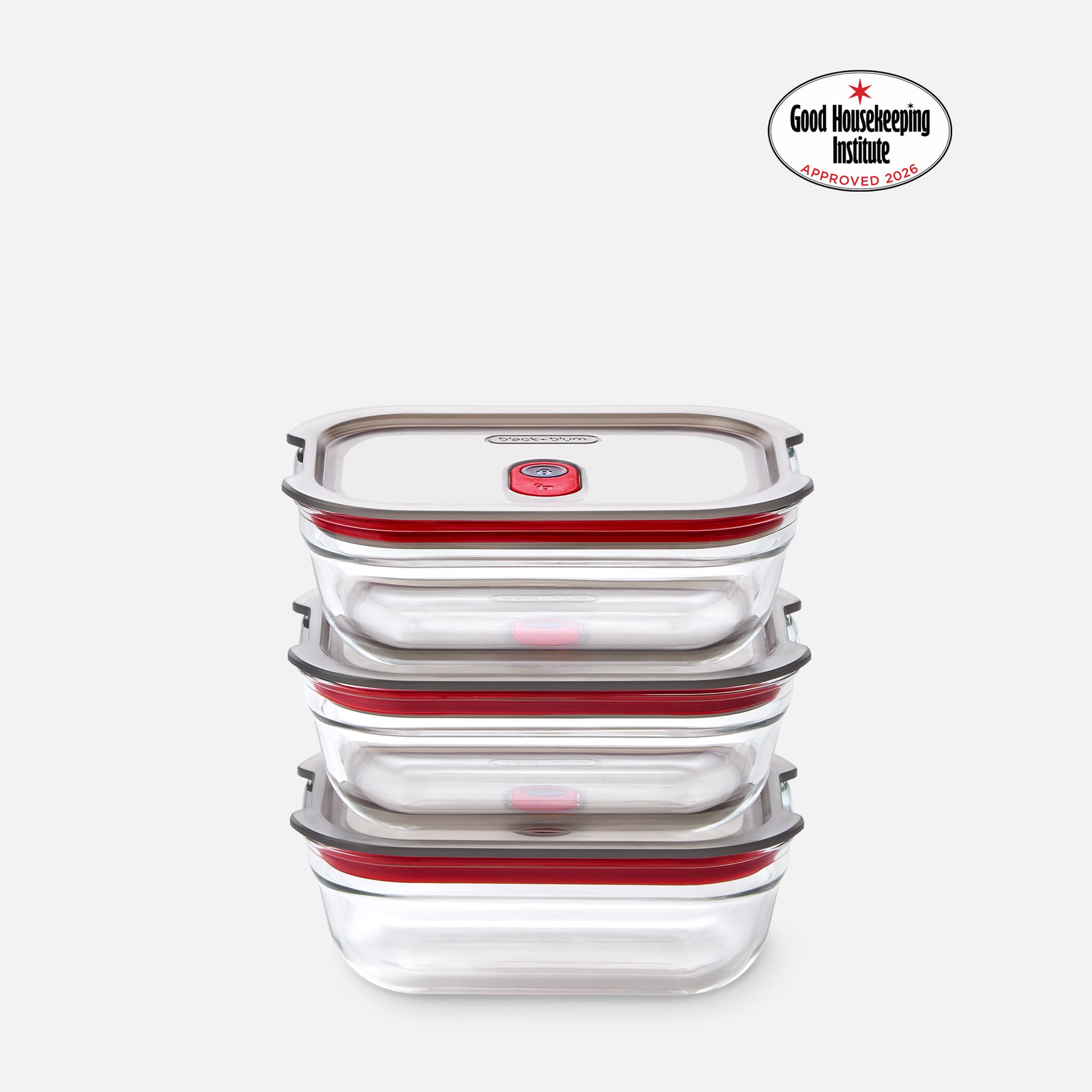
Since getting my hands on the Black+Blum glass food containers, they've made a world of difference to my meal prep routine. I can heat up my lunch straight in them, and they keep my fridge satisfyingly organised.
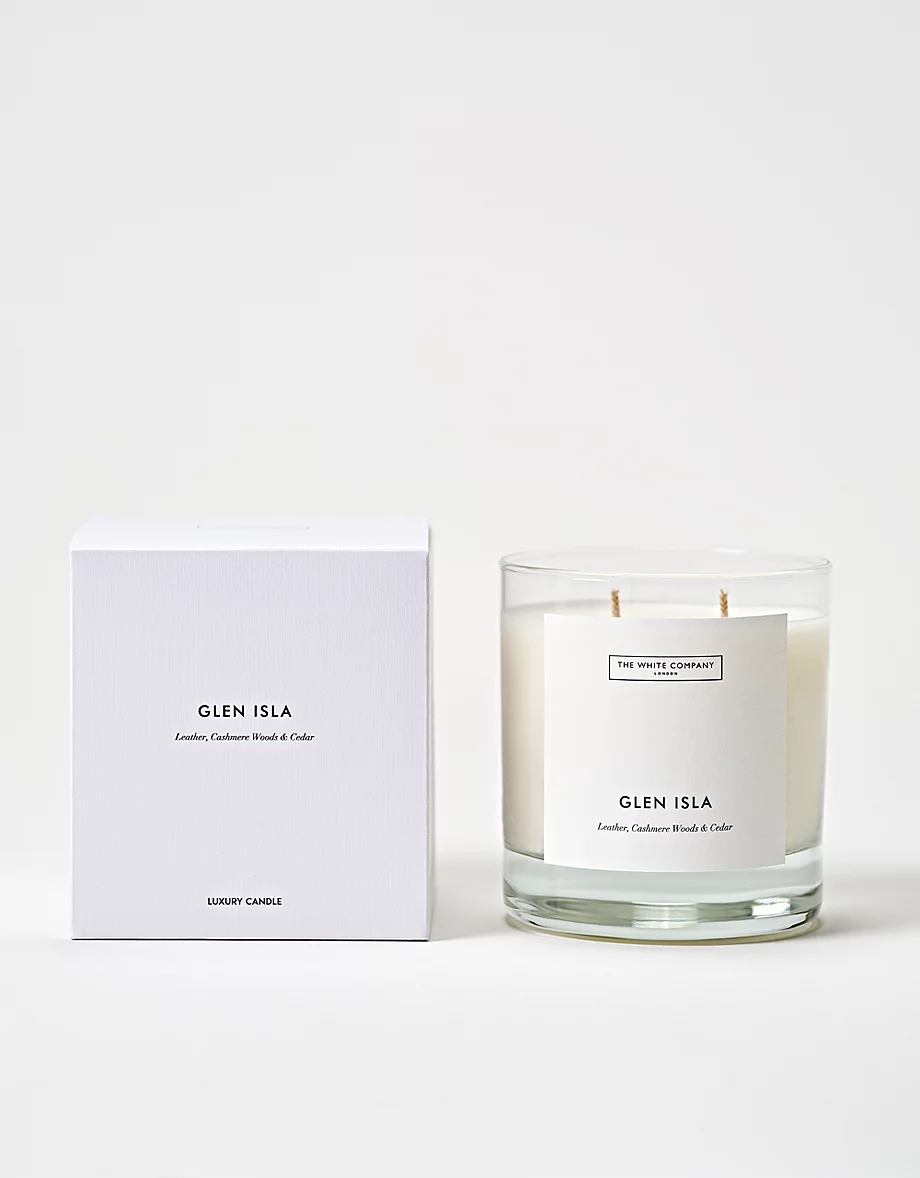
I've appreciated the small things so much more since changing my approach to wellness, like lighting a candle at the end of a long day – especially when I'm lucky enough to have a luxury candle on rotation. This new scent from The White Company is simply heaven.
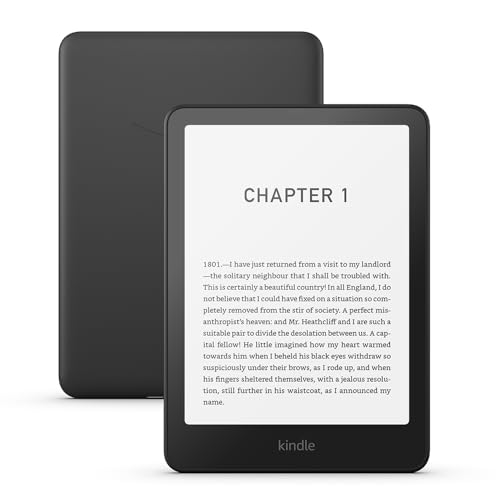
My Kindle has genuinely been my best friend this year. Don't worry, I'll still return to a good old-fashioned paperback now and then, but it's helped me read a lot more. It's the best thing for helping me switch off before bed.
How can I make wellness feel good for me?
I may be shifting away from wellness optimisation, but I'll never abandon wellness altogether. I've simply learnt an important lesson: that wellness should make us feel good. If it stops feeling good, it may be time to strip things back.
Try asking yourself some questions (I'm a sucker for a good journal when it comes to this kind of self-reflection). What actually makes me feel well? What am I doing because it supports me, and what am I doing because I feel I should? And if I stopped trying to improve myself for a moment, what would I want to experience instead?
These questions come from stress and burnout coach Bianca Topham, who says that we should use wellness to lift ourselves up – not put ourselves down.
"Maybe when it comes to wellness, we don’t need to always be doing more and feeling productive," she says. "Part of wellness also means laughing and spending time with people you love, moving because it feels good, being fully present, listening and responding to what our body tells us or moving with the natural ebbs and flows of life."





0 Commentaires