A staggering 72% of women change their outdoor activity routines during winter due to safety concerns. It’s a sobering statistic to consider as we approach Daylight Saving Time on Sunday 25 October, when the clocks go back in the UK and afternoon twilight hours inch closer.
For many women, the arrival of winter means reconsidering evening runs, rearranging gym sessions and finding new ways to stay active without compromising their personal safety. As a Health Writer and keen runner, it’s a chilling and frustrating reality that I still struggle to wrap my head around. Why should the changing seasons dictate when, where and how women feel comfortable exercising?
But personal safety isn’t the only reason the clocks changing can feel particularly frustrating for women. There’s another, less obvious factor at play: our biology. And while I’m all for hunkering down during cosy season, I find it frustrating that just as our social feeds become a constant stream of wellness challenges like The Great Lock-In and the Winter Arc, I’m often left feeling uncharacteristically tired and sluggish. Coincidence? Perhaps not.
Scientific research suggests women’s internal body clocks naturally run slightly earlier than men’s, which could make changes to our sleep-wake cycles particularly disruptive. A further study found that women tended to sleep less during the working week following the clock changes, while men actually slept more. The effect was most noticeable in spring, but a similar pattern emerged in autumn.
With our circadian rhythms influencing everything from sleep and mood to reproductive hormone regulation, could that seemingly harmless one-hour shift be having a bigger impact on women’s health than we realise? To find out, I spoke to experts about the science behind seasonal sleep disruption, why women’s bodies may respond differently, and the simple ways we can prepare ourselves for the darker months ahead.
While you're here, you might find this deep dive into circadian fasting interesting. We've got guides to sleepmaxxing, science-backed antidotes to optimisation culture and micro-habits that could positively impact your hormone health, too.
Do The Clocks Going Back Really Impact Women More Than Men?
Our bodies run on an internal 24-hour clock, known as our circadian rhythm, which helps regulate everything from sleep and alertness to body temperature and hormone release. It's largely guided by natural light, which is why the transition into darker seasons can leave us feeling a little off-kilter.
“When the clocks go back, our body clock doesn’t change when the clocks do, so the two briefly fall out of sync,” explains Dr Helen O'Neill, co-founder and CEO of Hertility. “Most people realign within a week, but the loss of evening daylight as winter sets in has a longer-lasting effect.”
Interestingly, research has found that women's internal body clocks tend to run slightly earlier than men's, meaning they're generally more inclined towards earlier bedtimes and mornings. But does that mean we're biologically more sensitive to the clocks changing?
“It's more complicated than a simple yes,” says O’Neill. "Hormones affect sleep across the cycle, pregnancy and perimenopause, but social factors matter just as much; women also still carry more caring responsibilities and night-time waking, which fragments sleep.”
What Is the Impact of Winter Darkness on Women's Hormones?
For people who menstruate, our body clocks are closely connected to the hormones that regulate our menstrual cycles, which means changes to our sleeping patterns can have a knock-on effect on how we feel.
Our circadian rhythms work alongside reproductive hormones such as oestrogen, luteinising hormone (LH) and follicle-stimulating hormone (FSH), which play important roles in everything from egg development to ovulation. Research suggests that how much we sleep, and when we naturally prefer to sleep, may influence these hormonal patterns.
“Light is one of the most important signals that keeps our circadian rhythm clock synchronised with our environment,” explains women's health and menopause expert Dr Shirin Lakhani. As the days get shorter, reduced exposure to natural light can influence when our bodies release melatonin (the hormone that helps regulate sleep), potentially affecting everything from our energy levels to our mood.
That said, there’s a difference between the effects of long-term sleep disruption and a one-hour clock change. While research has linked prolonged disruption to changes in reproductive hormone patterns, there's not yet enough evidence to suggest that the clocks going back alone will significantly alter your hormone levels.
Can the Clocks Going Back Affect Your Period, Mood and Energy Levels?
“Poor-quality or insufficient sleep can affect mood, concentration, energy levels and our ability to cope with stress, potentially making premenstrual symptoms feel more difficult to manage,” explains Lakhani.
For women who experience premenstrual syndrome (PMS) or premenstrual dysphoric disorder (PMDD), that could mean more noticeable brain fog, irritability or fatigue when sleep is disrupted.
And it's not just our sleep patterns at play. Shorter days mean less natural light, which can also influence mood and energy levels. So, if your motivation to exercise tends to nose-dive along with the summer sunshine, there might be more to it than simply missing the warmer weather.
Why Might Menopausal Women Feel the Clock Change More?
Hot flushes, night sweats and disrupted sleep are already familiar symptoms for many, and the seasonal shift towards shorter days may add another layer of difficulty.
“In perimenopause, falling progesterone can disrupt sleep and shifting oestrogen triggers night sweats, so seasonal changes hit a system already under strain," explains O'Neill. "This stage also brings an increased risk of low mood, which shorter days can add to.”
And it’s not necessarily just a case of struggling to nod off. As Lakhani explains, changing hormone levels can cause women to wake repeatedly throughout the night, making a decent night's sleep increasingly difficult.
“When we add darker mornings, reduced daylight exposure and changes to daily routines, it may become harder for some women to maintain a consistent sleep-wake pattern,” she adds.
The TLDR? Poor sleep can leave you feeling more tired and emotionally drained during the day, while menopausal symptoms make a restful night harder to come by. The clock change isn’t necessarily responsible for those symptoms, but it could introduce another unwelcome disruption to an already unsettled sleep routine.
How to Prepare Your Body for the Clocks Going Back, According to Experts
1. Make the Most of Morning Daylight
If there’s one good reason to resist the snooze button this winter, it’s this. “Try to get natural light soon after waking,” recommends O’Neill. Daylight helps regulate our internal body clocks, so getting outside for a morning walk, a coffee run, or even a few minutes of fresh air can help your body adjust to the darker months.
2. Keep Your Sleep Routine Consistent
An extra hour in bed might sound like a treat, but O’Neill explains that it doesn’t necessarily translate into an extra hour of sleep. Many of us continue waking at our usual body-clock time, even after the clocks change. Her advice? Stick to regular bedtimes and wake-up times, and limit alcohol and late caffeine, particularly if you're already experiencing disrupted sleep. Most people adjust to the new clock time within a week.
3. Consider Supplementing With Vitamin D
O’Neill recommends following NHS guidance to consider taking 10 micrograms (400 IU) of vitamin D daily between October and March, when sunlight in the UK isn’t strong enough for our bodies to make sufficient amounts.
“Lower vitamin D over winter may also contribute, as it has been linked to worse PMS symptoms,” she adds. And if sleep problems, low mood or menopausal symptoms are interfering with daily life, it’s worth speaking to your GP rather than simply blaming the season.
Shop MC-UK approved sleep products now:
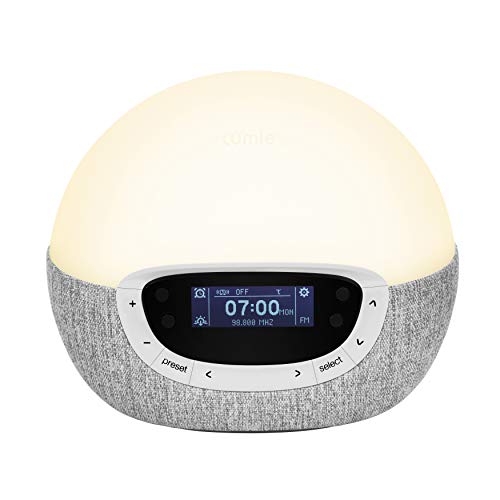
MC has long backed Lumie's sunrise alarm clock, which gradually brightens your bedroom before your alarm goes off, mimicking a natural sunrise to help you wake more gently and make those darker mornings feel a little less daunting.

If you struggle to wind down at bedtime, a weighted blanket might be worth trying. The gentle pressure helps relax the body and can feel comforting, particularly when your sleep routine feels a little out of sync.

With less sunlight during autumn and winter, our bodies produce less vitamin D, an essential nutrient that supports healthy bones, muscles and immune function. Keeping levels topped up is particularly important during the darker months, when getting enough vitamin D from sunlight alone becomes difficult.
How long does it take your body to adjust to the clocks going back?
According to Dr Helen O'Neill, most people adjust to the clocks going back within a week. However, the transition isn't always instant. Our internal body clocks don't automatically change when the clocks do, meaning we might feel slightly groggier or notice changes to our usual sleeping patterns for a few days. Sticking to consistent bedtimes, getting plenty of natural daylight in the morning and limiting late caffeine can help ease the adjustment.


0 Commentaires