On safari, you spend a surprising amount of time waiting. It started the moment I stepped off the plane, waiting for my luggage.
After three increasingly desperate circuits of the baggage carousel, it became clear that while I'd made it to Kilimanjaro Airport, my suitcase had not. Around me, a gaggle of befuddled travellers formed. Rumours spread, predictions were made (the winning guess being that yes, our luggage wouldn't arrive for at least another 72 hours). As more disgruntled passengers joined our little union, I became something of an authority on the situation. I knew nothing, but why let a lack of knowledge get in the way of a leadership position?
At the time, losing my luggage—or rather, KLM losing my luggage—felt irritating, but in hindsight it seems like an appropriate introduction to safari, which, I'd learn, involves an astonishing amount of waiting. There's waiting for luggage, waiting for weather, waiting for movement, waiting for animals; waiting for something to happen.
I didn't know it yet, but I arrived in Tanzania needing exactly that lesson.
I wanted Tanzania to change my outlook on life, broaden my horizons. Ultimately, I wanted it to make me happier. That's an enormous burden to place on a holiday, but perhaps a distinctly modern one. Increasingly, we don't simply want experiences to entertain us; we want them to transform us. We want our holidays to return us to our lives as better versions of ourselves.
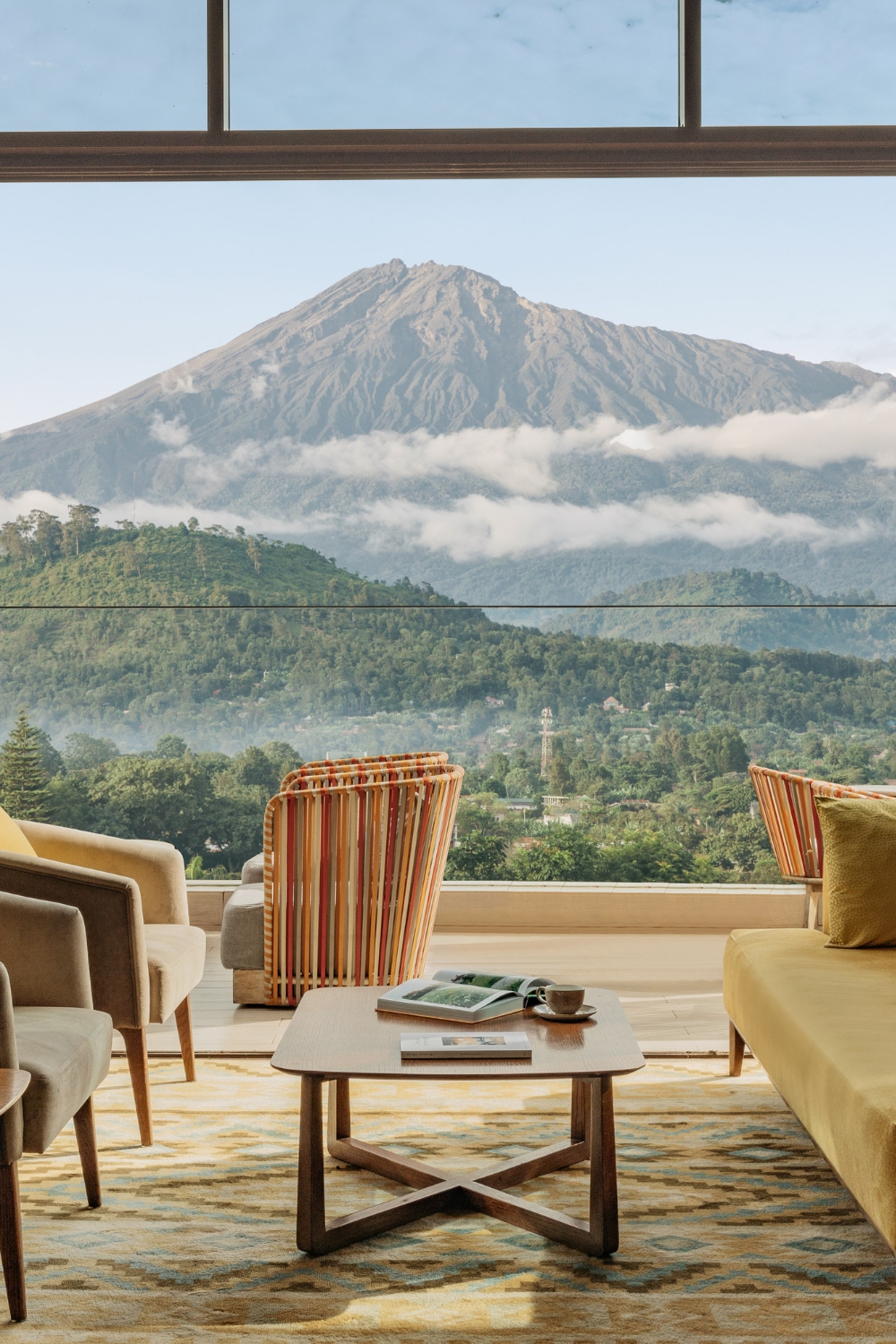
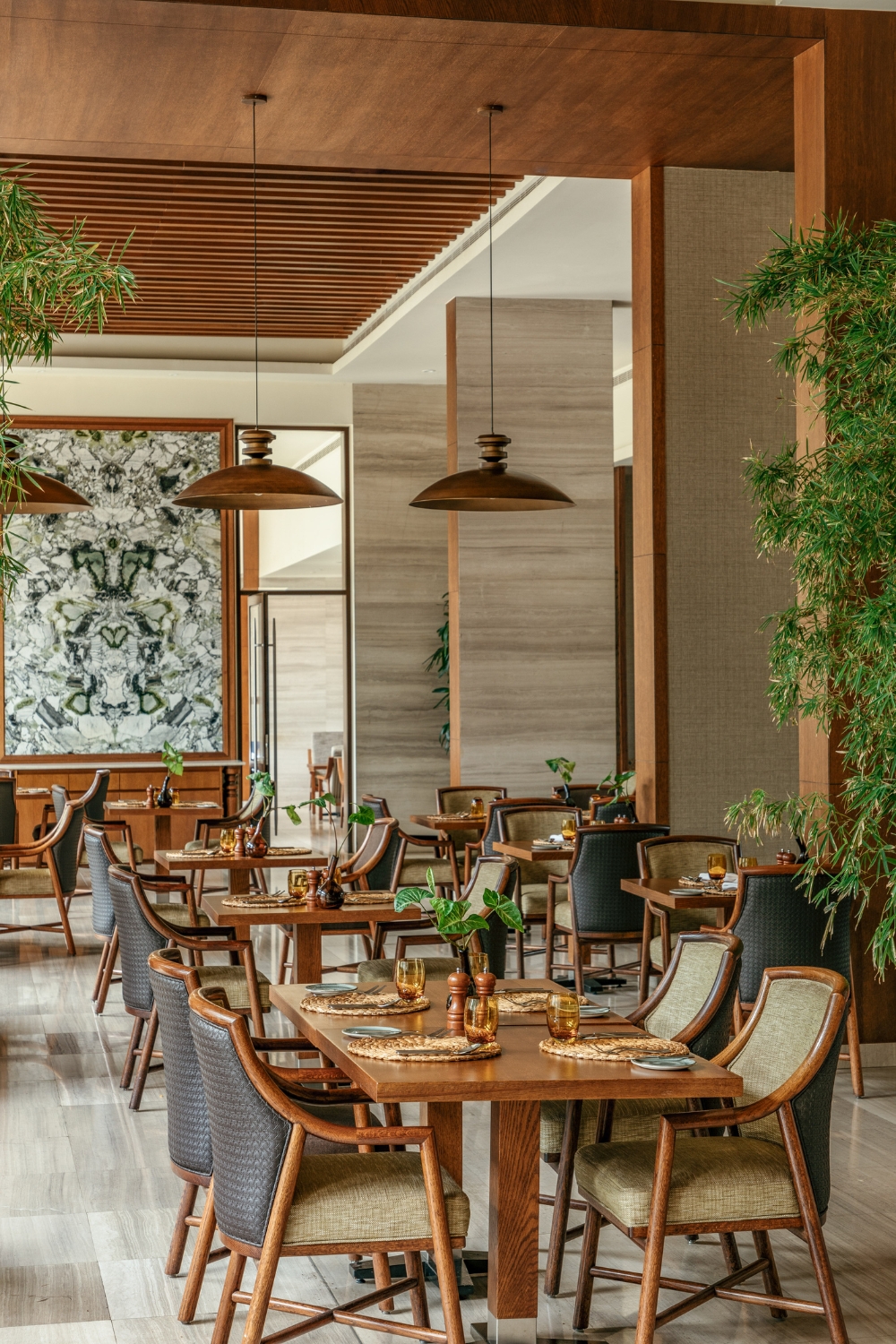
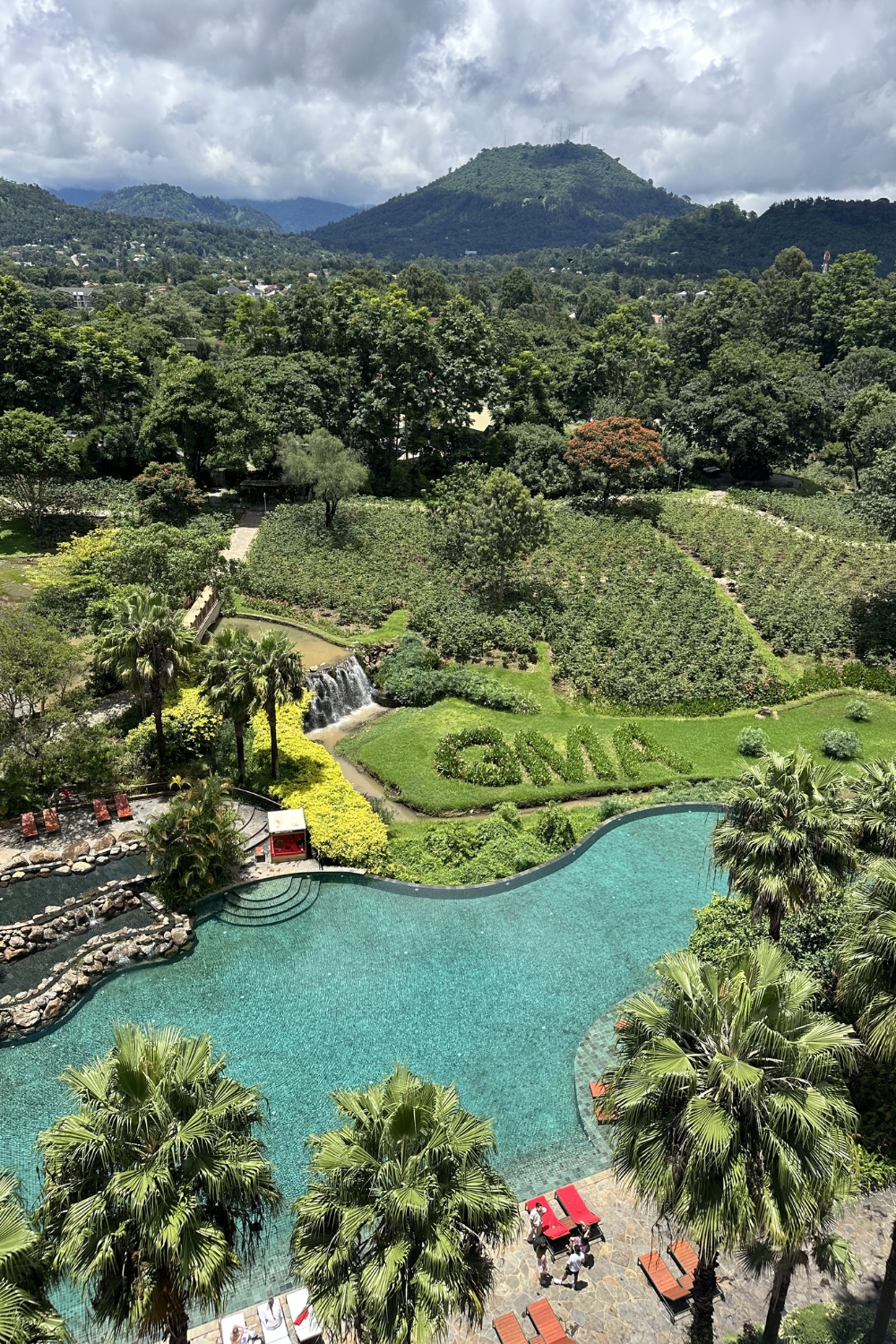
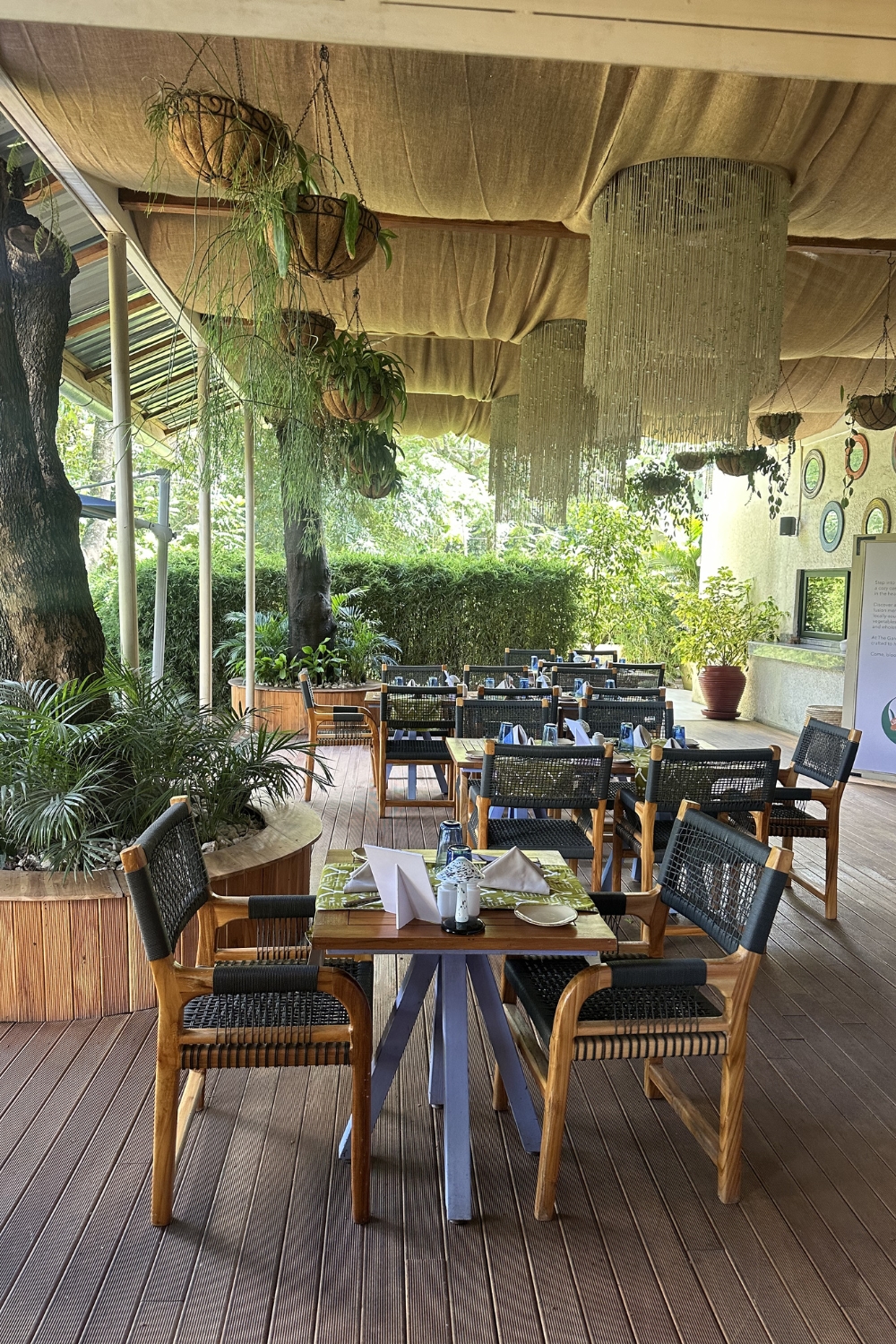
At Gran Meliá Arusha, each morning began with the aroma of coffee harvested on the estate, poured into mottled glass coffee cups handblown by artisans from Sanaa—a pioneering on-site social enterprise that teaches traditional crafts to disabled locals. On the rooftop, we’d gorge on fresh pastries, tropical fruit, eggs cooked to order, and uji, a warm millet porridge lightly spiced with cardamom and cinnamon as Mount Meru hovered in and out of the misty view. It was the last place where my usual pace made sense. I was in Tanzania, but mentally still in London, refreshing emails, thinking about deadlines and wondering what I was going to do with all these experiences—how I might turn them into something.
Even on the drive from Gran Meliá Arusha to Ngorongoro, I found myself caught between observation and expectation. Outside the window were flooded roads, livestock, motorbikes and Maasai children shepherding cattle through impossibly vivid landscapes. I was in awe, but overwhelmed by the desire to capture everything.
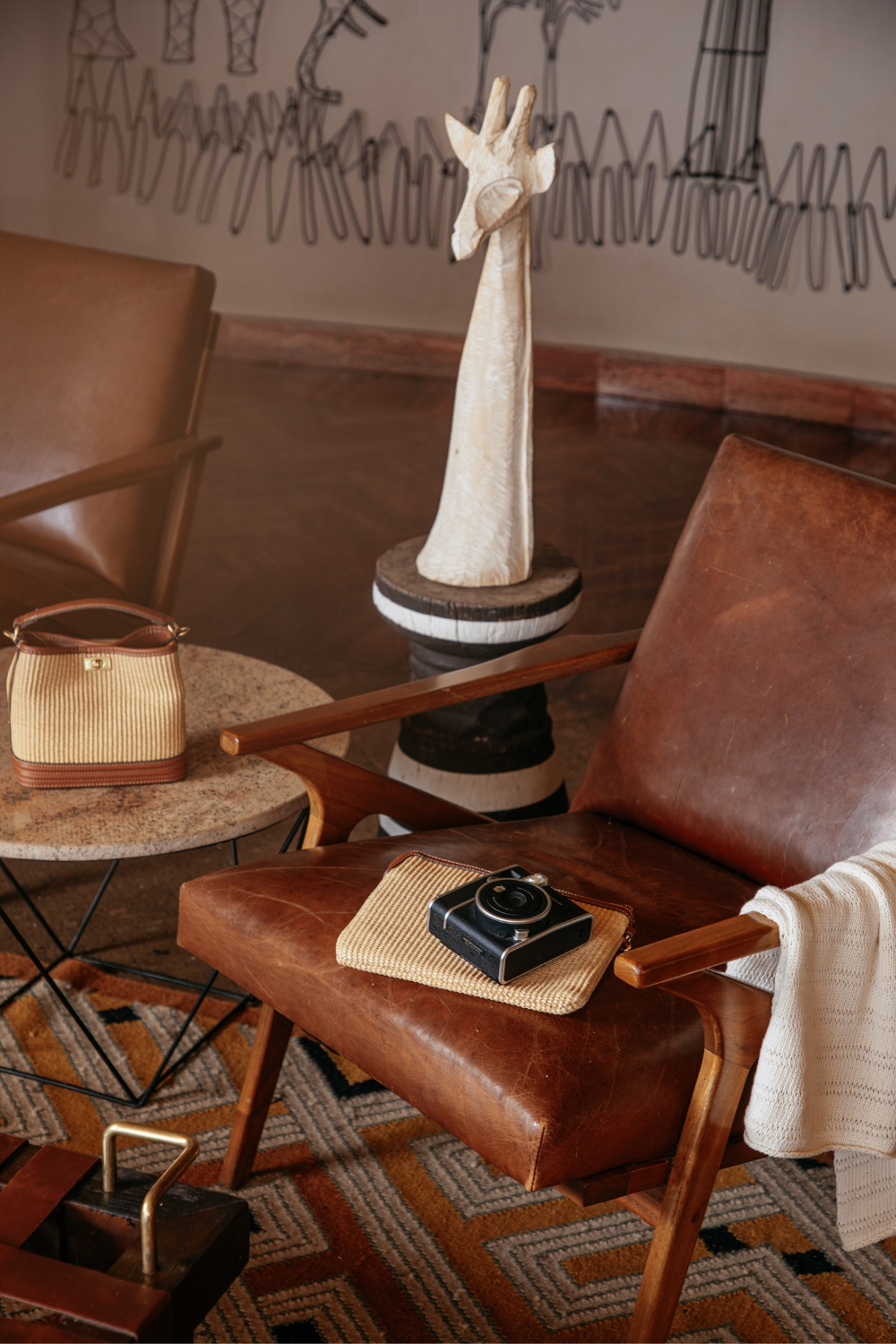
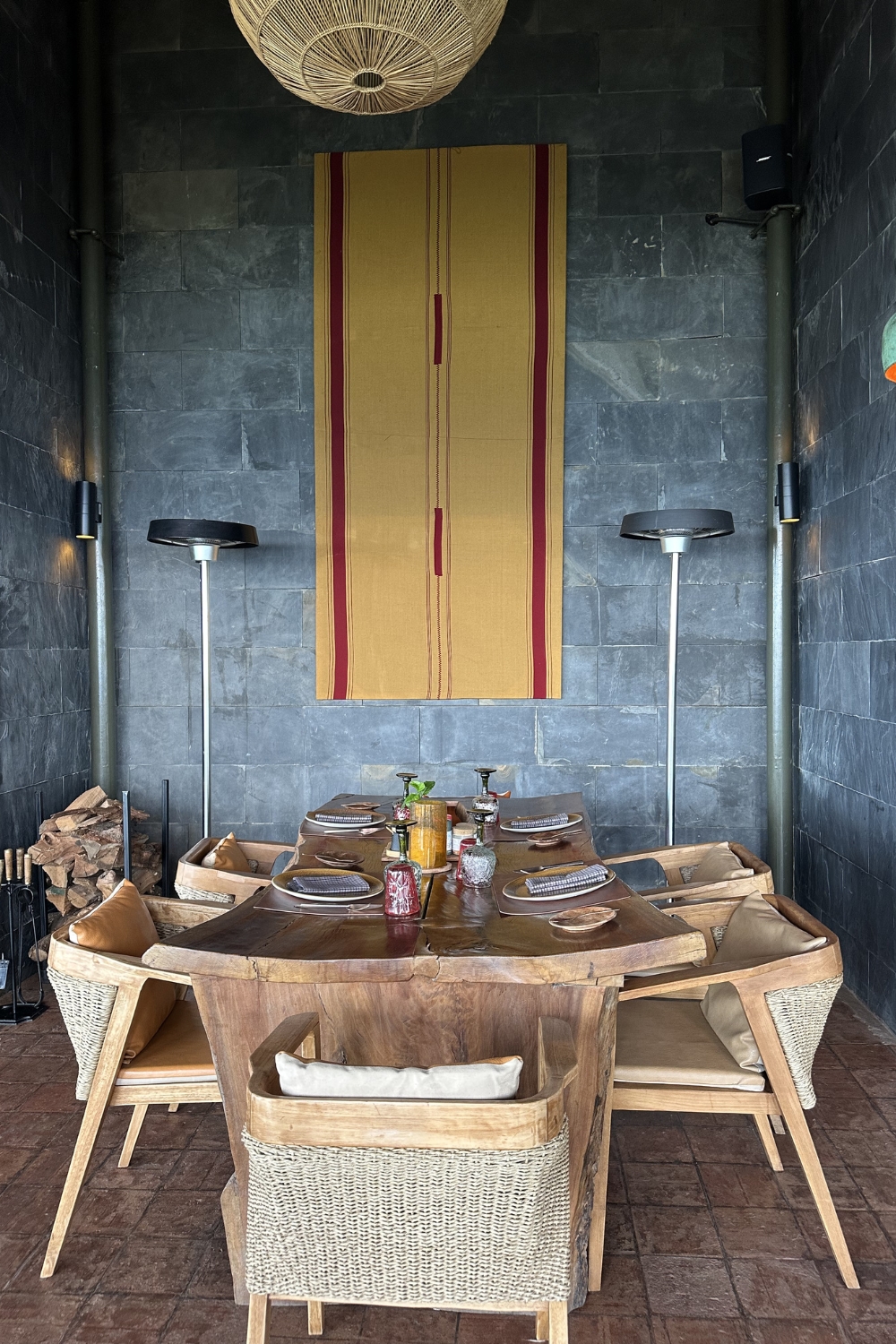
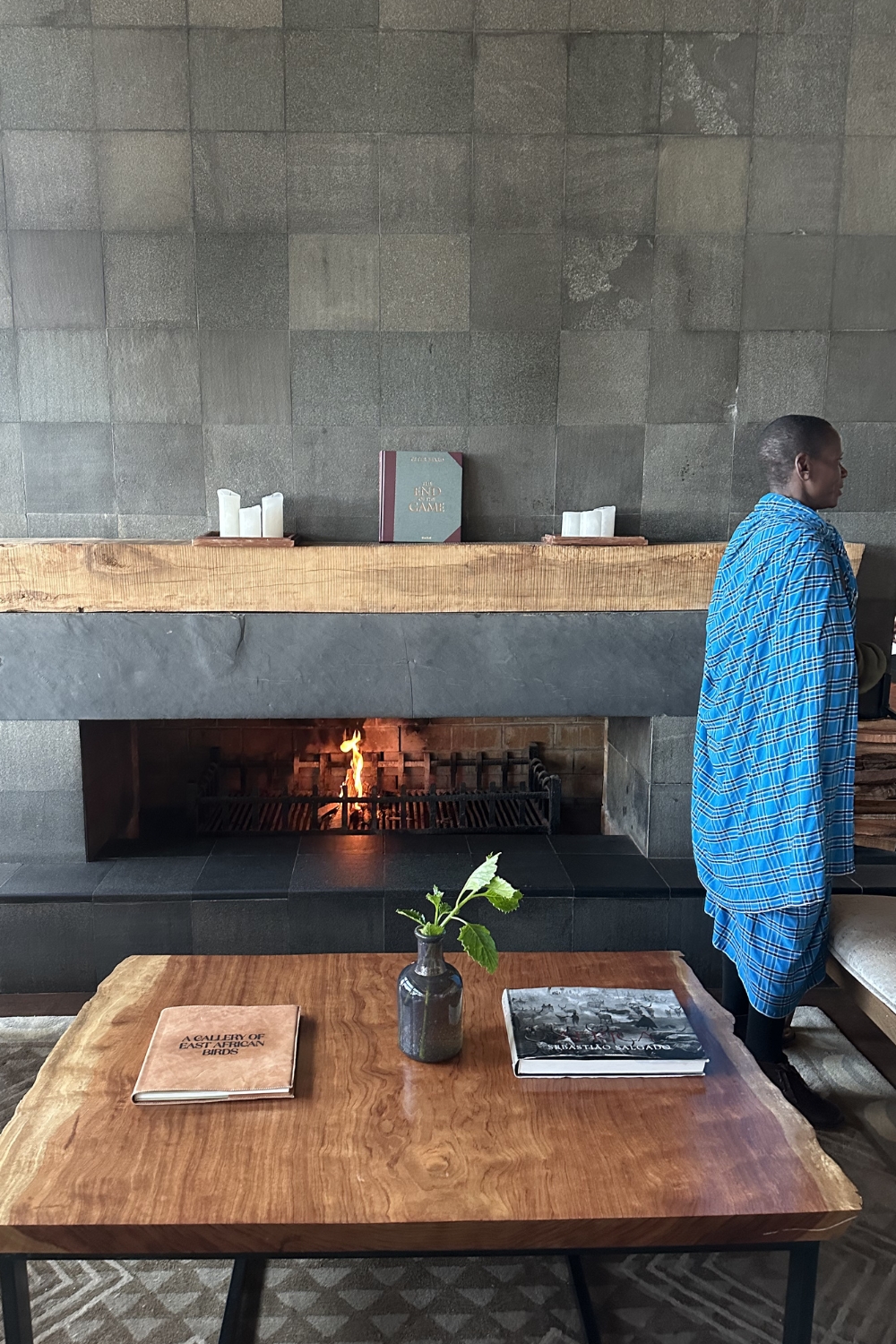
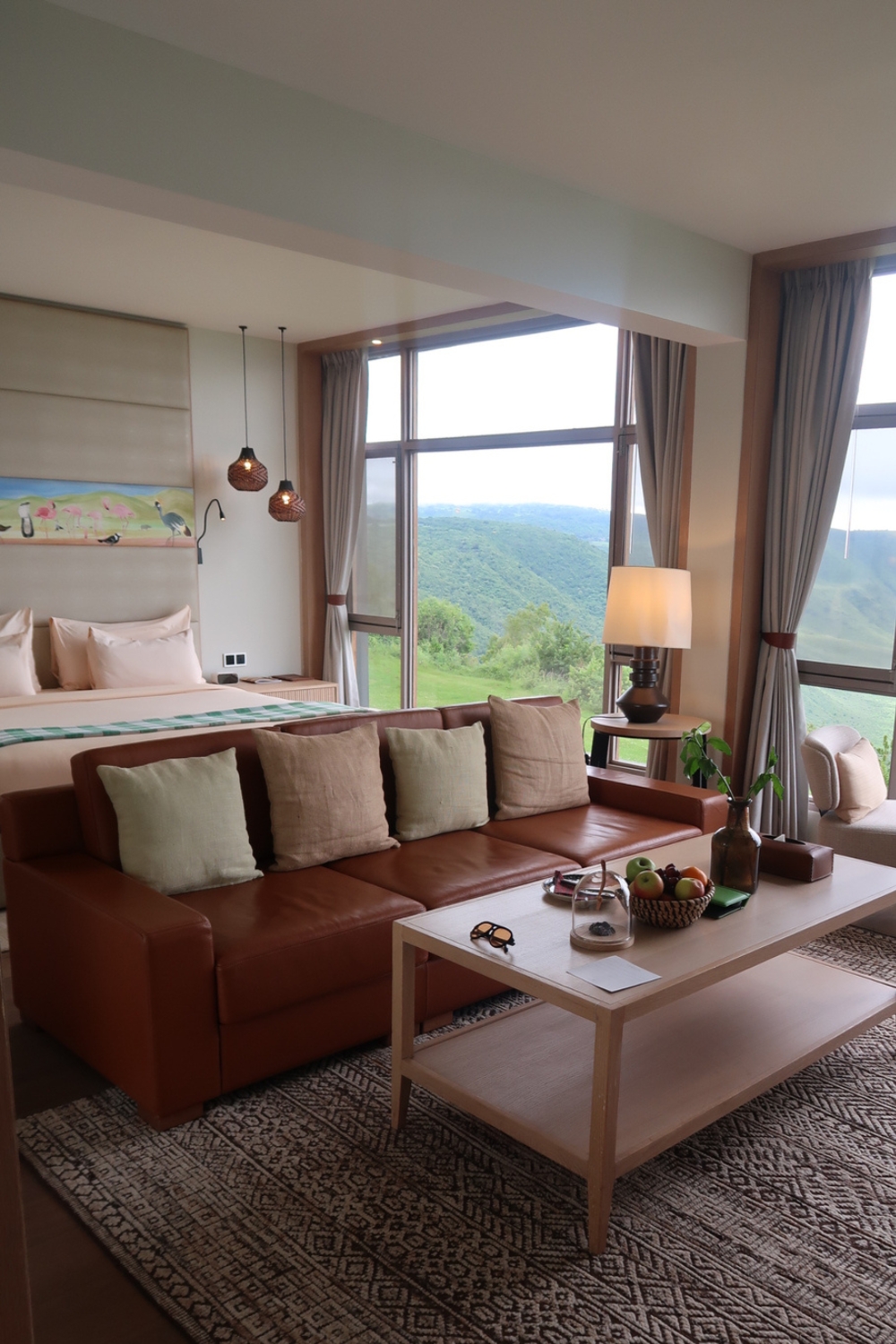
Our next stop was Ngorongoro Crater, the world's largest intact volcanic caldera and a UNESCO World Heritage Site home to around 25,000 animals, including the Big Five. Perched on the edge of the ancient crater, Ngorongoro Lodge Meliá Collection reopened in 2023 following an extensive renovation that has integrated the sprawling, open-plan property with both the landscape and Maasai culture. Inspired by local traditions, the lodge blends earthy textures, traditional patterns and artwork from Sanaa with expansive windows that pull your attention to the caldera below.
Built in 1969, Ngorongoro Lodge was the first permanent lodge on the crater rim. More than half a century later, it remains one of only a handful in the conservation area, its unrivalled position making even its design-led interiors feel secondary.
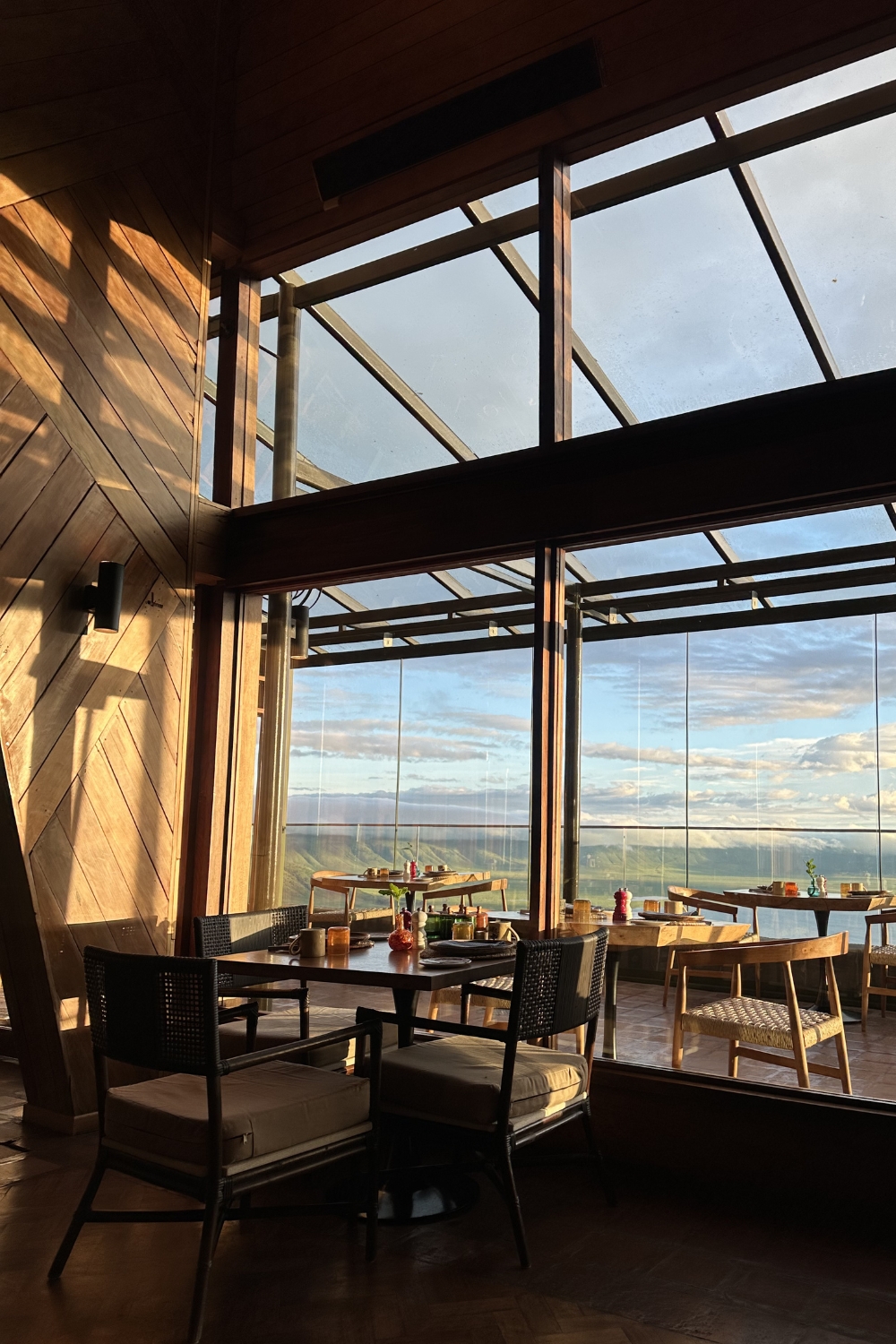
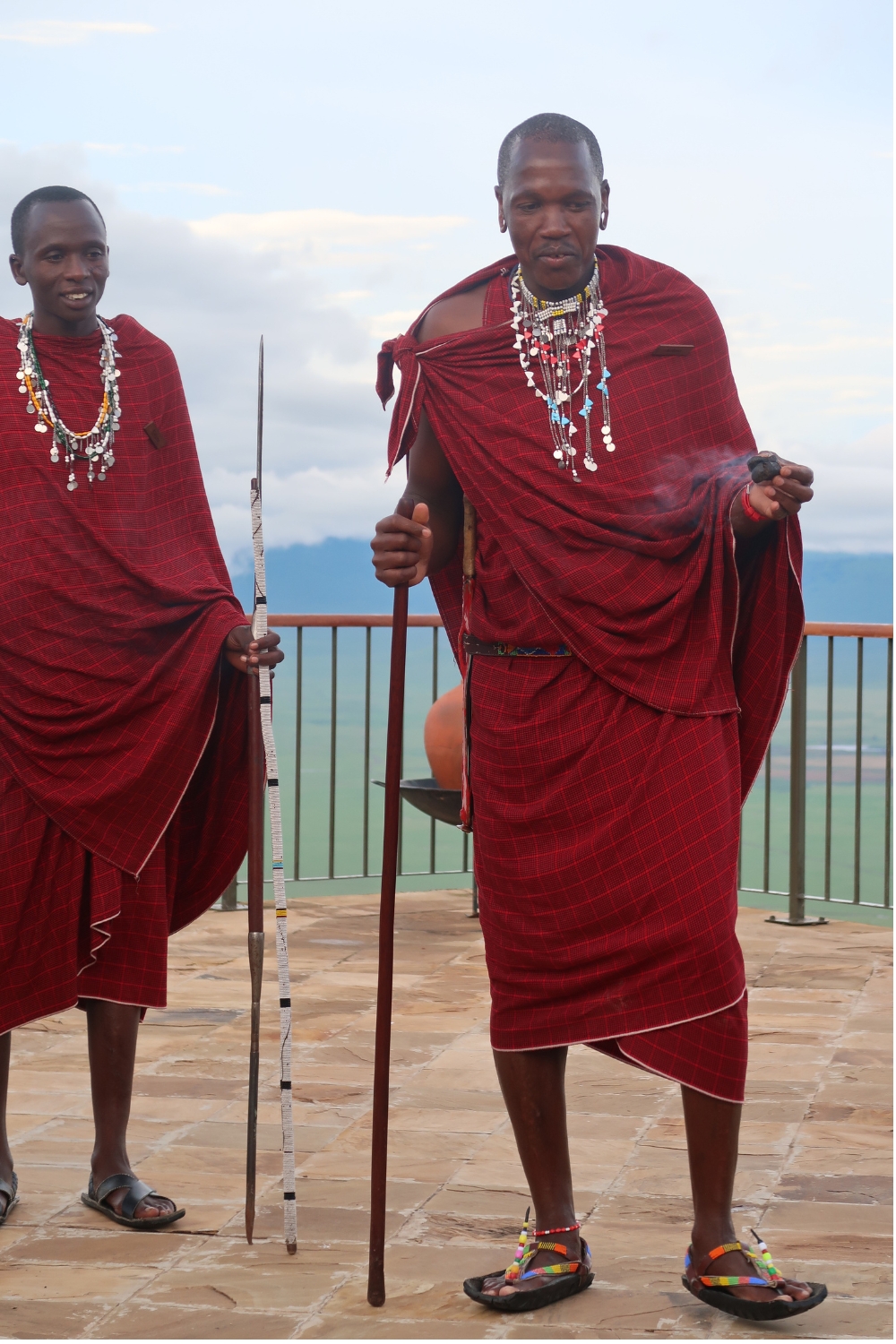
The crater itself changes by the minute as light shifts across the floor and clouds roll in and out. On our first evening, we watched local Maasai leaders stop mid-performance and simultaneously crane their necks towards the caldera.
"Wildebeest," they whispered. "How on earth do they know?" we wondered. A fellow guest pulled out a pair of binoculars and... nothing. The binoculars were passed around to no avail until one of the Maasai men, playfully despairing of us, directed our eyes towards a clearing beside the softly shimmering water far, far below. Even with binoculars, we could barely make out the animals, yet every Maasai man had heard them.
Later, back in my room, staring out over the crater, I found myself unexpectedly teary. Sure, the cynic in me could've put it down to the generous pours of South African red I'd enjoyed over a long dinner built around local ingredients—smoked fish, grilled meats and dishes that fused African flavours with Mediterranean influences—served against a backdrop of crater views. But beyond the jubilations of the staff greeting us in song and the awesomeness of the landscape before me, I suspected something else was at play.
The world seemed both thrown into sharp perspective and a million miles from what I thought I knew it to be. I had the sudden feeling that life here is what it should be—not so much living in a luxury hotel, but living in symbiosis with nature and the other animals we share this planet with. I couldn't shake the feeling that I'd been getting everything so far wrong.
And yet even as I stood in front of one of the most extraordinary landscapes on earth, part of me remained tethered to the life I'd left behind. Perhaps that was the first clue that this trip wasn't just going to teach me how to slow down; it was going to show me how difficult I found it.
The following morning, we descended into the crater itself. What struck me first wasn't just the wildlife, which I'd spent months anticipating, but the scale. Looking down from the rim the night before, the crater had seemed almost abstract, too vast to properly take in. On the ground, however, it was alive with the weight of 2.5 million years of history.
Lions lounged in the grass, post-coital. Our guide explained that during mating season, they'll—to quote Bloodhound Gang—"do it like they do on the Discovery Channel" every 15 to 20 minutes, 24 hours a day. We stayed for a few performances, but once the claim had been confirmed, we began to feel oddly predatory. It’s an uneasy contradiction when an apex predator seems to occupy the moral high ground, so on we drove.
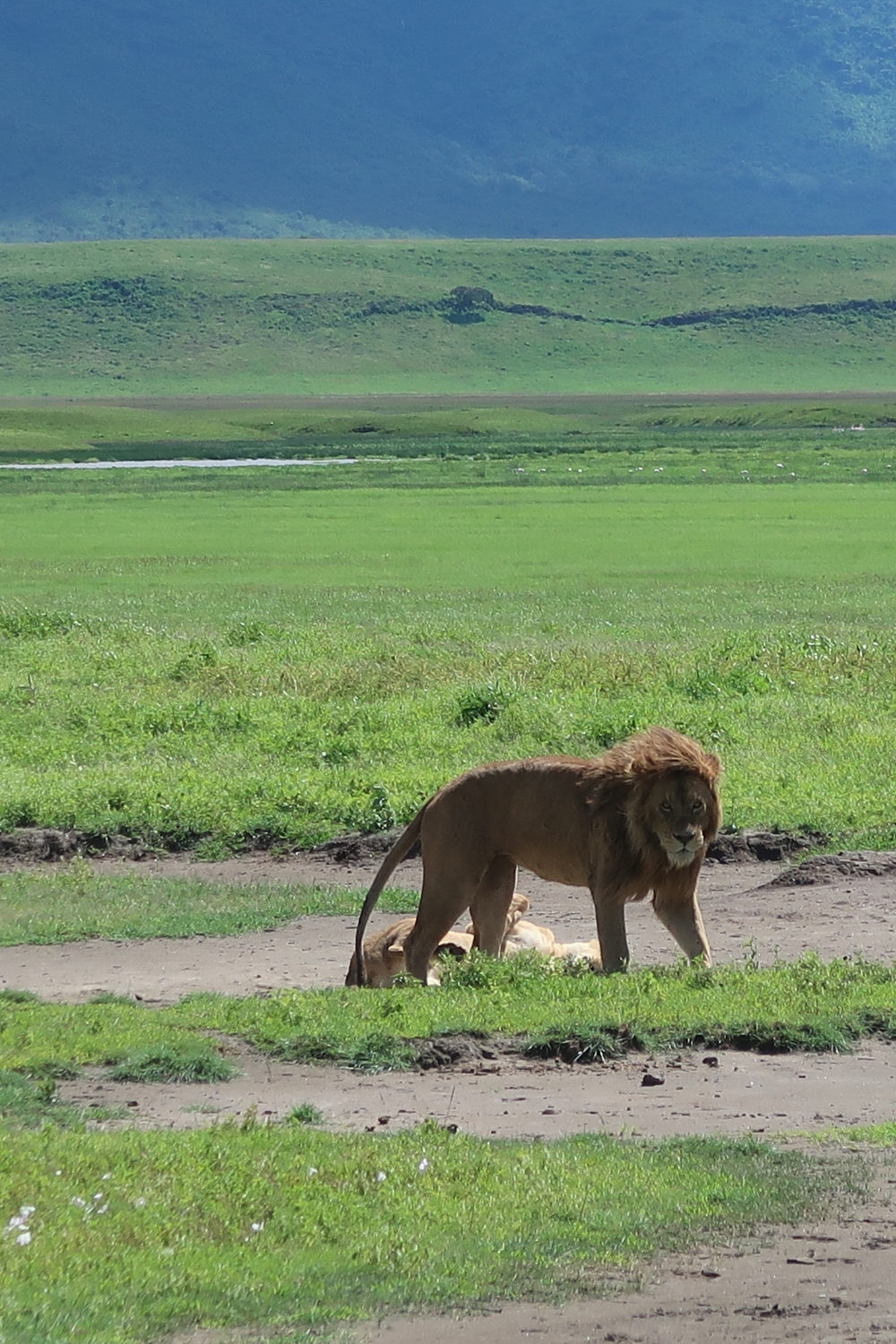
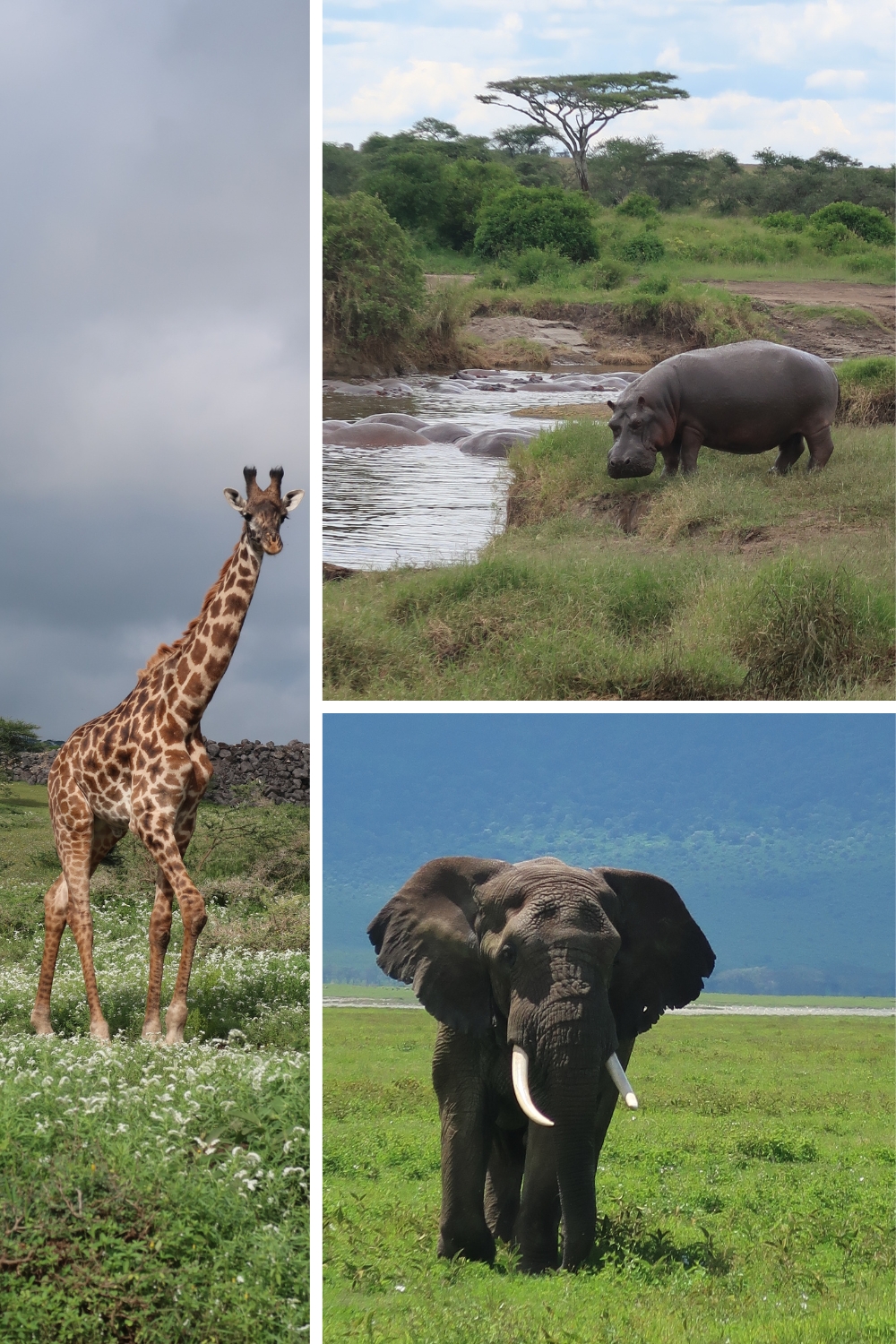
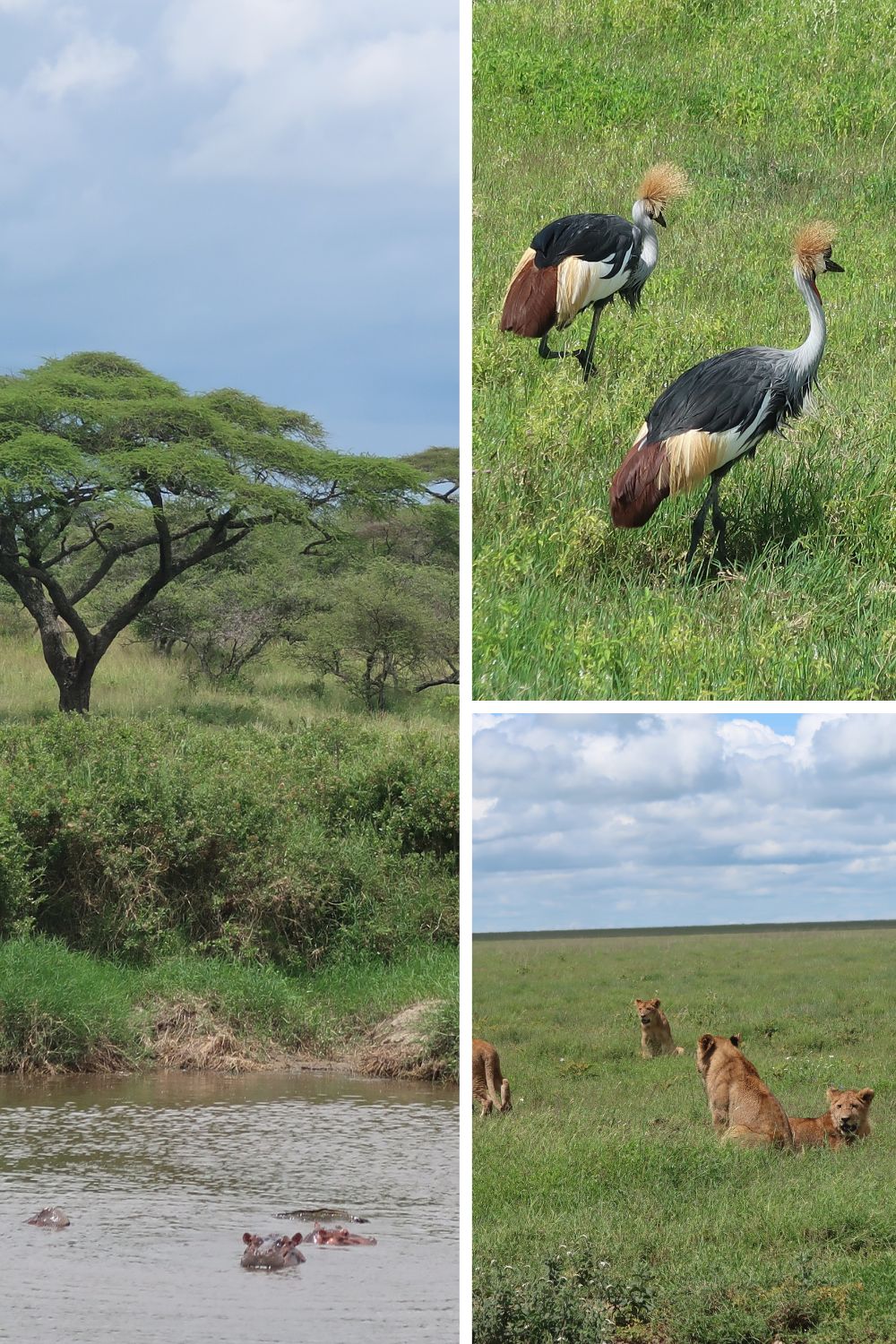
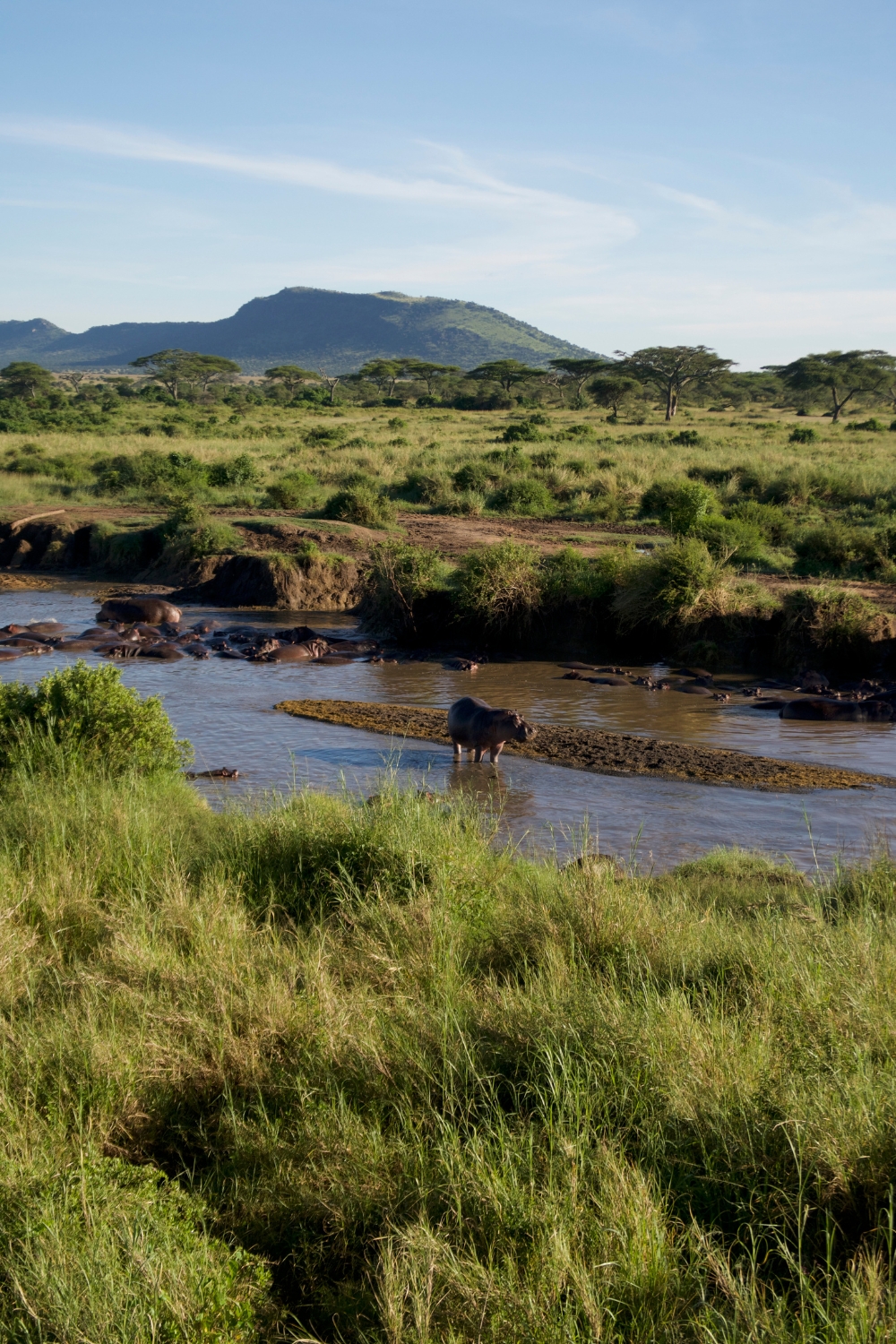
Elsewhere in the crater, hippos surfaced briefly before disappearing beneath the water again like shiny boulders we'd easily have missed were it not for our eagle-eyed guide, Alex. Herds moved slowly across the landscape, and even the migration we were so fortunate to witness didn't seem hurried. Nothing seemed concerned with efficiency; the animals weren't performing for us, and the landscape was indifferent to our presence.
The wild operated entirely independently of our expectations; there was no app to track a leopard sighting, no shortcuts. Back home, waiting is something to be eliminated. Here, it was the experience.
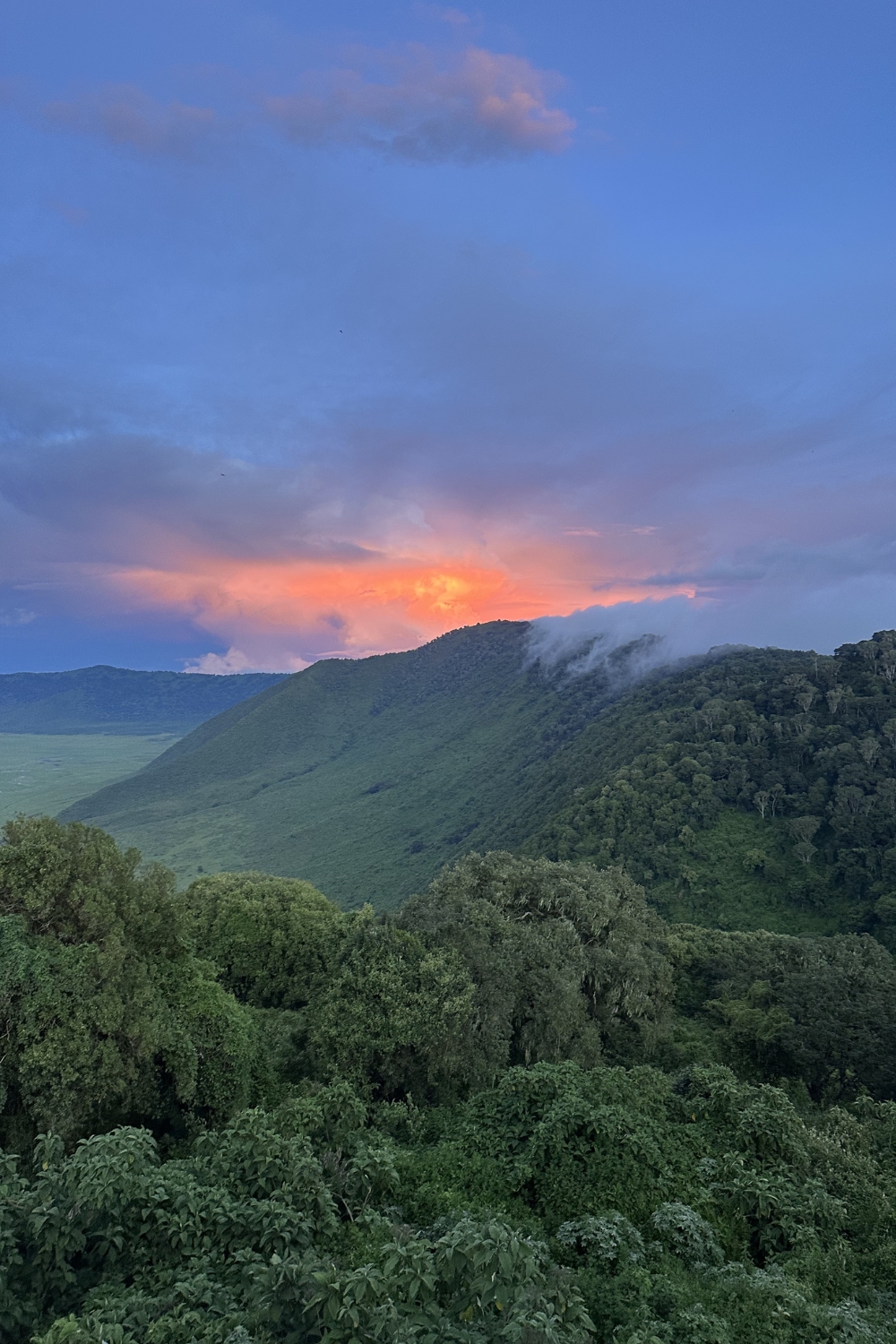
The lesson seemed baked into life at Ngorongoro Lodge itself. Having finally been reunited with our luggage, we were due to head for dinner when a member of staff suggested we delay it. The weather forecast had predicted clouds, but there was a chance the sunset might be worth sticking around for. So we waited.
When we returned to the rooftop, a crescent moon of chairs had been laid out facing the crater. Apricot gave way to orange; orange deepened into a moody shade of pink. Then, just when it seemed the sunset was over, the clouds cracked open like a hard-boiled egg, hairline fractures spreading across the horizon as lightning flickered through the distance. Not for the first time, as a storm rolled across the crater, I found myself thinking how Lion King-like it all felt.
The feeling followed me into the Serengeti. Built into the naturally terraced slopes of the Nyamuma Hills, Meliá Serengeti Lodge seems to follow the contours of the landscape; rooms spill out towards sweeping views of the savannah, while neutral colours, natural materials and Maasai-inspired details (again, by Sanaa) ensure attention remains firmly fixed on the plains beyond.
I’d wake before sunrise with every intention of sorting through yesterday’s photos, driven by a familiar urge to document and distil the experience before it had even finished unfolding, only to find myself distracted by the view instead. From the balcony, the Serengeti looked different every morning as light shifted across the grasslands. The landscape was never static, yet nothing about it felt rushed.
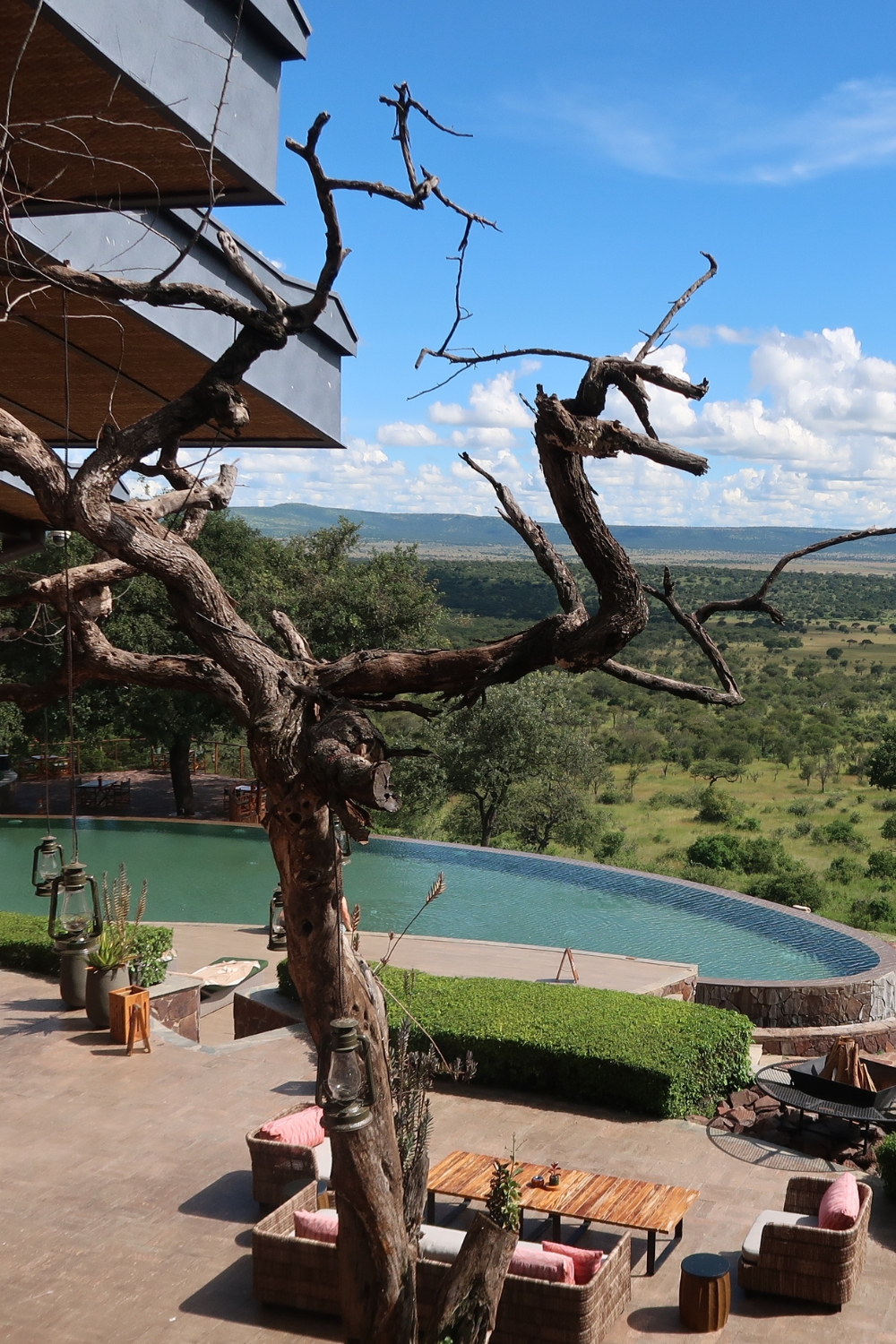
The lodge seemed to operate according to the same rhythm. Time was measured not by meetings or notifications but by game drives, meals (oh, how there were meals) and whatever wildlife happened to wander into view. Local Maasai guides patrol the grounds and escort guests back to their rooms each night.
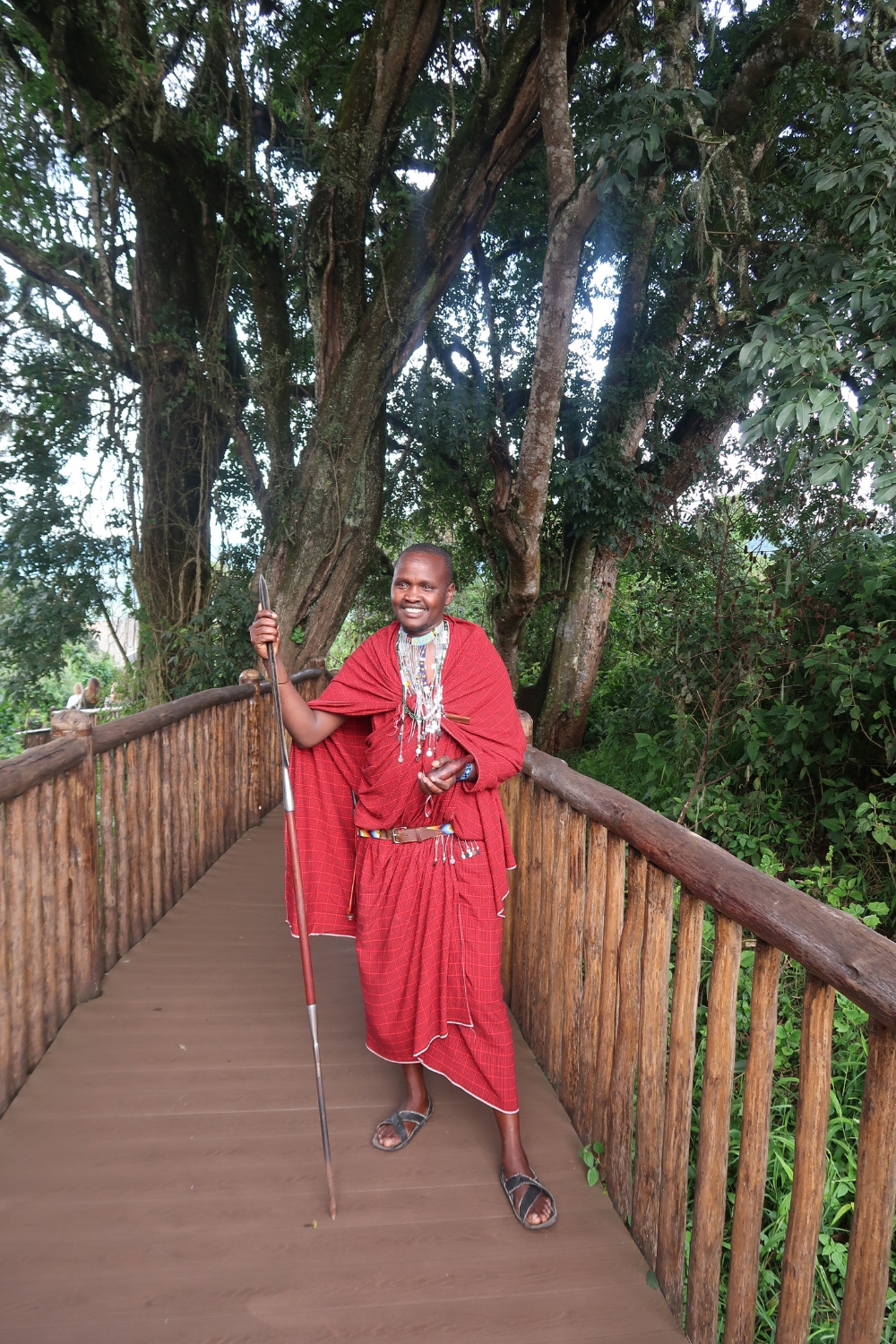
It was on one of these walks that I learnt that a few nights ago, a leopard was headed for reception when Mompati intercepted it. "They see this red," he said, pointing to the traditional shuka he wore. "They run." I was glad to have Mompati’s company, his spear never far from his side. After dark, the lodge sounded different. Hyenas whooped somewhere beyond the floodlit paths while insects provided a relentless soundtrack.
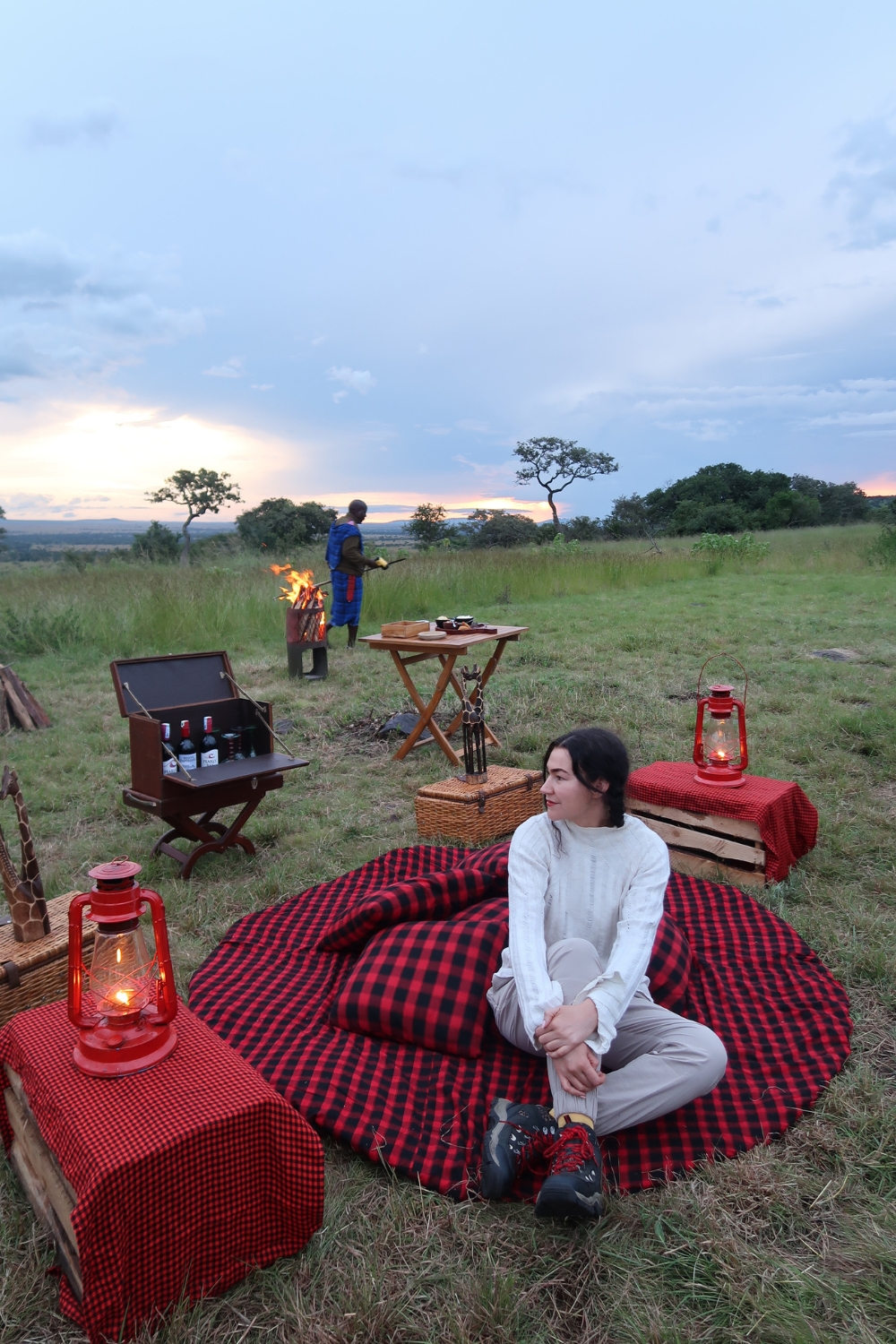
On our first game drive, the landscape at first glance appeared empty. We'd drive through vast grasslands beneath enormous skies while Alex scanned the horizon with almost supernatural focus. Then someone would point towards what appeared to be absolutely nothing. We'd squint, pull out the ever-ready binoculars and still see nothing. Until slowly, a tuft of grass would move just so and, impossibly, an entire cheetah would emerge from the landscape.
The Serengeti is never empty; I simply hadn't learned how to see it yet.
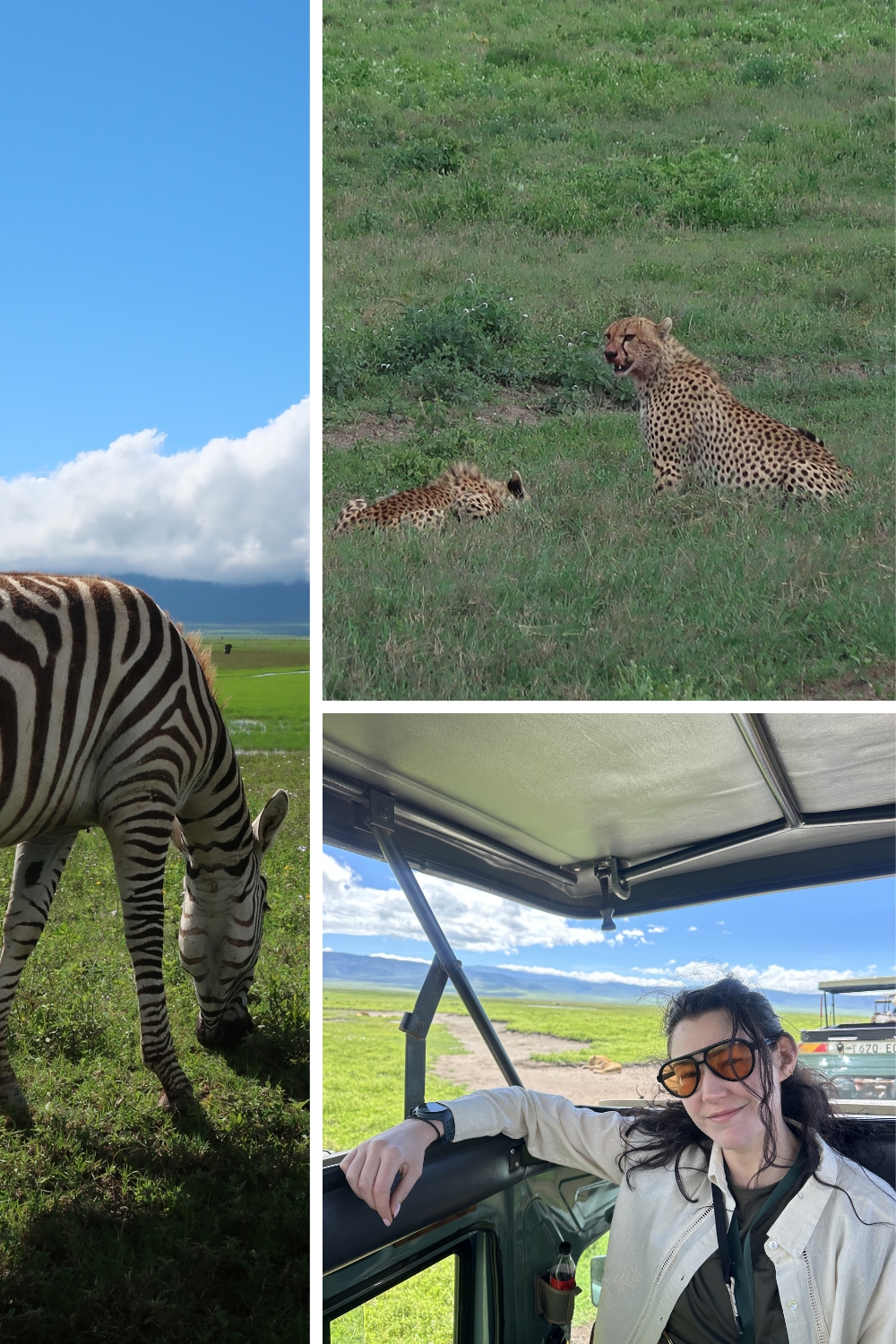
If modern life rewards scanning, then safari life rewards attention—and patience. The more time I spent looking, the more I noticed. Birds circling overhead, vultures gathering in the distance, grimly devouring a fallen wildebeest. Tiny movements in long grass; clues that something was about to happen. The wild refused to perform on demand, and in an age of instant gratification, that's what made it feel all the more precious.
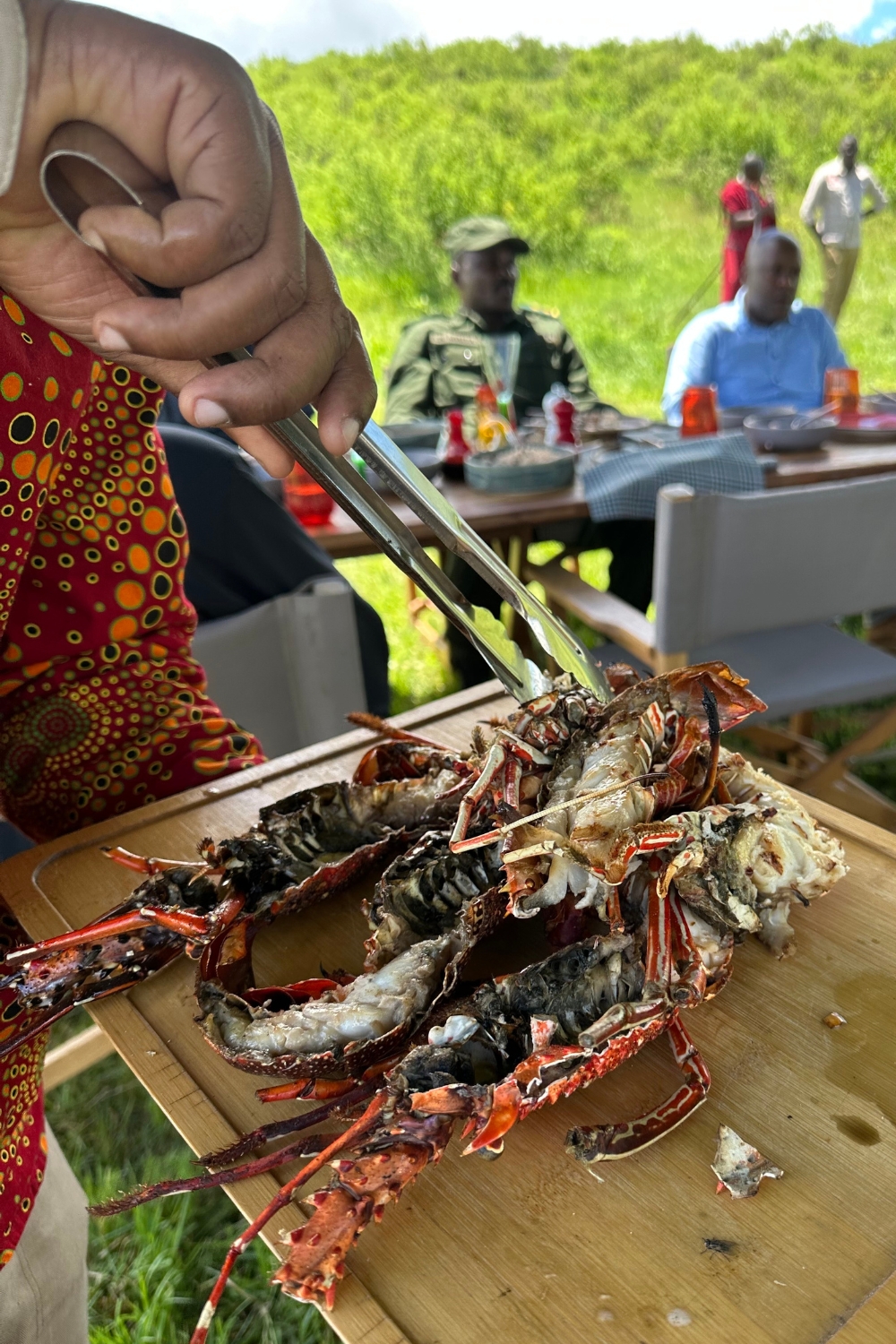
Even conversations had slowed. Tucking into grilled lobster, served family-style beneath a smattering of stars in the bush after an especially memorable walking safari, entire discussions were dedicated to what we'd spotted that day and which animal each of us had found most enchanting.
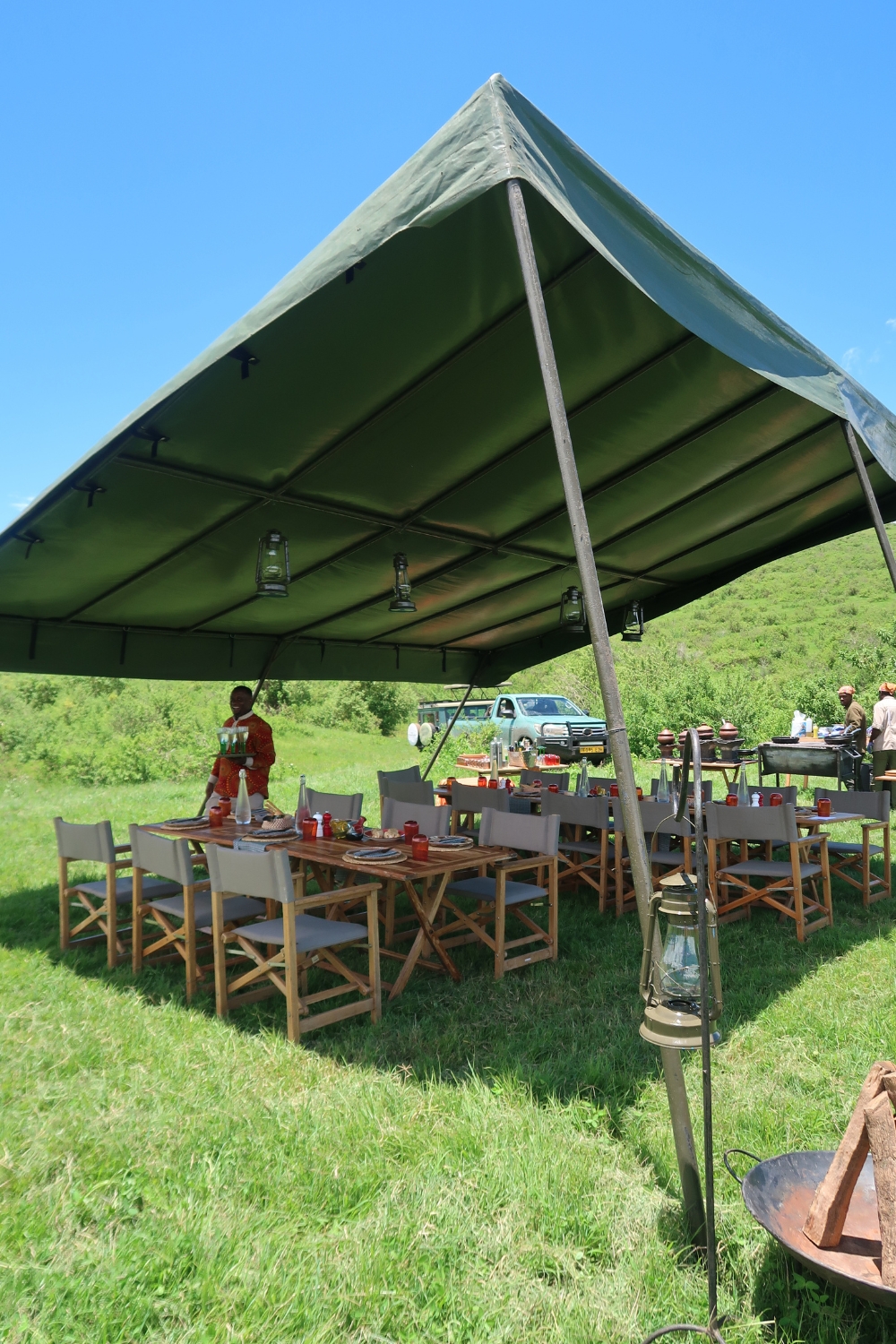
It was hard to choose just one. That, too, forced us to slow down, to revisit days organised around game drives and meals rather than emails and deadlines. Lunch one day was served in the crater, where the hotel's head chef barbecued giant prawns and great hunks of meat while an elephant looked on, totally nonplussed.
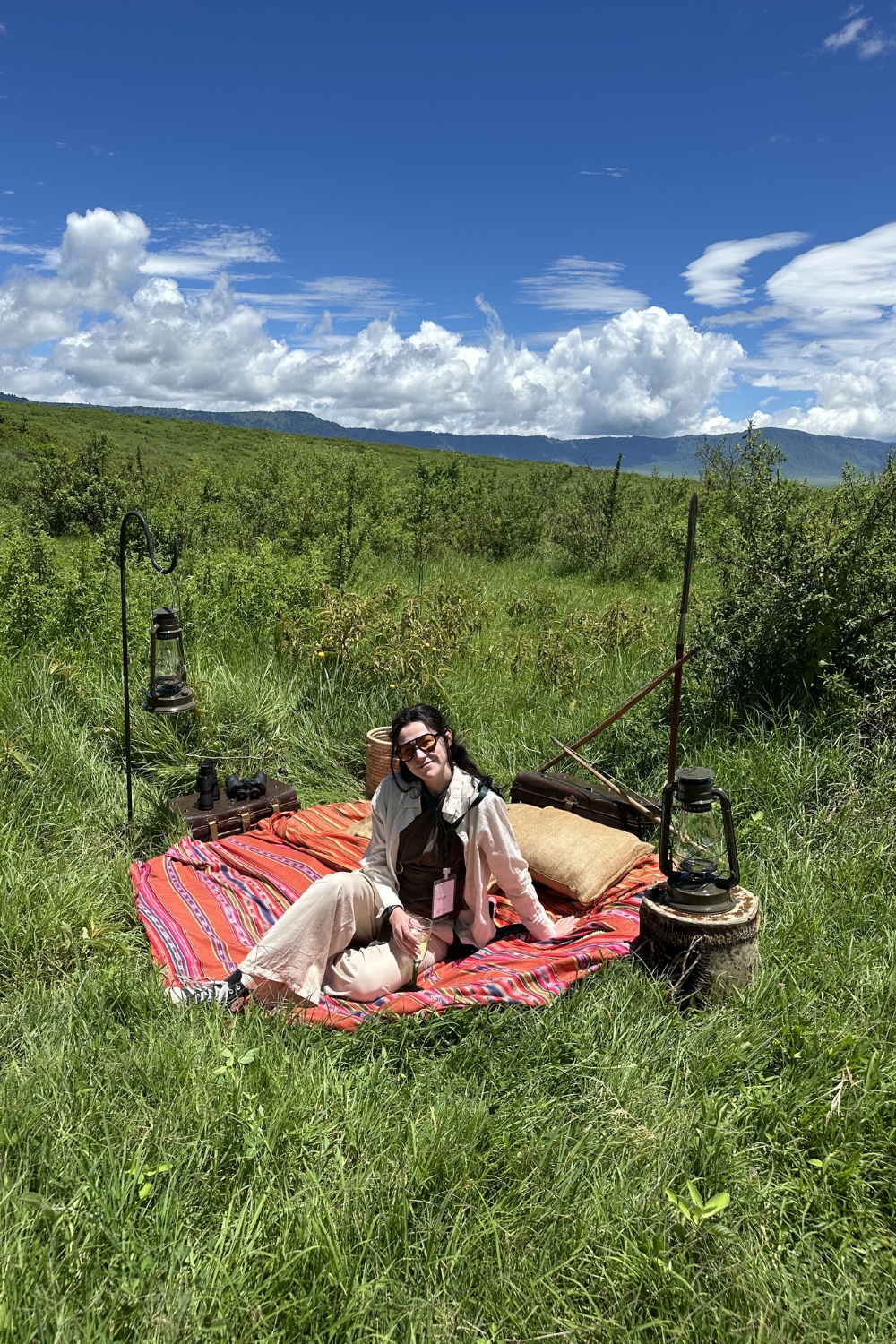
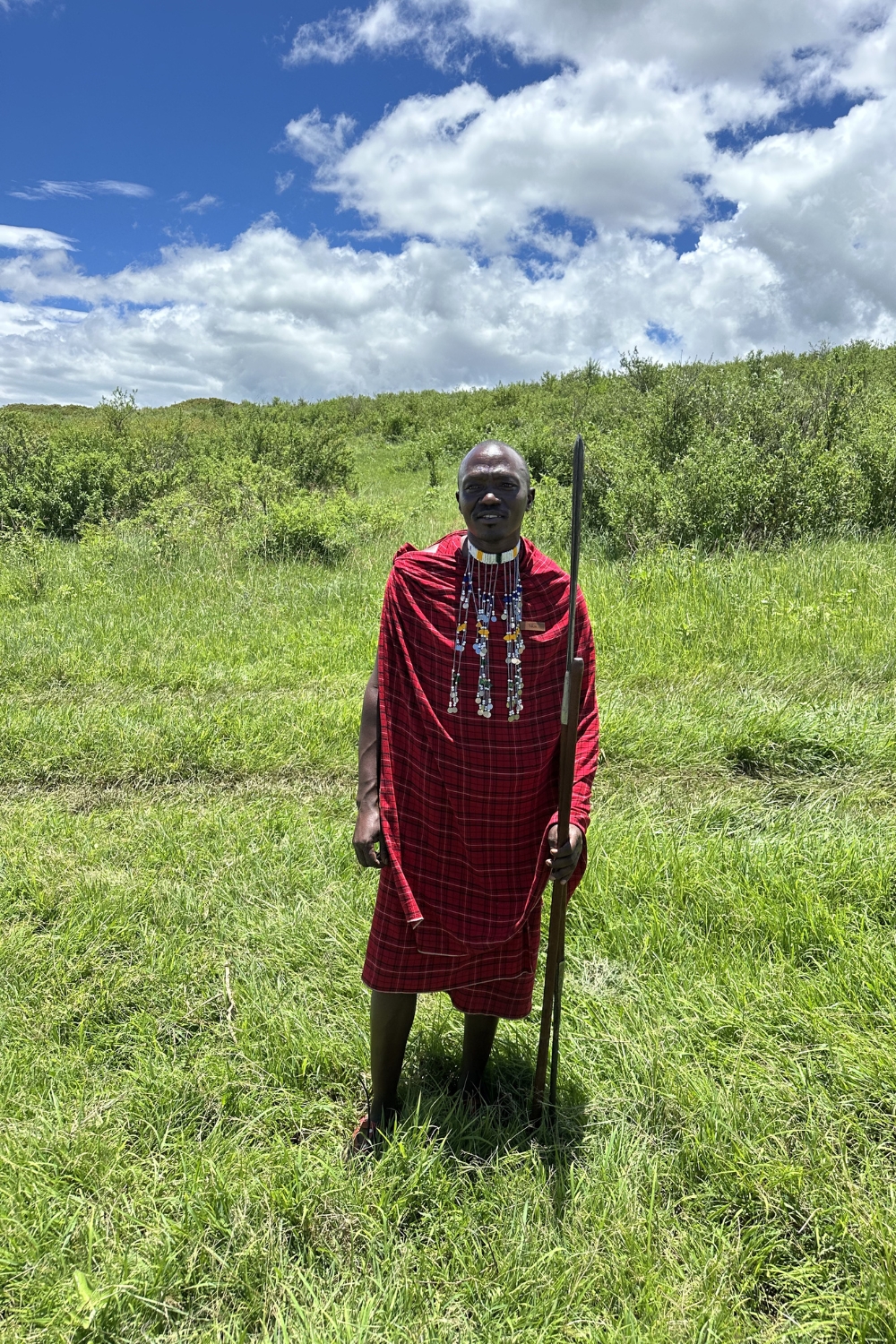
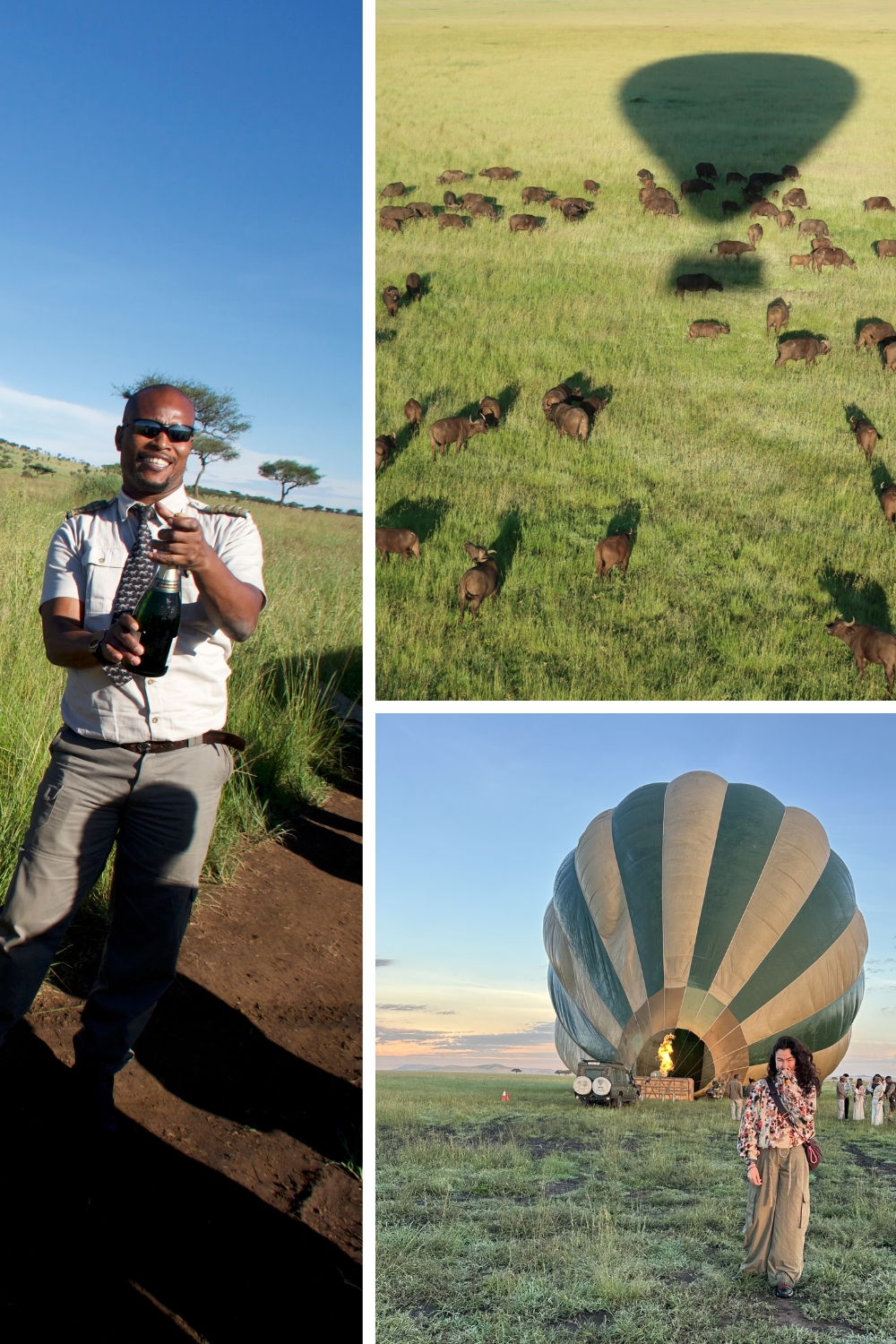
The rhythm of Tanzania seeped into everything. On our penultimate day, long before dawn, we climbed into a hot-air balloon and rose surprisingly peacefully above the plains.
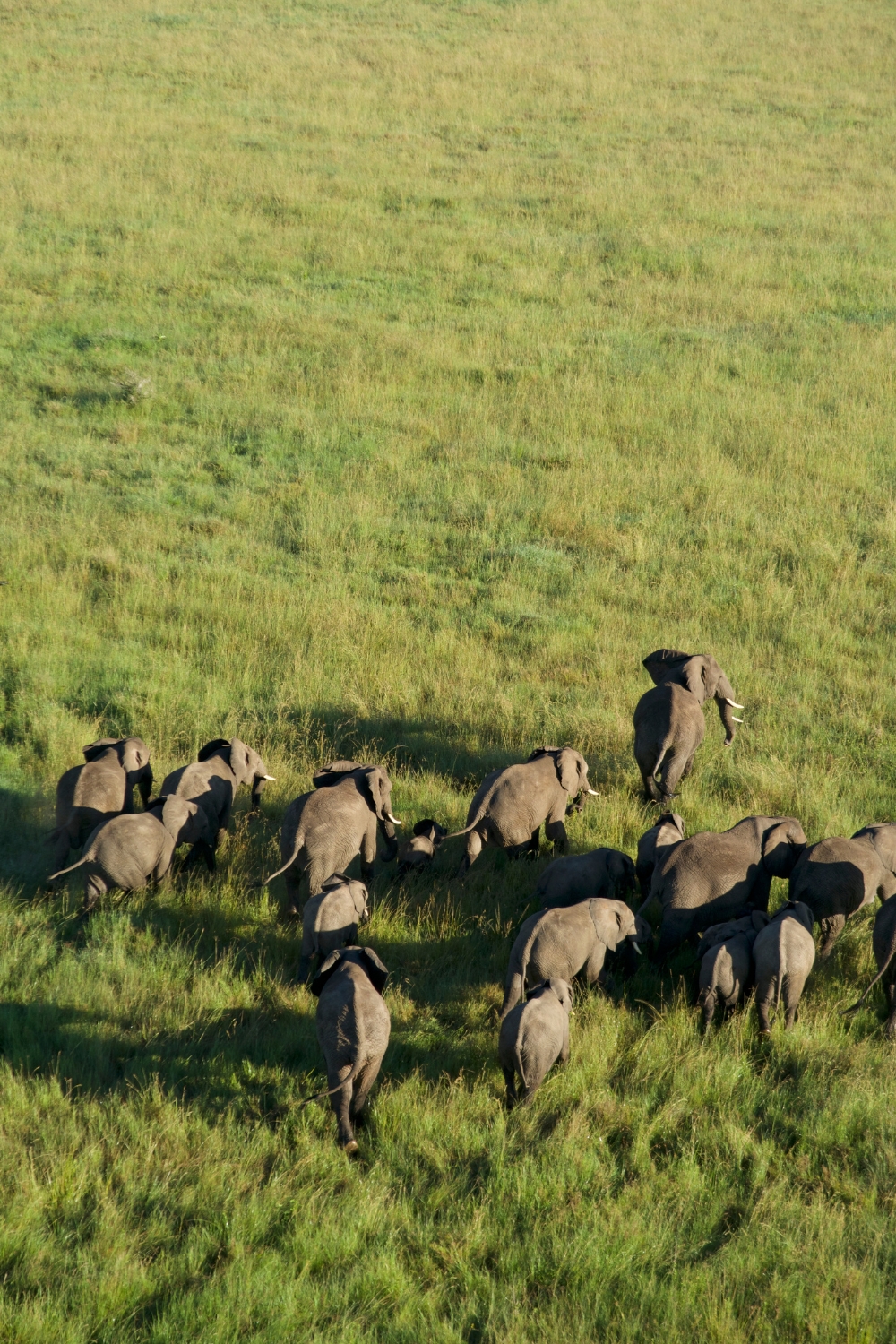
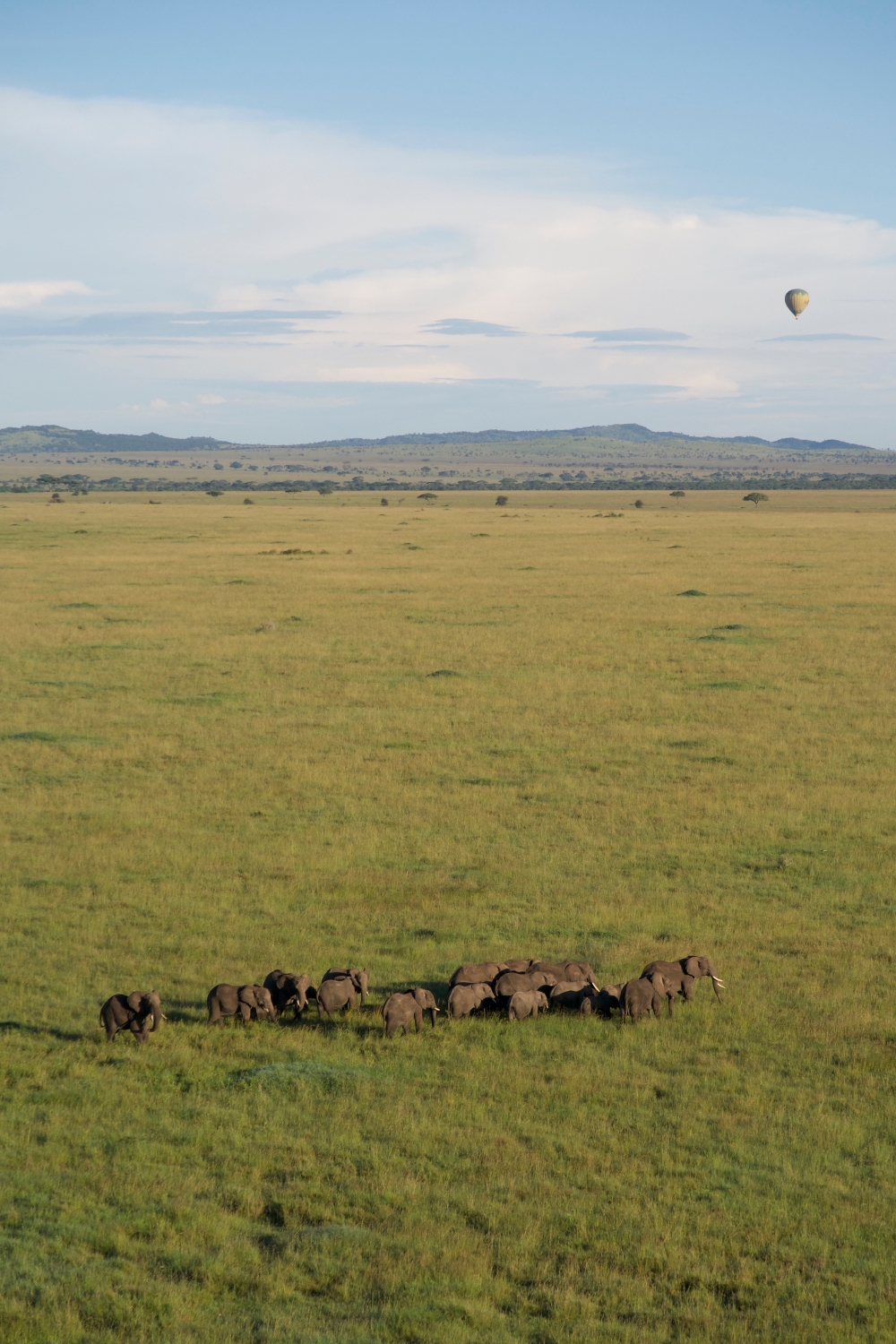
Below us, elephants moved through the grassland, buffalo gathered in vast herds looking like a colony of ants from our vantage point, and that famous horizon stretched endlessly in every direction. And yet even then, a tension emerged: I didn't want to miss anything, but I also didn't want to forget anything.
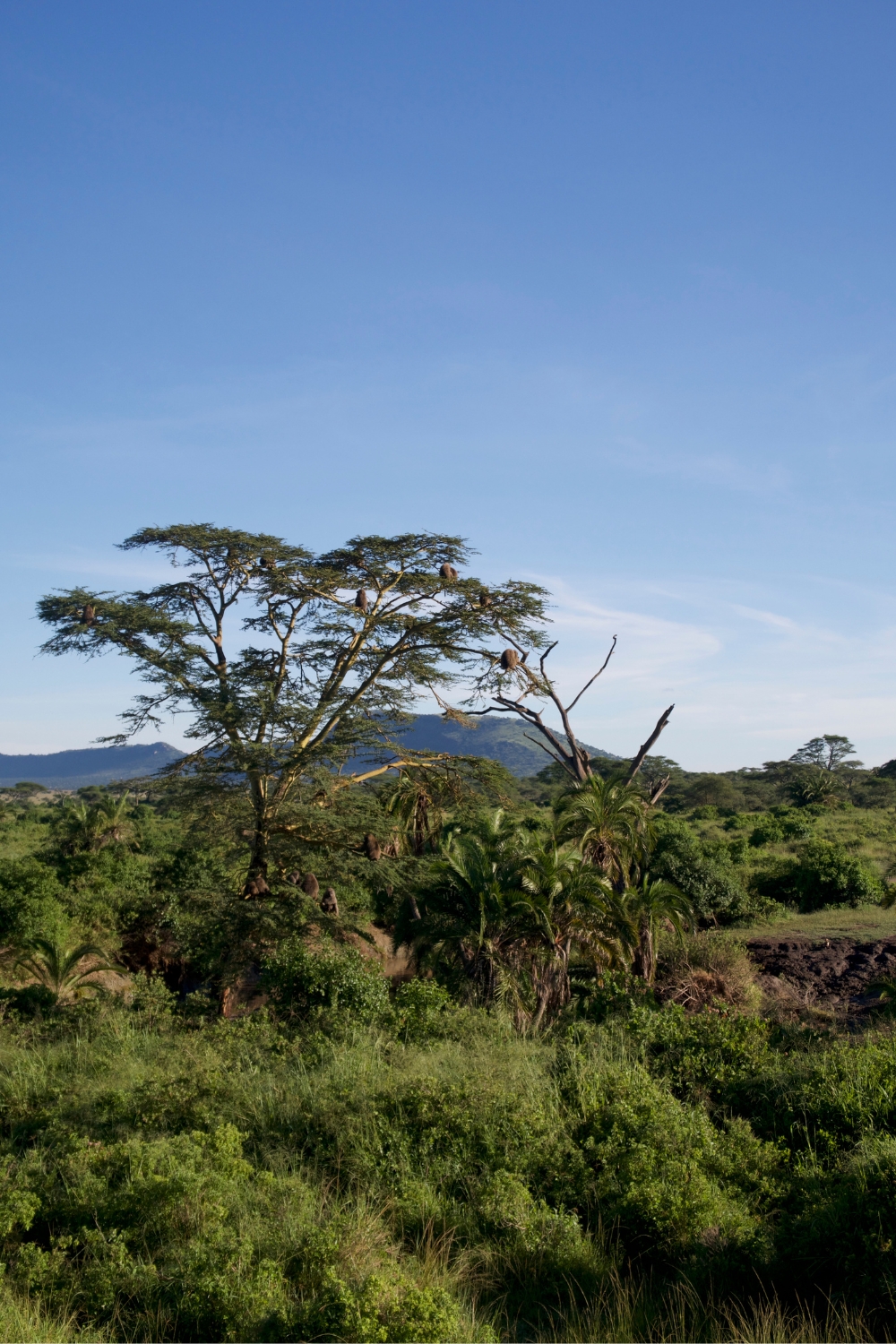
Throughout the trip, I'd found myself caught between experiencing and recording. I photographed animals, filmed the sky as it splintered with lightning, and filled pages of notebooks each morning before sunrise to the sound of cicadas and the smell of African sage.
I wanted to preserve every detail, but I also kept returning to the same question: would the experience be richer without a camera between me and the moment? I still don't know.
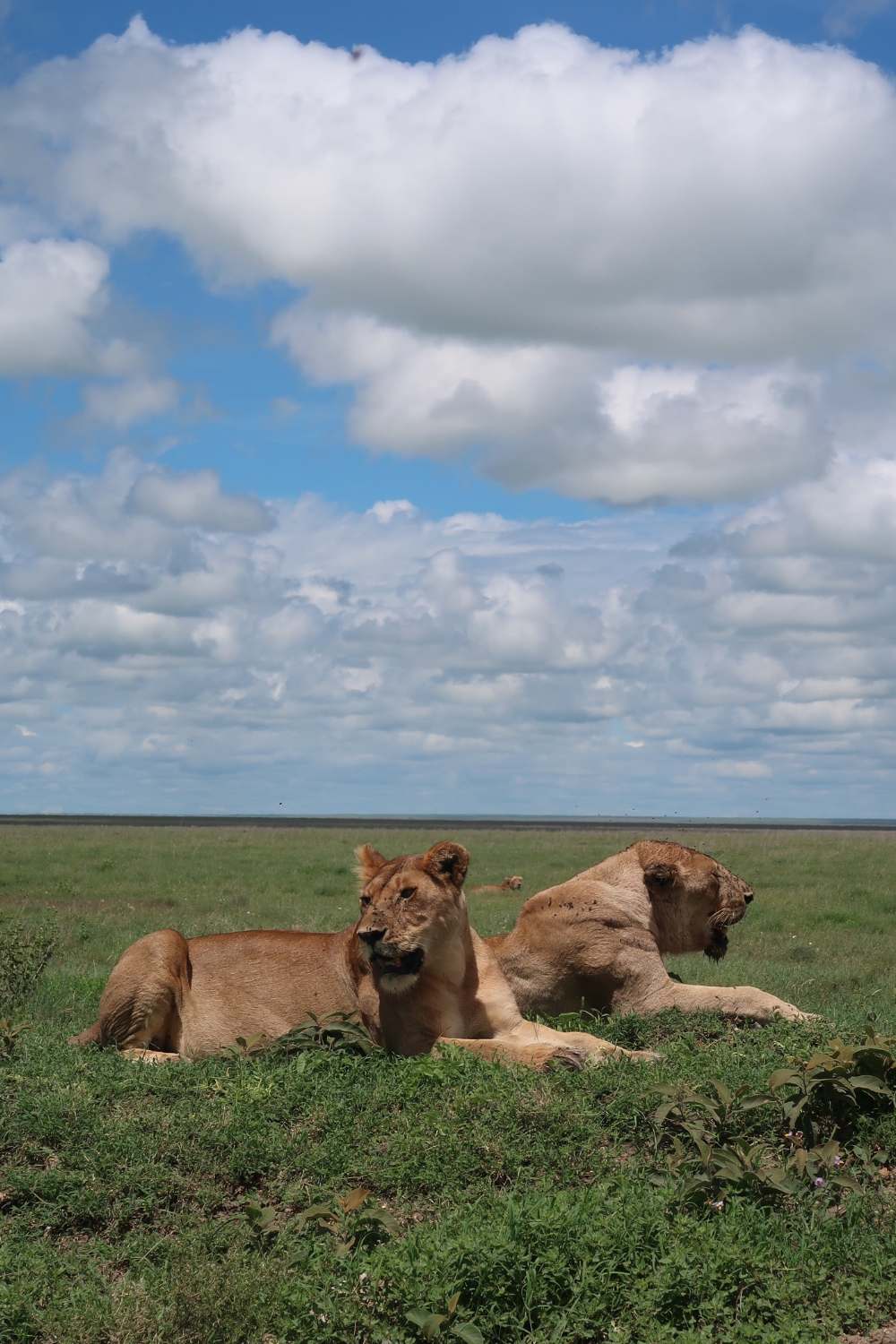
Today, I am grateful to have the photos and videos, but they pale in comparison to how it felt to be there, turning a corner to see a pride of lionesses, one lazily flopping into the shade cast by our jeep, offering a closeness I hadn't dared imagine was possible.
One afternoon, we watched a lone buffalo wallowing in a muddy pool while a warthog repeatedly attempted—and failed—to approach. The buffalo clearly wasn't in a rush. Why should he be?
The warthog would have to wait—it's simply part of life in the wild.






0 Commentaires